

Roof damage documentation specialists
Insurance carriers pay us to inspect roofs for them, so we know what they look for.
 GAF Certified Plus™
 CertainTeed ShingleMaster Premier
 CertainTeed SolarMaster Premier
 CertainTeed SidingMaster Premier
 CertainTeed Low-Slope Roofing Master
 CertainTeed Liquid-Applied Roofing Master
What is an act of God?
Act of God is a common way to describe damage from nature that nobody could stop, like hail, a windstorm or lightning. Most homeowners policies do not use the phrase. They list what is covered and what is excluded, and storm damage is usually covered while wear and tear is not.
-
Usually counts
- Hail
- Wind that lifts or tears off shingles
- Lightning
- A tree that comes down in a storm
-
Usually does not
- A roof that simply got old
- Normal wear and tear
- Damage from a repair that never got made
-
Often needs its own coverage
- Flood
- Earthquake
- Ask your agent whether your policy includes them
Every policy is different. Your policy and your carrier decide what is covered. This is general information, not insurance or legal advice, so check your own policy or ask your agent.
“Keaton and team were absolutely amazing. They worked directly with my insurance to insure understanding of what was needed. They stayed in touch with the insurance and myself regularly. I felt like this was a partnership.”
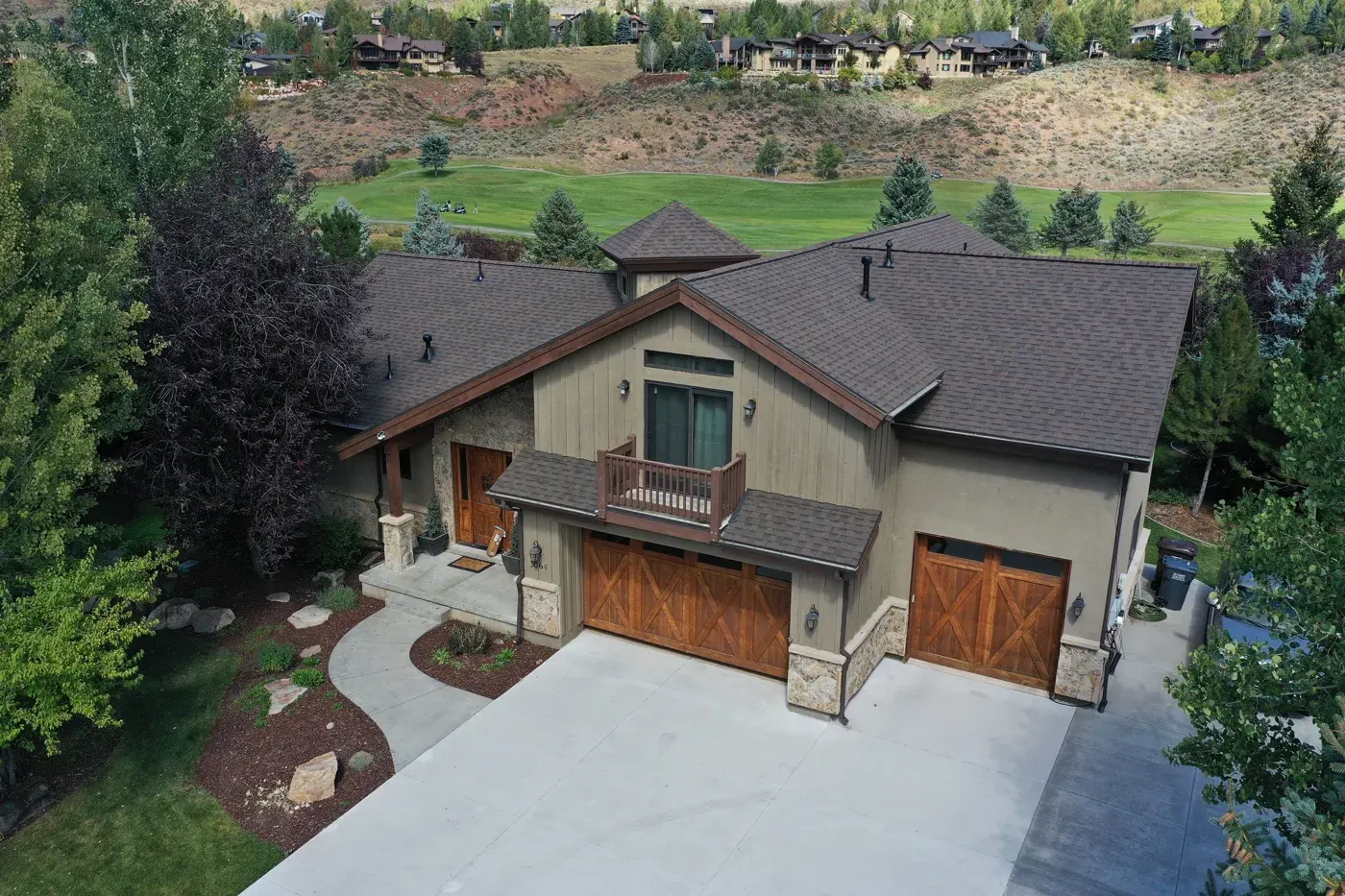
“Great team! Walked me through the process, worked with my insurance, kept me updated along the way. Roof looks great!”
“Great teamwork and super support especially on the insurance side of the project. Great communication throughout the process and job.”
“Best roofer I’ve ever used. Very responsive and reactive. Cleaned everything up before leaving. They made writing the check very easy!! Brando was amazing.”
“Definitive Roofing did a fantastic job on my roof! From the very beginning they made the entire process incredibly easy and stress free. They took the time to explain everything clearly and provided photos throughout the process.”
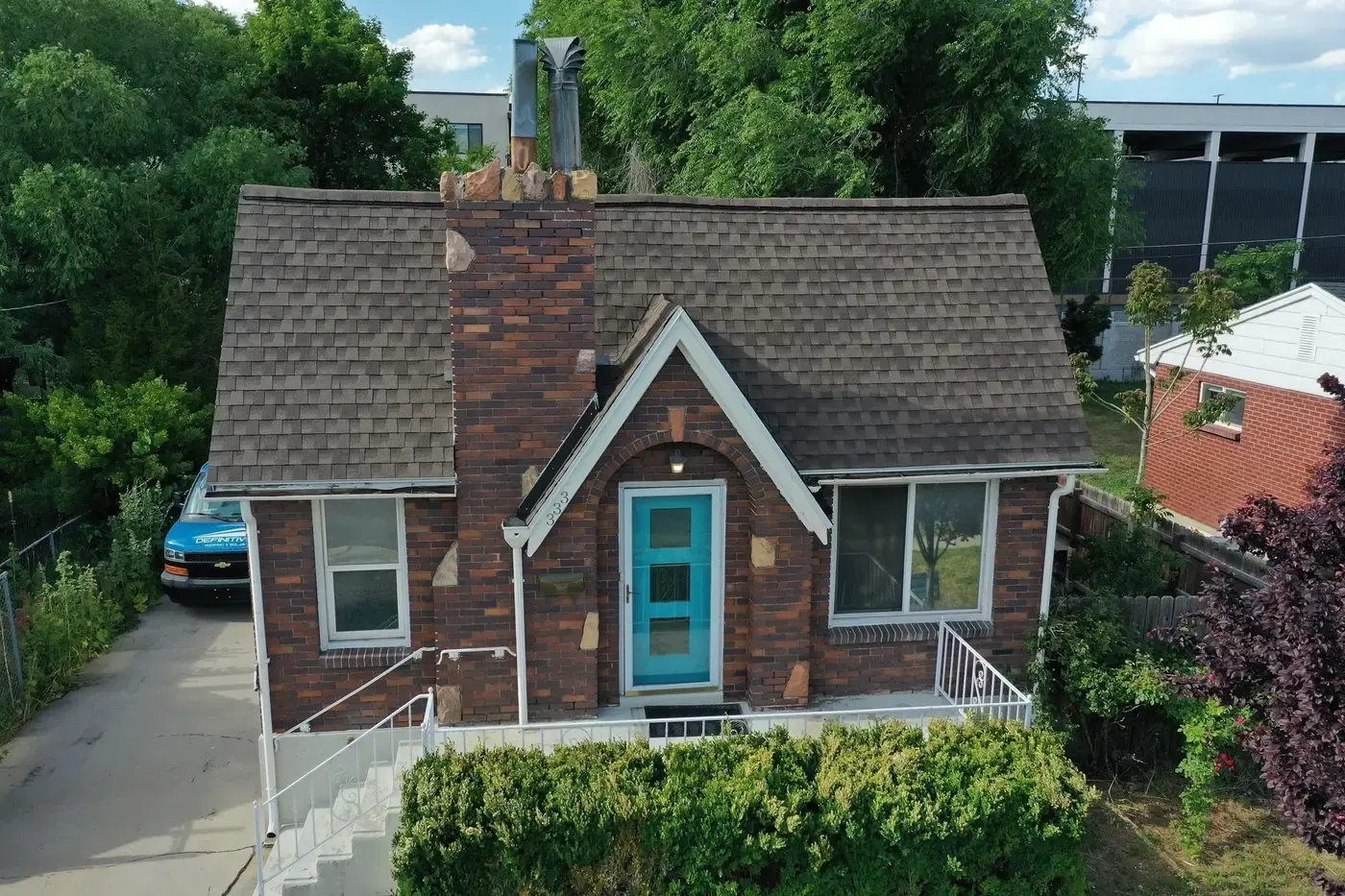
“Definitive just put a new roof on our house. It was truly 5-star work. The quoting process was solid. The service was exceptional. They did what they said they would do, or they did more.”
“This has to be one of the best contractors I’ve used! My roof is beautiful. They left my yard clean. The workers were very professional and they completed the job 100%.”
“I can’t say enough great things about Definitive! Their communication throughout the entire process is unmatched. I appreciated the extra time they took to make sure all my questions were answered.”
“We had a great experience with Definitive Roofing. Of all the companies we reached out to, they made the most sense financially. They were both clean and efficient. They had our old roof off and a new roof on within two days.”
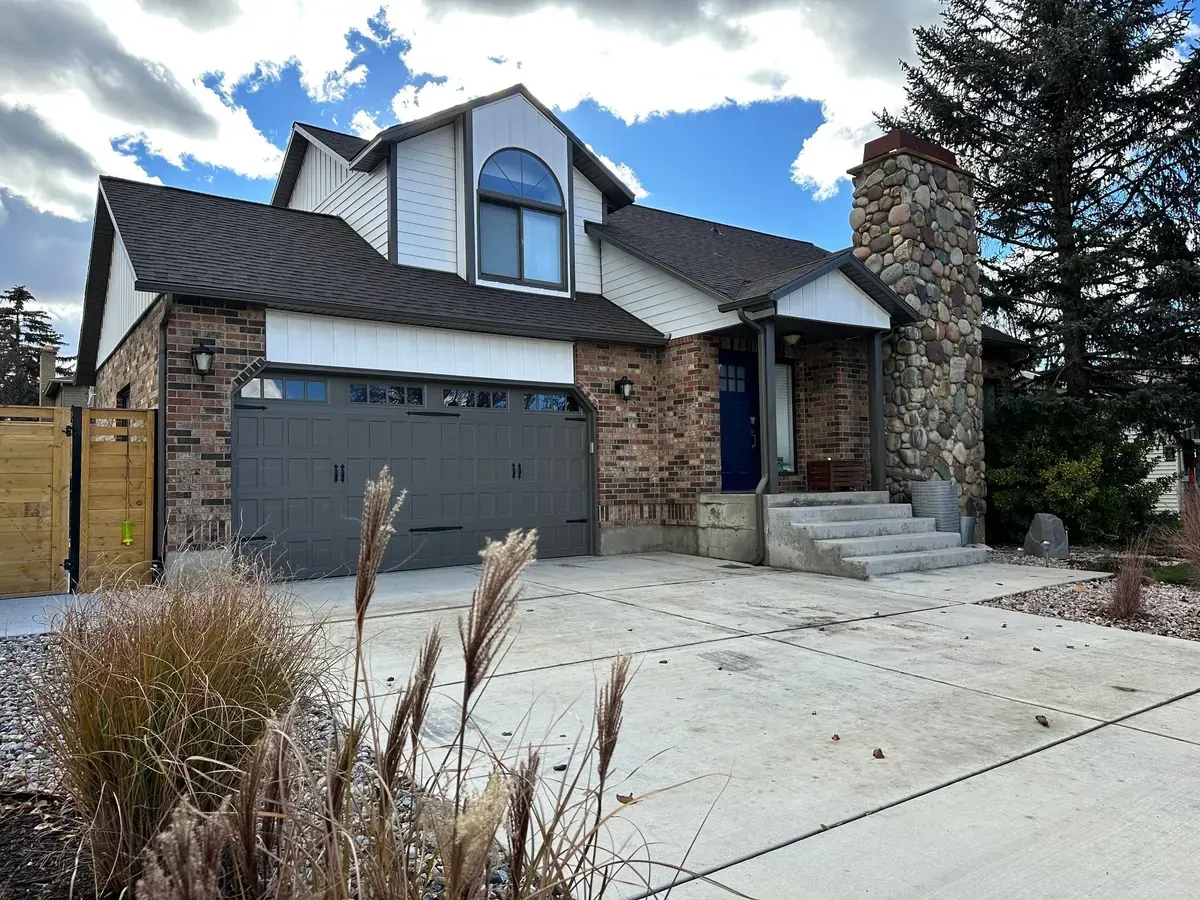
“Amazing company. From quote to finish they are fair, knowledgeable, professional and a very good team. Did excellent work and cleaned up afterwards as promised.”
“Keaton and his team were great to work with from the very start. Easy going, smooth communication and prompt responses. I would highly recommend to anyone!”
“Very happy with the team at Definitive Construction. They replaced our steep roof in 3 days without leaving any mess behind.”
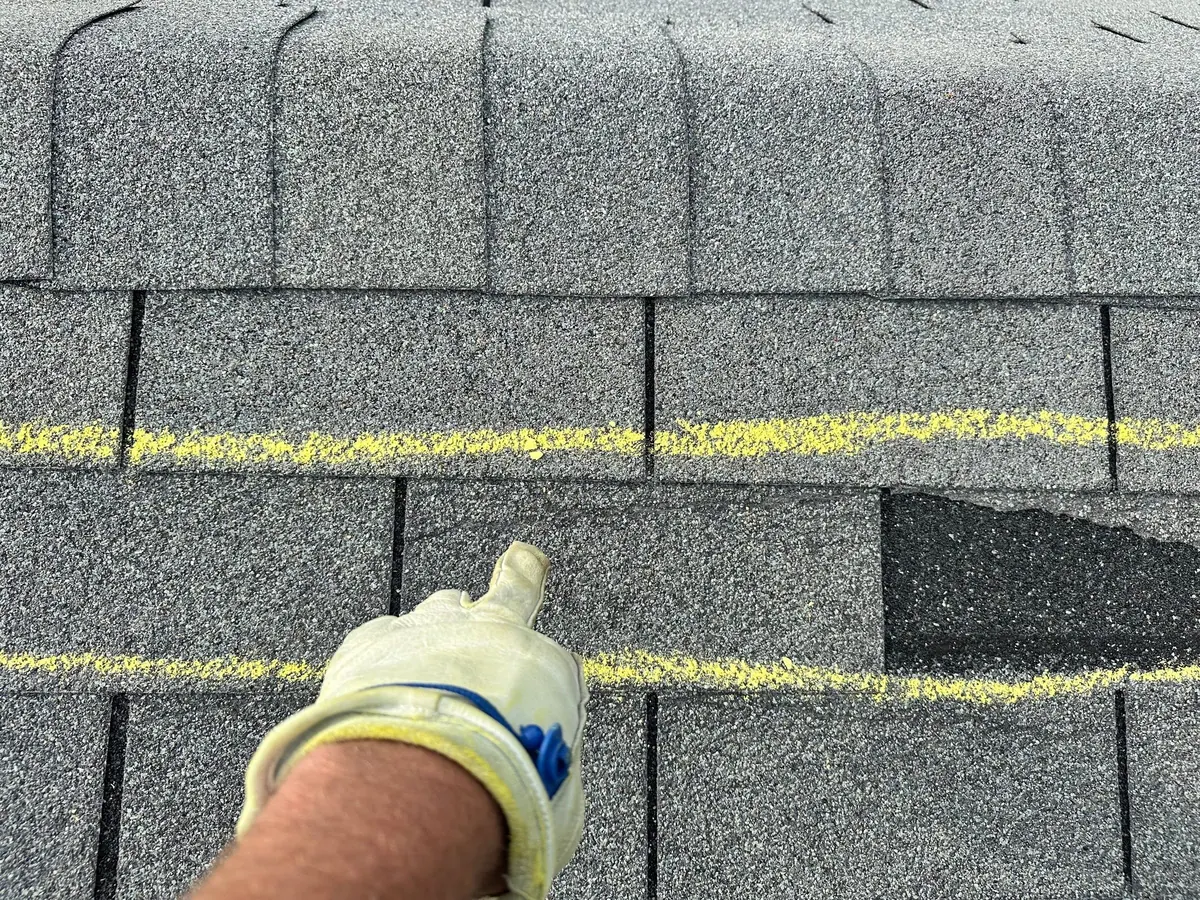
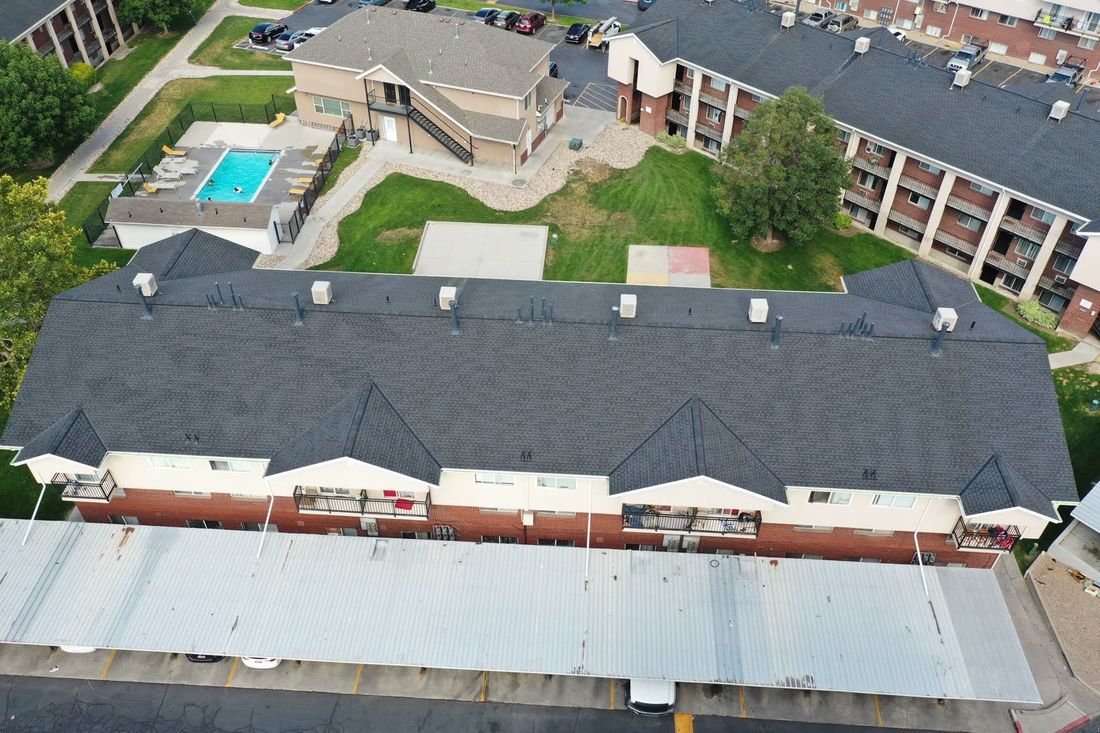
Insurance carriers hire us to inspect roofs for them.
When a carrier needs a roof looked at somewhere their own inspectors cannot easily reach, they pay us to run the inspection for them. They trust us because we go by the book, every time.
That work is for the carrier. When you call us, the inspection is for you: your roof, your photos, and your copy of everything we find.
- In-person inspector
- Hundreds of photos a job
Here is exactly what we do, and what we don’t
Looking for a roofing company that works with insurance? This is our whole part of it, in order. We document and estimate. We are roofers, not public adjusters, so we never negotiate or file the claim for you, and we never promise a free roof.
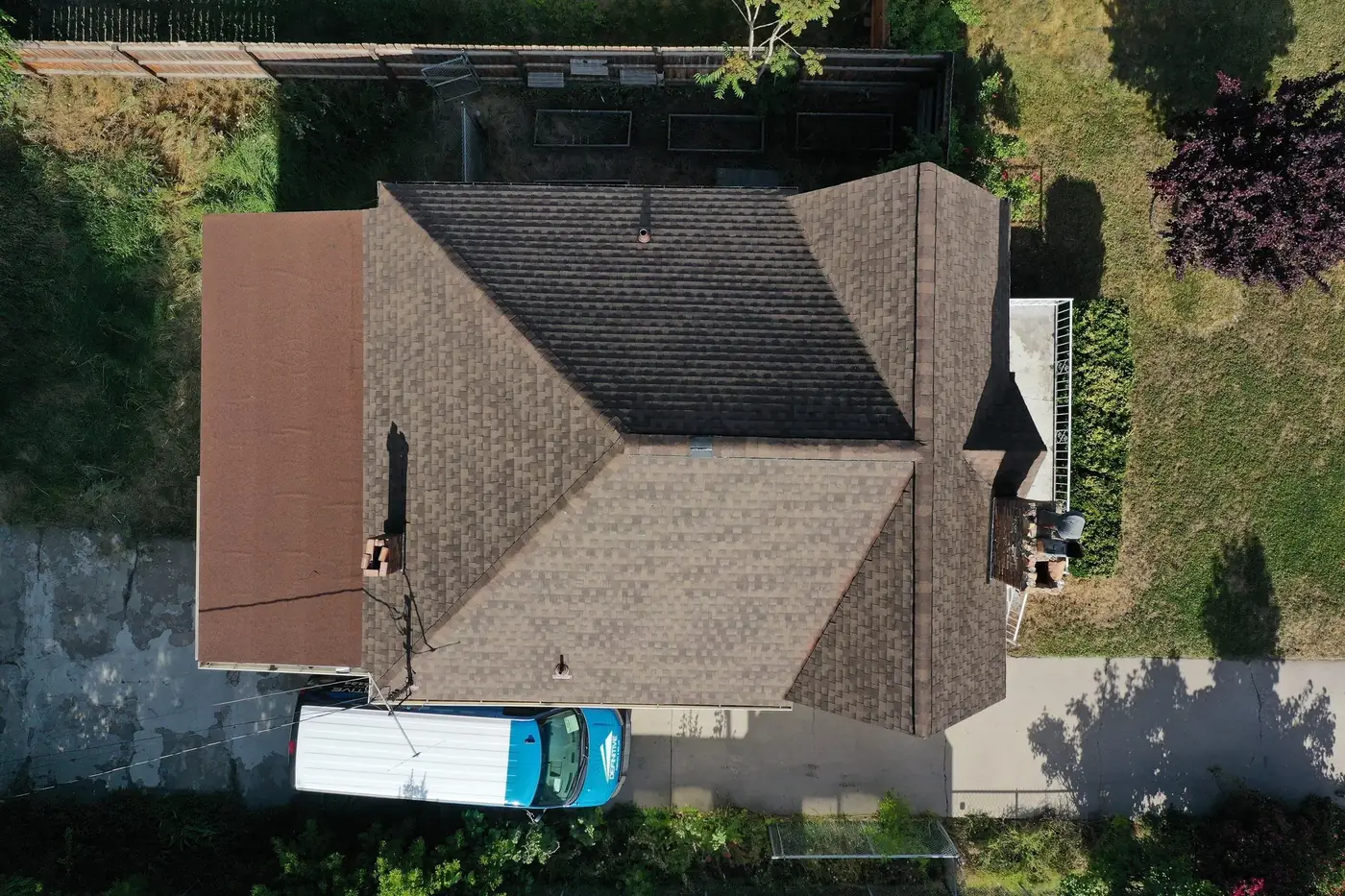
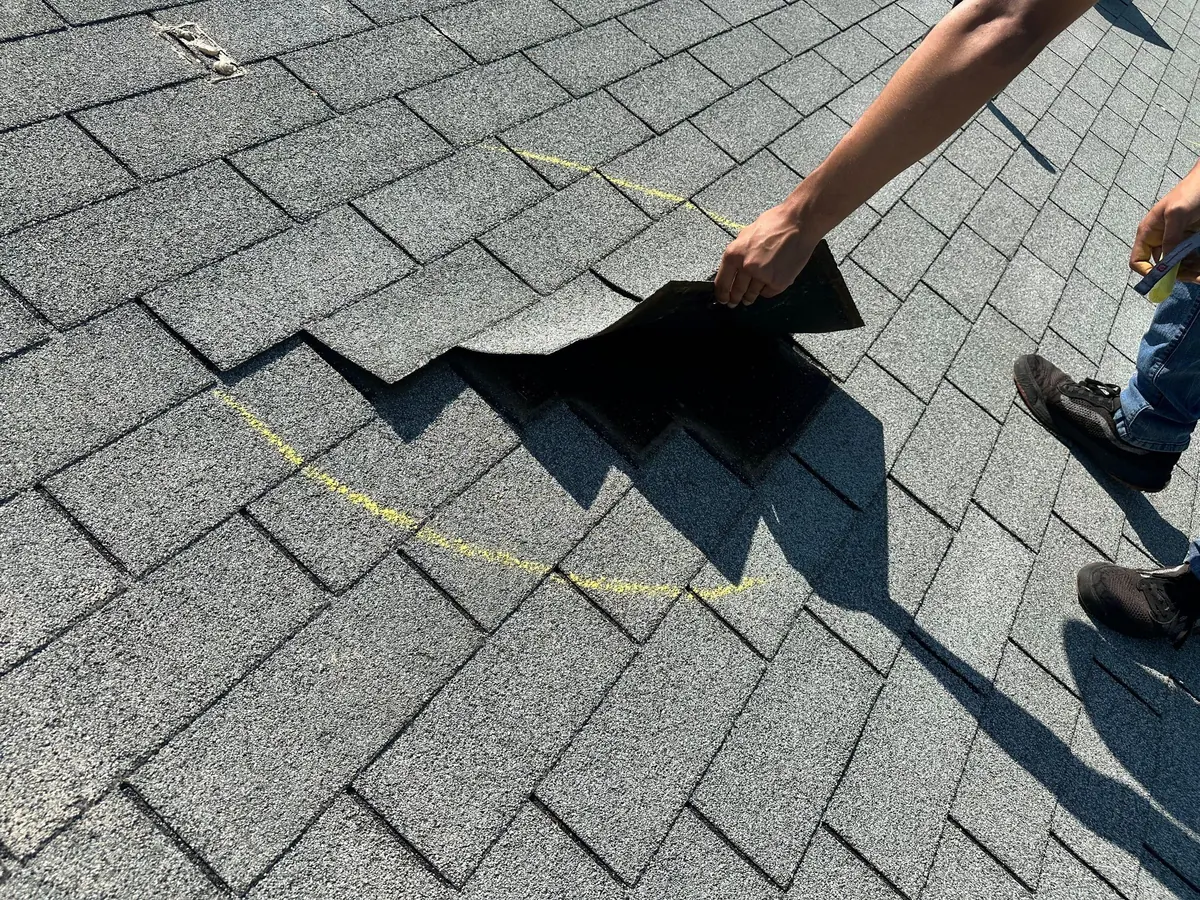
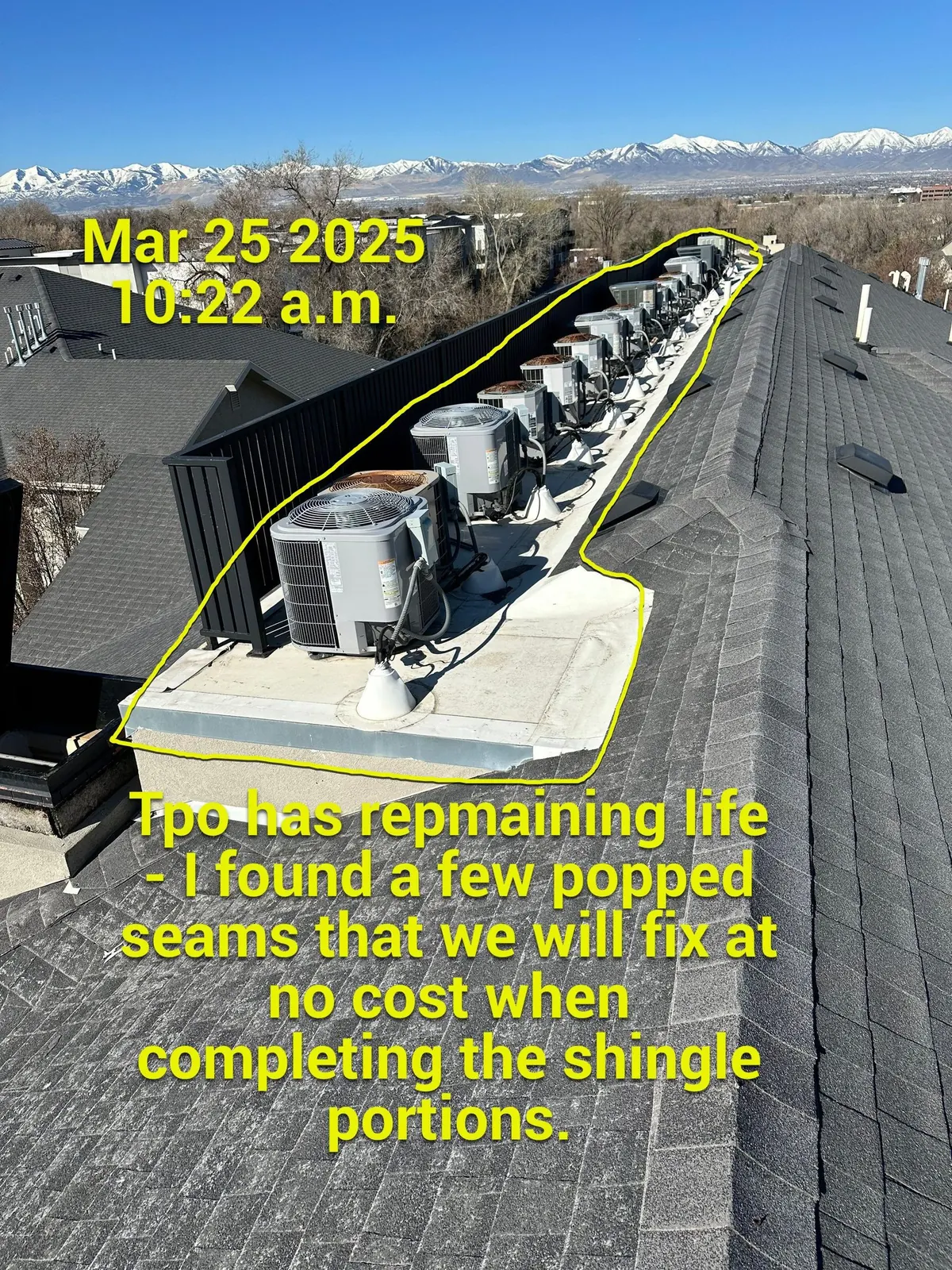
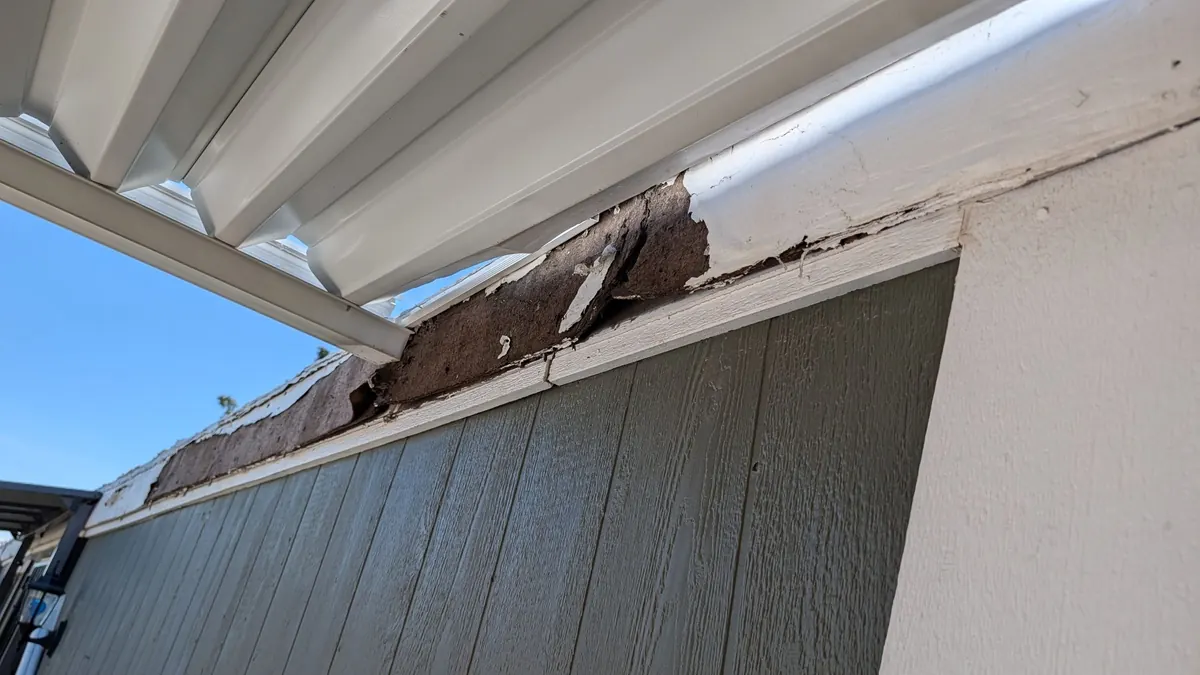
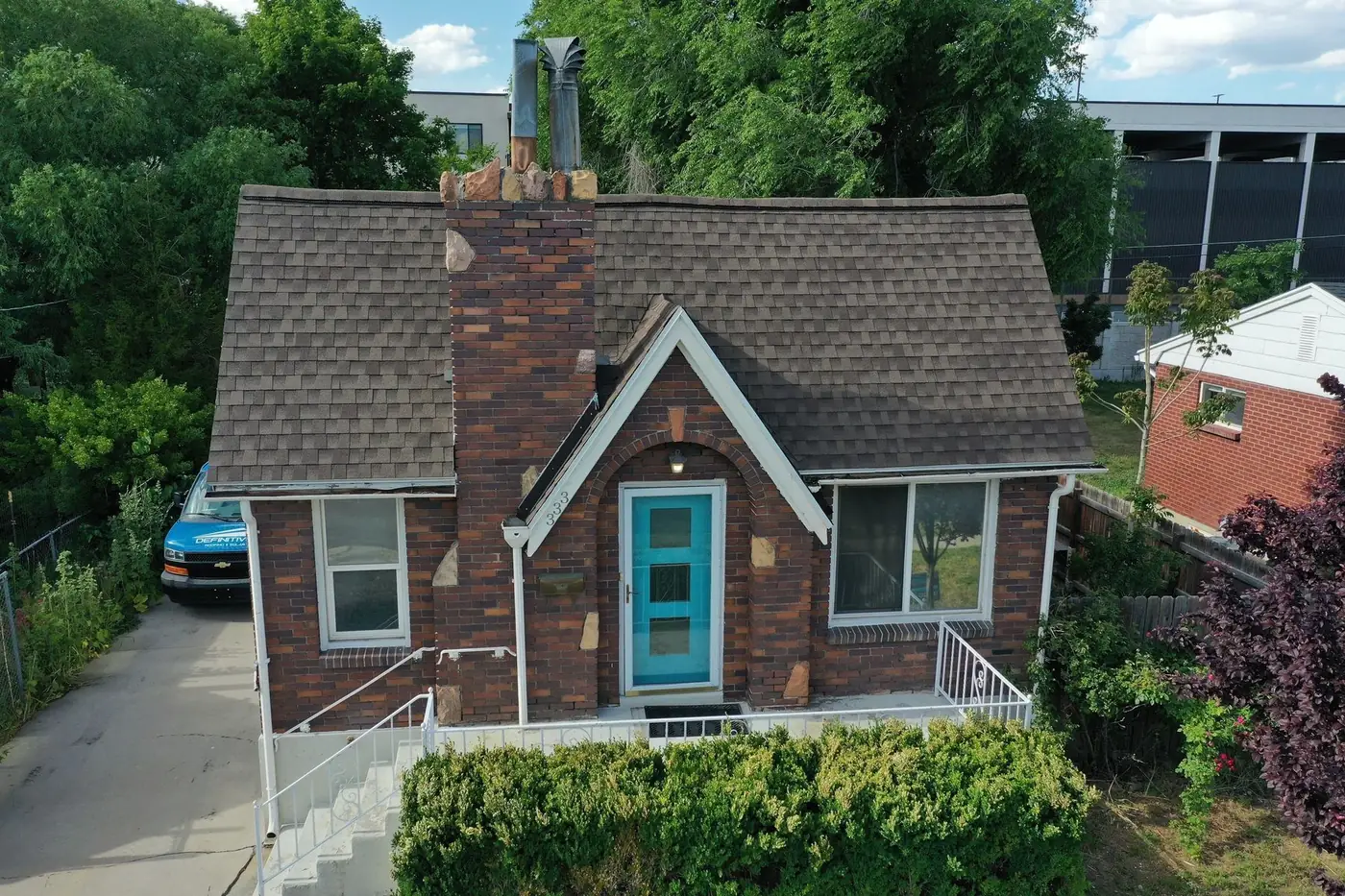
Nobody who comes to your house earns a commission.
The person at your door is an inspector, not a salesman. Their only job is to make sure you and your family are safe, protected, and have the right information.
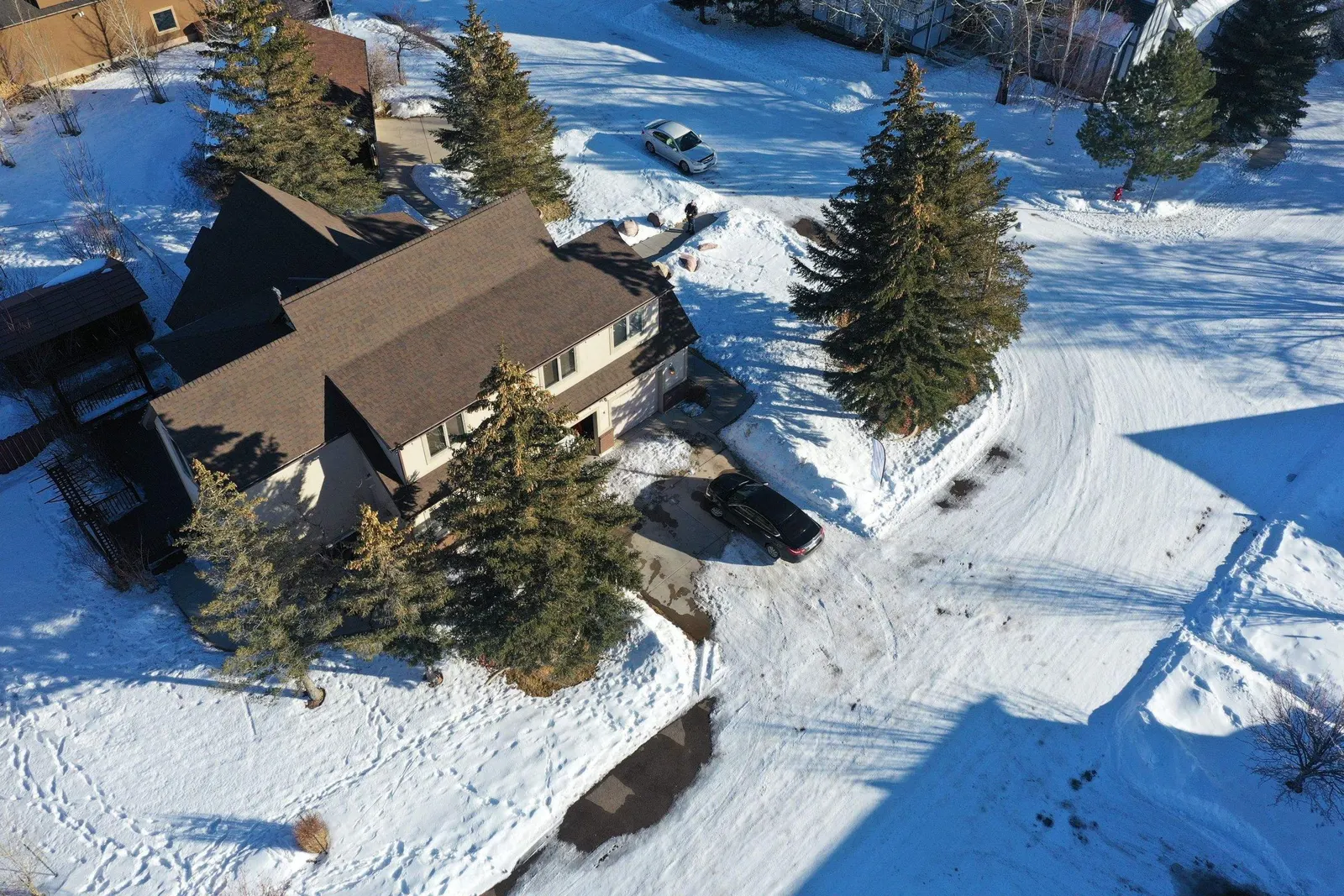
-
Salaried inspectors
If your roof does not need work, we will tell you. Nobody gains anything by overselling it.
-
Hundreds of photos of your job
Before, during, and after. You get every one of them.
-
86 tasks checked on every roof
The same checklist on every job, whoever is on site.
-
A project manager on site
On every job, from the first day to the final walkthrough.
-
Lifetime workmanship warranty*
On every roof package we install, not just the top one.
*Lifetime workmanship warranty may not apply to all products and services. Each manufacturer’s product warranty has its own terms.
Three things worth knowing before you file.
What to do after a storm
- Stay off the roof. A wet or damaged roof is a bad place to be.
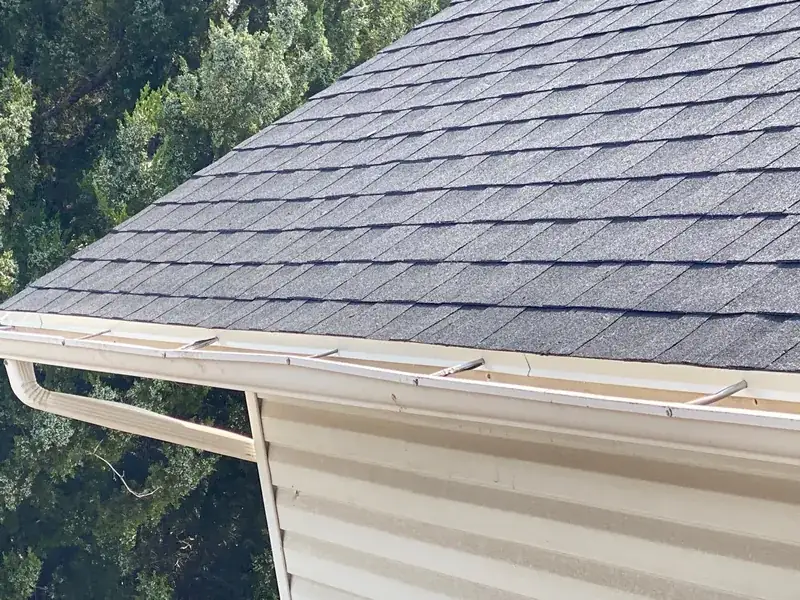
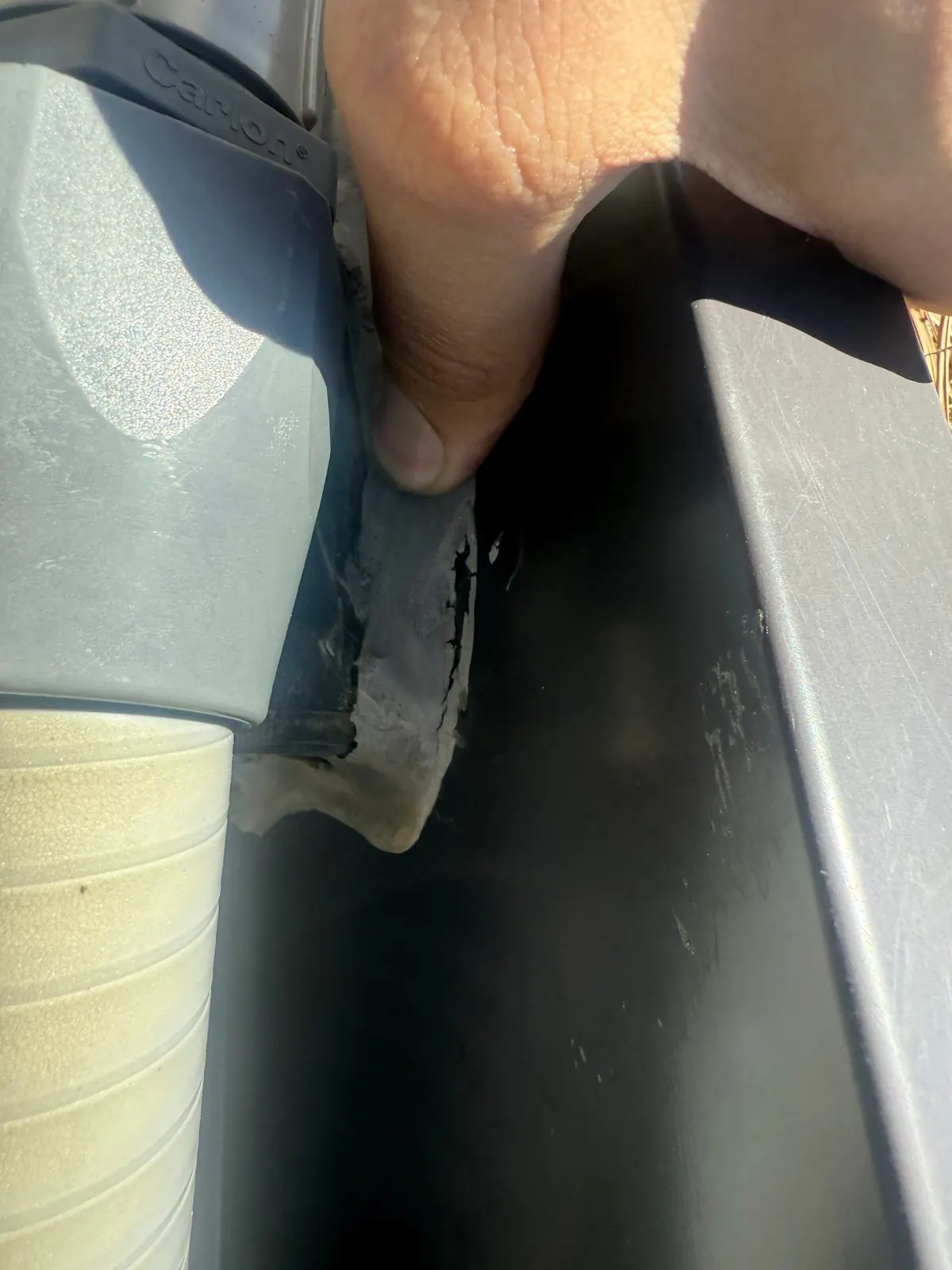
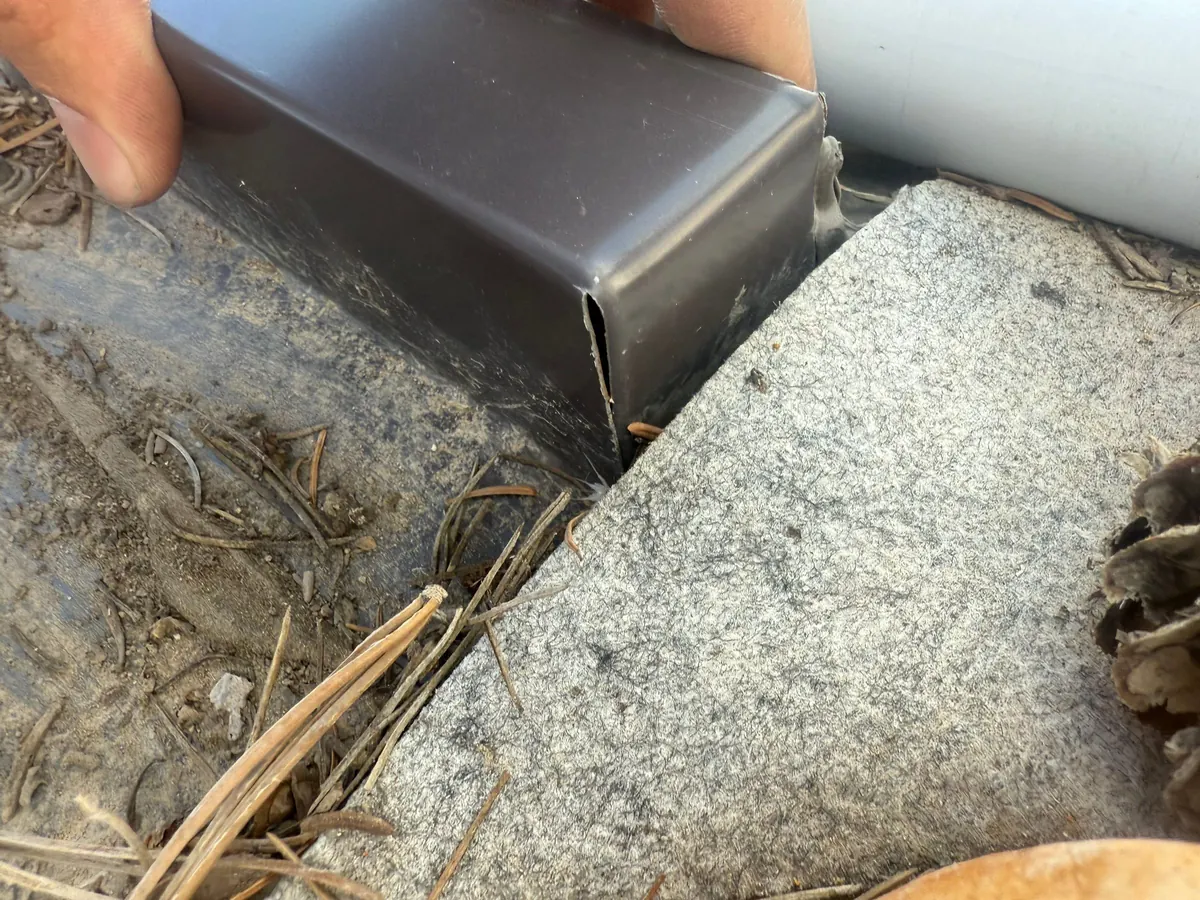
- From the ground, photograph what you can see: shingles in the yard, dented gutters and downspouts, bent drip edge.
- Write down the date of the storm. Your carrier will ask for it.
- If water is coming in, protect what you safely can and call us. We respond same day to emergency repairs during business hours.
- Get the roof inspected and documented before you decide anything.
How to read your roof coverage
- Find the declarations page of your homeowners policy.
- Find your deductible. Some policies carry a separate deductible for wind and hail.
- Check whether your roof is paid at replacement cost (RCV) or actual cash value (ACV). RCV pays to replace at today’s cost, often holding back part of it until the work is done. ACV pays today’s value of the roof, minus its age.
- Look for roof age limits and any exclusions, such as cosmetic damage.
- Anything unclear, ask your agent. Every policy is different.
What happens when the adjuster comes
- After you file, your carrier sets up the adjuster visit with you.
- The adjuster inspects the roof and writes up their own estimate.
- Have your photos and our dated report ready to share if they ask for them.
- Your carrier sends you their decision and their estimate.
- Questions about the decision go to your carrier or your agent. Questions about what we documented, ask us any time.
Guides worth reading next

“From the very beginning they made the entire process incredibly easy and stress free. They took the time to explain everything clearly and provided photos throughout the process.”
Megan V., Google review
Guides for homeowners
-
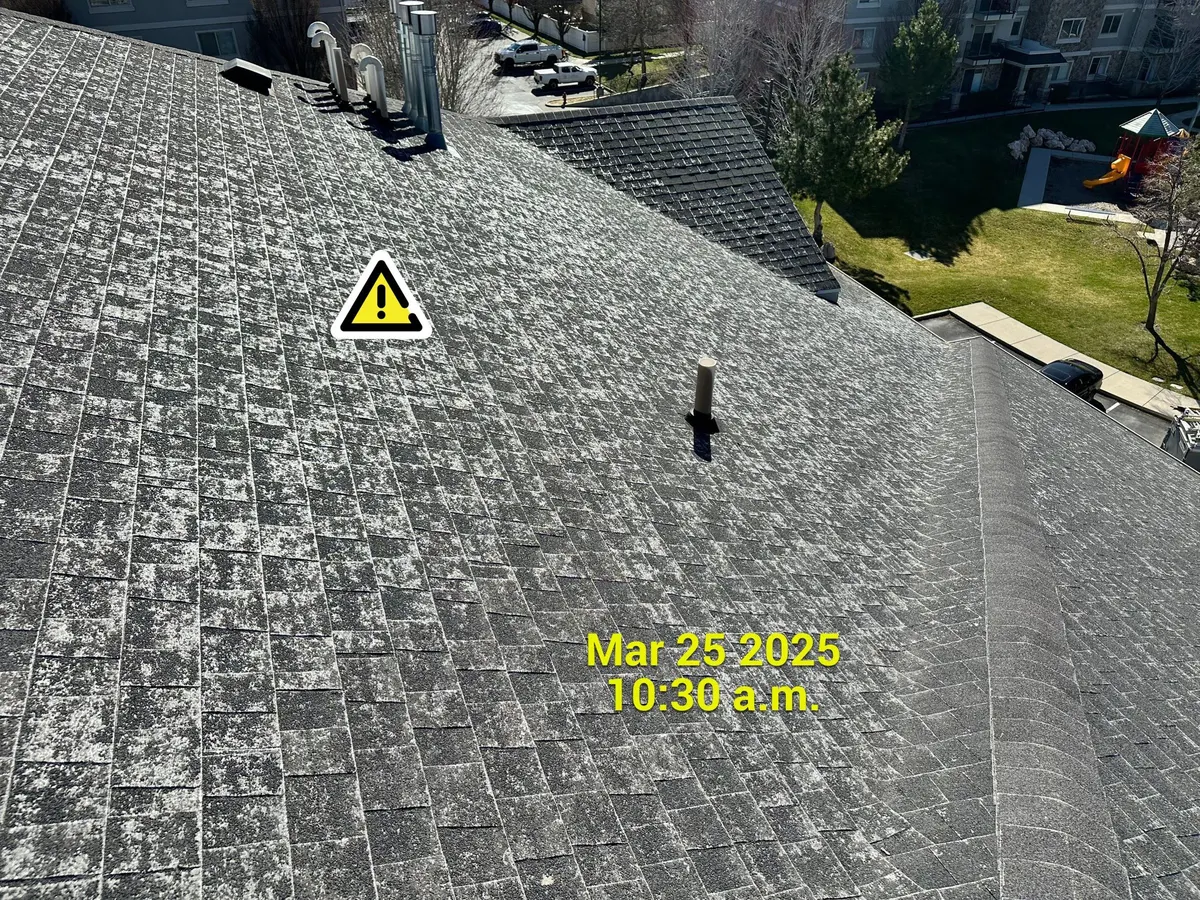 How to tell if your roof has hail damage after a Utah summer storm
Learn signs of hail damage on a roof, which signs usually need a professional inspection, and when storm damage calls for repair or replacement.
-
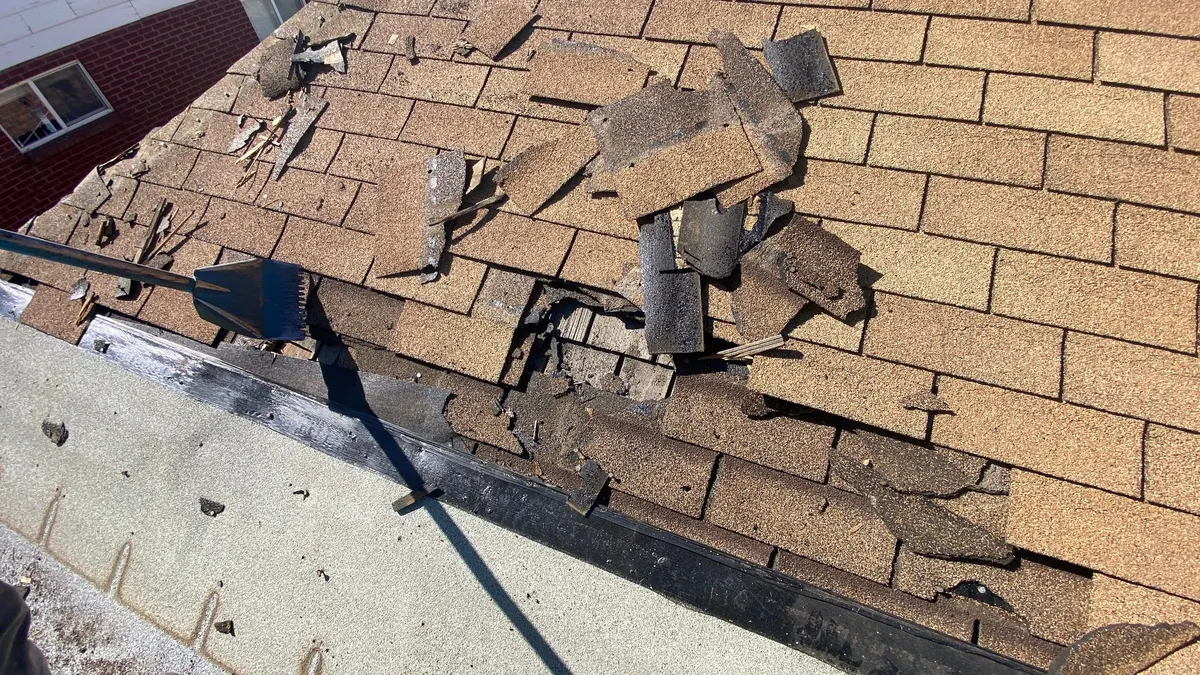 Storm damage assessment checklist: how pros evaluate roofs, gutters, and siding
A storm damage assessment is understanding whether the home is still fully protected before the next storm arrives and identifying what should be repaired immediately versus monitored over time.
Roof insurance questions
The questions Utah homeowners ask us most about storms, claims and coverage. Every policy is different, so your policy and your agent get the final word on coverage.
Do you offer financing?
Yes. Financing can help with anything insurance does not cover, or if you decide not to file at all. If you do not get approved, call or text us and we might be able to work with you. The options are on our financing page.
Do you handle insurance?
No, and here is why. In Utah, handling or negotiating a claim for a homeowner takes a public adjuster license. We are roofers. What we do: inspect in person, photograph every slope, and give you a dated report and a written estimate you can hand your carrier. We explain each step so you know what is coming.
Do you work on roofs with solar panels?
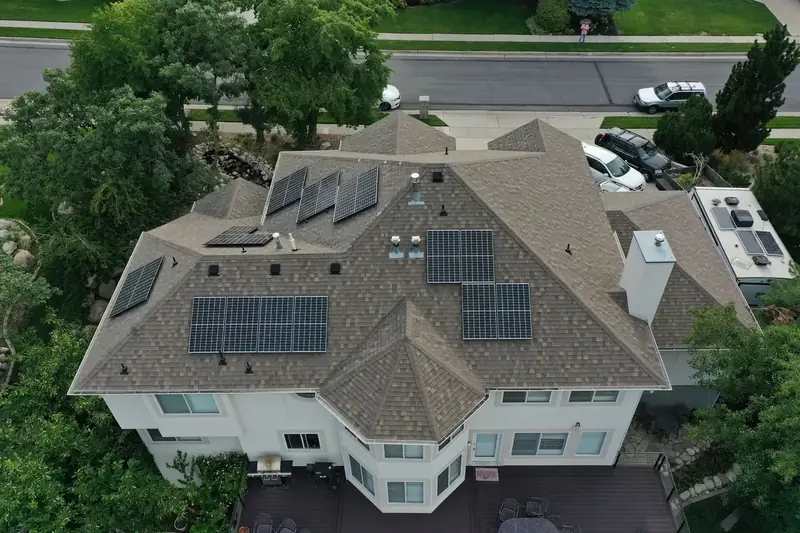
Yes. We are licensed for both roofing and solar, so one company takes the panels off, does the roof, and puts the panels back on. You are not coordinating two contractors on the same roof.
What is an act of God?
It is a common way to describe damage from nature that nobody could stop, like hail, a windstorm or lightning. Most policies do not use the phrase. They list what is covered and what is not, and storm damage is usually covered while wear and tear usually is not. The longer answer is at the top of this page.
How can I tell if I have storm damage?
Start from the ground. Look for shingles in the yard, dents in gutters, downspouts and vents, bent drip edge, and granules collecting at the downspouts. Inside, look for water stains on the ceiling. Hail hits on the roof itself are hard to see from below, so a documented inspection is the sure way. More on spotting storm and hail damage.
Does homeowners insurance cover roof replacement?
Usually when a covered event, like hail or wind, damages the roof. Usually not when the roof is simply old or worn out. Your policy decides, so check its coverage and exclusions or ask your agent. What we can do is document the roof, so you know exactly what is up there before you decide.
Will insurance pay for an old roof?
Often, but many policies pay less on older roofs. Some pay actual cash value, which takes the roof's age off the payout, and some have roof age limits. It depends on your policy, so check your declarations page or ask your agent before you file.
What is the difference between ACV and RCV?
RCV, replacement cost value, pays what it costs to replace the roof today, often holding back part of the payment until the work is done. ACV, actual cash value, pays today's value of the roof, minus its age. Your declarations page says which one you have.
How long do I have to file a roof claim?
It depends on your policy. Most policies set a deadline counted from the date of the storm, and some are shorter than people expect. Check your policy or ask your agent, and write down the storm date either way. Small damage left alone can turn into a leak.
Can you talk to my insurance company?
With your OK, we can send your carrier our photos and written estimate, and answer their questions about what we documented. We cannot negotiate your claim. In Utah that takes a public adjuster license, and we are roofers. The claim, and every decision on it, stays between you and your carrier.
Can you pay or waive my deductible?
No. Utah law does not allow a contractor to pay, waive, rebate, or discount any part of your deductible. Your deductible is yours to pay, and our estimates carry the deductible notice the state requires. A contractor offering to cover it is offering to break the law, and that is worth knowing before you sign anything.
Is it true insurance companies pay you to inspect roofs?
Yes. Carriers pay us to run inspections for them, mostly in hard-to-reach areas their own inspectors cannot easily get to. That work is for the carrier. When you book with us, the inspection is for you, and you get every photo and the written estimate.
Have a question we didn’t answer? Call or text (801) 252-5124 and ask a real person.
Storm damage help near you
Let’s look at your roof.
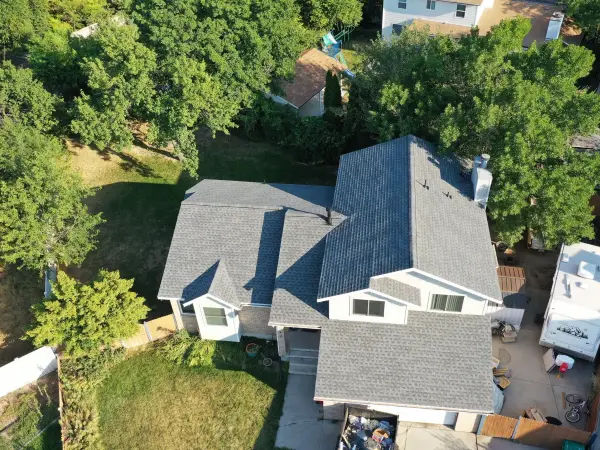
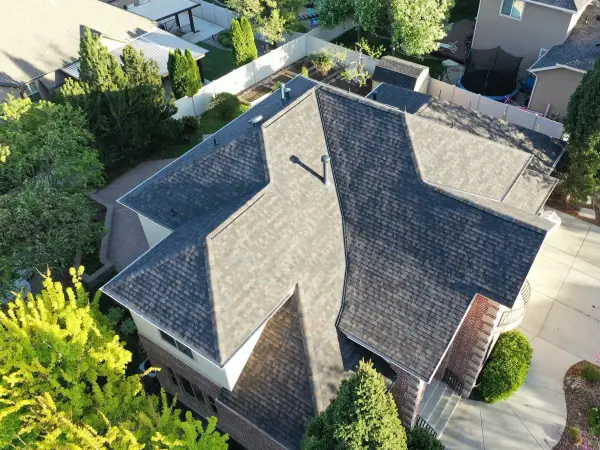
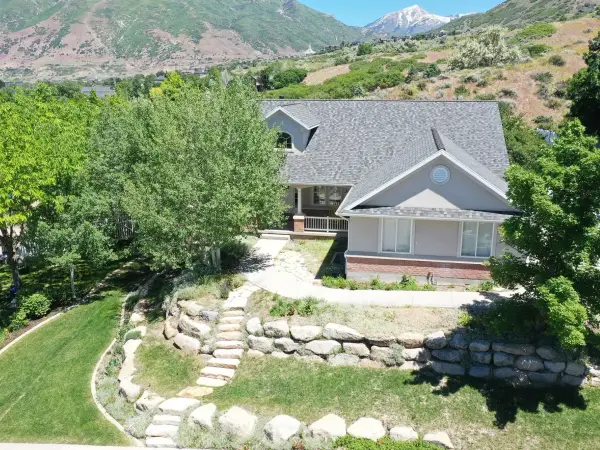
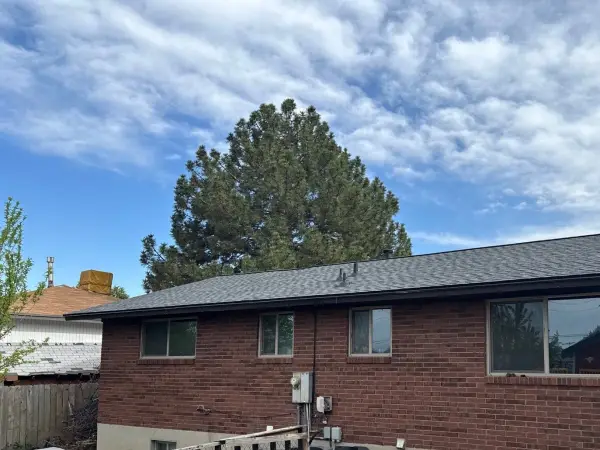
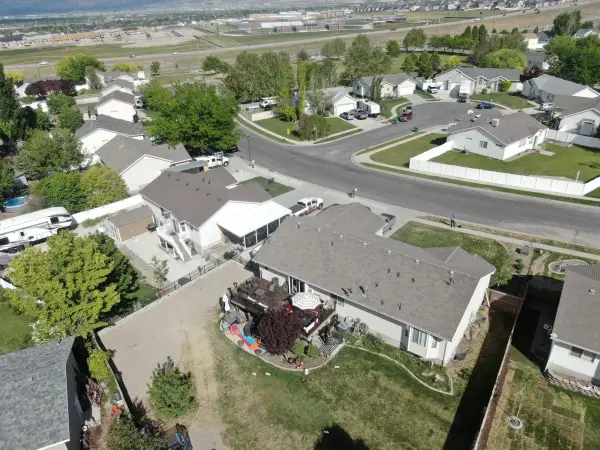
Free drone inspection, no commission, no pressure. Same-day estimates. If your roof doesn’t need work, we’ll tell you.
Lifetime workmanship warranty on every job.* GAF Certified Plus™ Contractor.
*May not apply to all products and services. Each manufacturer’s product warranty has its own terms.