

Storm Damage Assessment Checklist: How Pros Evaluate Roofs, Gutters, and Siding
June 3, 2026
•
Written By
Definitive Construction
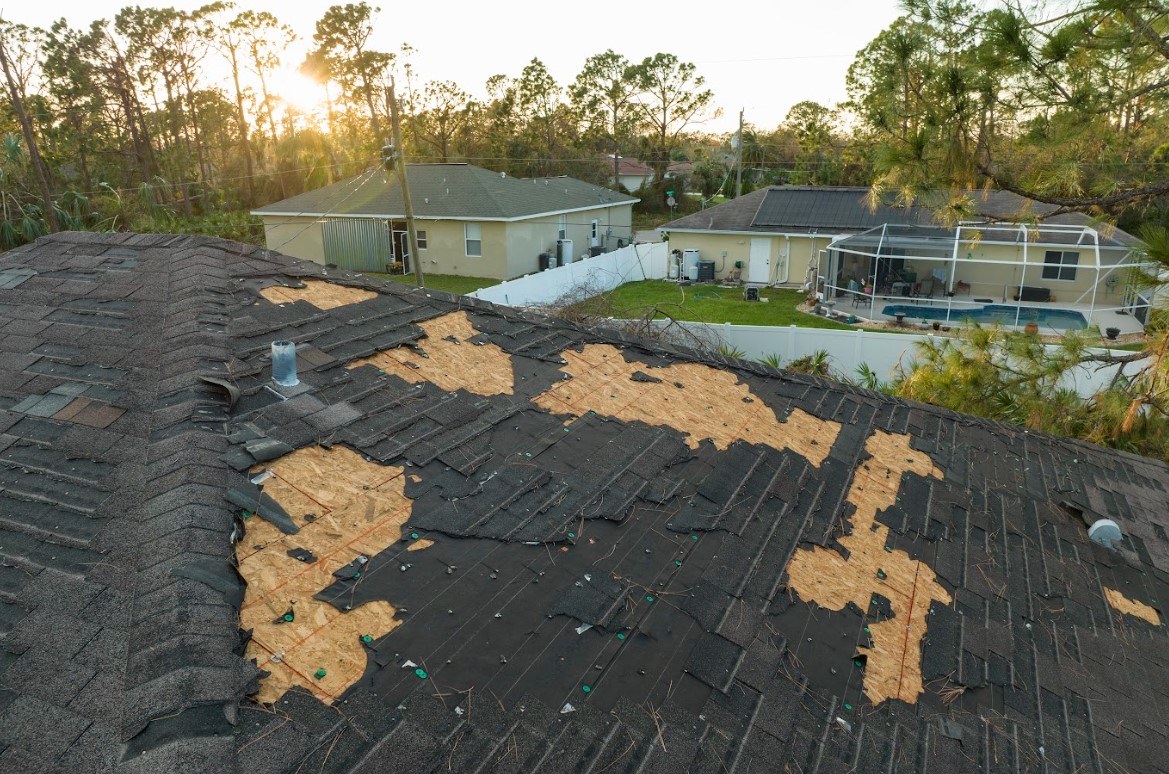
A storm does not have to tear half the roof off a house to create expensive problems. Some of the most serious exterior issues begin with things homeowners barely notice at first. A lifted shingle after canyon winds. A dented gutter seam after hail. A small siding gap quietly allowing moisture behind the wall system.
That is why a professional storm damage assessment matters after severe weather in Utah. A proper inspection helps identify visible damage and the hidden issues that may worsen over time. Roofing systems, gutters, siding, flashing, attic spaces, and drainage systems all work together, which means storms rarely affect just one part of the exterior.
A complete post-storm assessment is not about creating panic after every weather event. It is about understanding whether the home is still fully protected before the next storm arrives and identifying what should be repaired immediately versus monitored over time.
In this guide, we’ll cover:
- Why storm damage is commonly missed after Utah weather events
- What professionals look for during roof inspections
- How gutters and siding are evaluated after storms
- The hidden risks homeowners often overlook
- What inspectors document for insurance purposes
- How freeze-thaw conditions can worsen storm damage later
- Why multiple exterior systems should be inspected together
- How professionals determine whether damage is cosmetic or functional
If your home was recently hit by hail or wind, Definitive Construction can help with professional inspections, drone documentation, and storm damage evaluations throughout the Wasatch Front.
Why Storm Damage Is Often Missed During Post-Storm Assessments
Storm damage is often missed because many exterior systems continue functioning temporarily even after severe weather has compromised them.
A roof may still shed water after hail impact even though shingles have been bruised or granules displaced. Gutters may continue draining while seams loosen or fasteners begin pulling away from fascia boards. Siding may appear intact from the driveway while wind-driven rain finds openings behind exterior panels.
This becomes especially important in Utah because storms are rarely isolated events. Homes throughout the Wasatch Front experience repeated exposure to:
- Hailstorms
- Strong canyon winds
- Heavy snow accumulation
- Rapid snowmelt
- Freeze-thaw temperature swings
- Intense UV exposure at higher elevations
That combination places continuous stress on exterior systems throughout the year.
One of the most common mistakes homeowners make after storms is assuming that no visible leak means no meaningful damage exists. In reality, storm damage often develops gradually. Wind uplift may weaken shingles first. Freeze-thaw cycles may widen flashing gaps later. Moisture intrusion may appear weeks after the original weather event.
That is why professional inspections focus on identifying immediate damage and the warning signs that may create future problems.
What Homeowners Should Do Before a Storm Damage Assessment
The first step after severe weather should be documentation and inspection before rushing into permanent repairs.
Homeowners should begin by safely checking visible exterior areas from the ground whenever possible.
That may include looking for:
- Missing shingles
- Fallen branches or debris
- Dented gutters
- Loose siding panels
- Water stains
- Downspout separation
- Bent flashing
- Debris accumulation near roof valleys
Photos and videos should also be taken before temporary repairs begin whenever possible. That documentation creates a record of storm conditions immediately after the weather event and may help support insurance claims later.
Homeowners should avoid climbing onto the roof after storms. Wet roofing materials, hidden soft spots, loose debris, and compromised decking can create dangerous conditions quickly.
Once visible damage is documented, a professional inspection should be scheduled to determine:
- Whether hidden damage exists
- If temporary protection is needed
- Whether moisture intrusion has started
- Which exterior systems were affected
- If repairs or replacement make more sense
- Whether insurance restoration may apply
Definitive Construction uses drone inspections when appropriate to safely evaluate roofing conditions and identify storm-related damage without unnecessary foot traffic on compromised roofing systems.
The goal during this stage is understanding the full scope of damage before permanent repair decisions are made.
What Homeowners Should Gather Before a Storm Damage Inspection
A storm damage assessment becomes more effective when homeowners gather a few important details beforehand.
That does not mean homeowners need to become inspectors themselves. It simply helps organize information that may support both the inspection process and future insurance conversations.
Helpful items may include:
- Photos taken immediately after the storm
- Interior leak photos or ceiling stains
- Dates of recent storm activity
- Notes about attic moisture or odors
- Previous roof repair records
- Insurance claim information if already started
- Areas where dripping, drafts, or moisture appeared
Even smaller details can help inspectors identify where damage may have started and how far it may have spread through the roofing system or exterior materials.
The Order Pros Typically Follow During Storm Damage Assessments
Professional assessments usually follow a consistent process so inspectors can evaluate how each exterior system was affected and how those systems interact together.
Most assessments begin with a ground-level exterior review. Inspectors look for visible impact areas, debris patterns, drainage concerns, and signs of structural stress before moving into more detailed roof evaluation.
From there, inspectors typically move through:
- Roof surface inspection
- Flashing and roof penetration review
- Gutter and drainage evaluation
- Siding and trim inspection
- Attic and moisture assessment
- Photo documentation and reporting
- Repair recommendations and next-step planning
Following a structured inspection process helps identify isolated damage and the larger patterns that may indicate widespread storm-related issues.
Roof Inspection Checklist for Storm Damage Assessments
A professional roof inspection involves evaluating the entire roofing system instead of only checking for visible missing shingles.
Inspectors evaluate whether roofing materials still provide proper moisture protection, structural stability, and weather resistance after severe weather exposure.

Hail Damage Can Weaken Roofing Materials Before Leaks Develop
One of the most important parts of a hail inspection is identifying damage that may not immediately leak but still weakens the roofing system.
What Pros Check During a Roof Inspection After Hail
Inspectors commonly evaluate:
- Granule loss
- Bruised shingles
- Cracked roofing materials
- Soft impact areas
- Damaged flashing
- Dented roof vents
- Exposed fasteners
- Underlayment vulnerability
- Valley impact zones
- Seal strip separation
Hail damage often shortens the lifespan of roofing materials before visible moisture intrusion ever appears inside the home.
Wind Uplift Can Compromise Roofing Systems Without Visible Blow-Offs
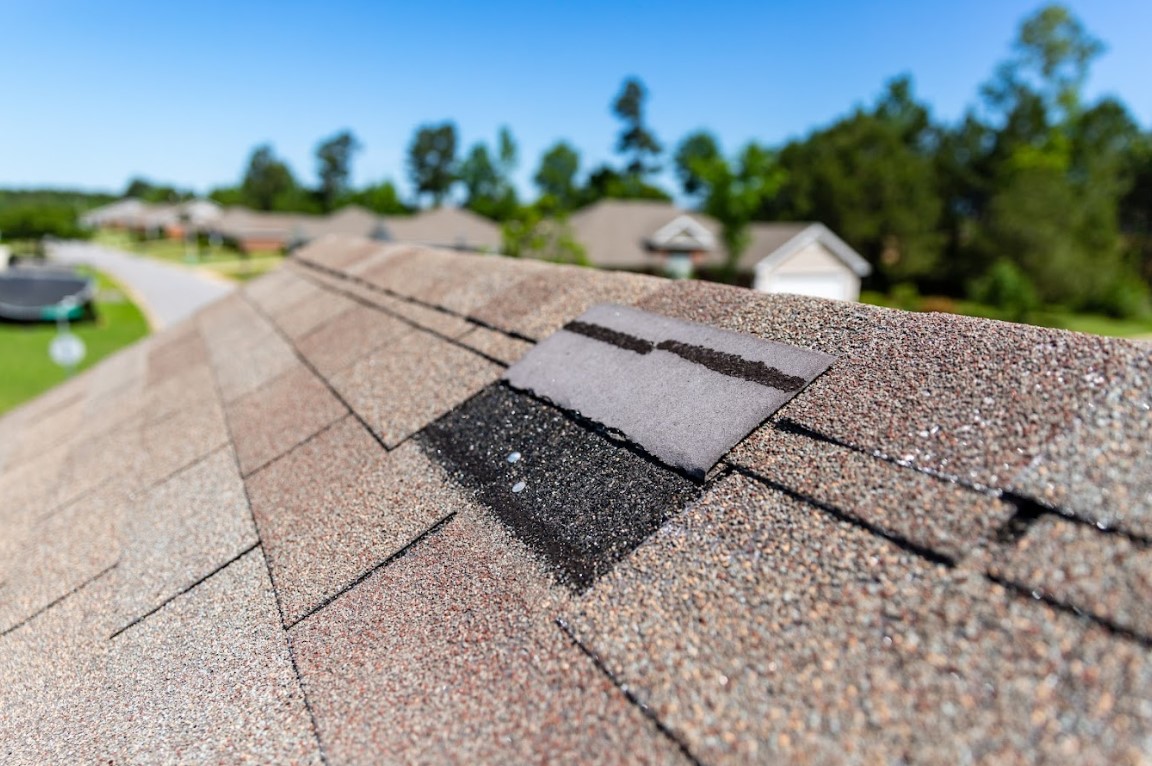
Strong Utah winds can loosen shingles without completely tearing them away from the roof.
What Pros Look For During Wind Damage Assessments
Inspectors look for:
- Broken seal strips
- Lifted shingles
- Ridge cap separation
- Valley damage
- Flashing displacement
- Loose roof penetrations
- Underlayment exposure
- Fastener pull-through
- Uneven shingle alignment
Wind uplift damage may appear minor initially, but compromised shingles become significantly more vulnerable during future storms.
Attic Inspections Help Identify Hidden Storm Moisture
A thorough inspection should include attic evaluation whenever roofing damage is suspected.
What Pros Check Inside the Attic After Storms
Inspectors may check for:
- Wet insulation
- Stained roof decking
- Condensation buildup
- Ventilation concerns
- Moisture spread
- Conditions that may contribute to mold growth
- Daylight penetration through roofing materials
Water intrusion often spreads farther through attic systems than homeowners initially realize after storms.
Gutter Damage Checklist for Post-Storm Assessments
Gutters play an important role in directing water safely away from roofing systems, siding, fascia, and foundations after storms.
A complete assessment should always include gutter evaluation because drainage problems often create secondary exterior damage later.
Dented or Loose Gutters Can Affect Water Drainage Performance
After hail or wind events, inspectors commonly evaluate gutters for:
- Dents
- Sagging sections
- Loose brackets
- Separated seams
- Overflow patterns
- Downspout detachment
- Water pooling issues
- Fascia attachment concerns
- Overflow staining near siding
Even minor gutter misalignment can redirect water toward vulnerable exterior areas over time.
Gutter Damage Often Reveals Larger Storm Impact Areas
Gutter dents and debris patterns frequently help inspectors identify where hail or falling branches impacted the roofing system most heavily.
A gutter seam separation after a spring hailstorm in South Jordan may not leak immediately, but repeated snowmelt and freeze-thaw cycles can gradually widen the gap over the following months.
Because roofing and gutter systems work together, inspections should evaluate both systems during the same assessment.
Siding Inspection Checklist for Storm Damage Evaluations
Storm assessments should also evaluate siding systems because exterior wall damage is commonly overlooked after severe weather.
Siding helps protect the home from moisture intrusion, air infiltration, and exterior exposure. When storms compromise siding systems, hidden moisture problems can develop behind the wall structure.
Loose or Cracked Siding Can Allow Moisture Behind Exterior Walls
Wind-driven rain and hail can loosen siding panels, crack seams, or damage trim areas around windows and doors.
What Pros Check During Siding Inspections After Storms
Inspectors typically look for:
- Cracks
- Warping
- Loose panels
- Hail impact marks
- Trim separation
- Caulking failure
- Moisture-prone openings
- Panel brittleness
- Gaps near windows and doors
Fiber cement, vinyl, engineered wood, stucco, and composite siding materials all respond differently to storm conditions, which is why professional inspection standards matter.
Storm Damage Can Reduce Energy Efficiency Over Time
Even small siding gaps can allow air infiltration and moisture intrusion that reduce insulation performance and indoor comfort over time.
This becomes especially noticeable during Utah’s seasonal temperature swings between extreme heat, freezing temperatures, and rapid weather shifts.
Hidden Storm Damage Risks That Professional Assessments Look For
One of the biggest reasons storm damage assessments matter is because hidden damage can continue worsening long after the storm passes.
Professional inspections are designed to identify vulnerabilities that homeowners may not immediately notice from the ground.
Freeze-Thaw Cycles Can Expand Small Storm Openings
Utah freeze-thaw conditions can turn small storm damage into larger exterior failures over time.
Moisture entering tiny gaps around shingles, flashing, siding seams, or fasteners may freeze overnight and expand. Repeated expansion and contraction can widen openings, weaken surrounding materials, separate seal strips, and increase the likelihood of future leaks.
This process is one reason small storm damage should not simply be ignored until visible interior leaking appears.
Delayed Roof Leaks Often Start With Earlier Storm Damage
Many roof leaks that appear weeks later actually begin with earlier hail or wind damage that weakened the roofing system beforehand.
That is why homeowners should not assume the absence of immediate leaking means the roof avoided storm damage entirely.
Hidden Moisture Can Spread Through Attics and Wall Systems
Moisture intrusion may travel through insulation, roof decking, framing, or wall cavities before visible interior damage appears.
That hidden spread is one reason professional inspections matter after severe weather events.
Storm Damage Usually Affects Multiple Exterior Systems Together
Storms rarely damage only one part of the home’s exterior. Roofing systems, gutters, siding, flashing, soffits, fascia, and drainage systems all work together to protect the structure.
A complete assessment evaluates how these systems interact after severe weather exposure.
Roofing, Gutters, and Siding Work Together To Protect The Home
Roofing materials direct water into gutters. Gutters move water away from siding and foundations. Siding helps prevent moisture intrusion into wall systems.
When one system fails, surrounding exterior components often experience added stress as well.
For example:
- Lifted shingles may redirect water toward gutters improperly
- Overflowing gutters may saturate siding or fascia
- Damaged siding may allow moisture behind exterior walls
- Flashing damage may affect both roofing and siding systems simultaneously
This is one reason comprehensive inspections provide more useful long-term information than isolated spot repairs alone.
How Pros Determine Whether Storm Damage Is Cosmetic or Functional
Not all storm damage affects a home in the same way.
Part of a professional assessment involves determining whether damage is cosmetic, functionally significant, or likely to worsen over time.
Cosmetic Damage Looks Different Than Functional Damage
Cosmetic damage may include surface marks, dents, or minor visual imperfections that do not immediately affect how the roofing or exterior system performs.
Functional damage affects how the exterior system protects the home.
What Pros Consider During Damage Severity Assessments
Functional storm damage may include:
- Granule displacement exposing shingles
- Lifted seal strips
- Cracked flashing
- Moisture intrusion points
- Compromised drainage
- Exposed underlayment
- Siding gaps allowing water penetration
- Structural weakening around fasteners
Professional assessments help homeowners understand whether damage is primarily visual or whether it affects the long-term performance of the home’s exterior systems.
Insurance Documentation Tips for Storm Damage Assessments
Storm assessments are also important because detailed documentation helps create clearer insurance records after severe weather.
A proper inspection should include documentation that helps establish the condition of the home immediately after the weather event.
Thorough Documentation Helps Support Insurance Evaluations
Homeowners should document:
- Roof damage
- Gutter damage
- Siding damage
- Interior staining
- Fallen debris
- Moisture-related concerns
- Storm dates when possible
Professional inspections may also provide:
- Drone photography
- Inspection notes
- Moisture observations
- Damage reports
- Exterior system evaluations
This documentation helps create more organized information for insurance review if needed.
What Professional Inspectors Document After Storm Damage
Professional inspections involve much more than taking a few roof photos.
Certified inspectors evaluate patterns, material conditions, and storm-related vulnerabilities that may support accurate repair recommendations and insurance documentation.
Certified Inspectors Look For Patterns That Support Accurate Damage Evaluation
Inspectors may document:
- Hail impact patterns
- Wind uplift damage
- Soft metal denting
- Flashing separation
- Moisture indicators
- Gutter impact areas
- Siding vulnerabilities
- Attic moisture concerns
- Drone imaging of affected areas
- Potential code-related repair considerations
This type of documentation helps homeowners better understand the condition of the home while also creating clearer information for insurance review if necessary.
Fast Inspections Help Prevent Secondary Storm Damage
The longer storm damage remains undocumented or unrepaired, the greater the likelihood additional moisture or weather exposure may complicate the situation further.
Fast inspections help homeowners understand what should be addressed immediately versus monitored over time.
Storm Damage Inspection Questions Utah Homeowners Commonly Ask
After severe weather moves through the Wasatch Front, many homeowners are left trying to figure out what damage actually matters, what inspectors look for, and how quickly they should act. These are some of the most common questions homeowners ask during storm damage assessments after hail, wind, and heavy seasonal weather.
What do roof inspectors look for after storms?
Roof inspectors look for hail impact damage, lifted shingles, flashing issues, moisture intrusion risks, gutter damage, and signs of wind uplift throughout the roofing system. A professional inspection also evaluates areas homeowners may not safely see from the ground, including roof penetrations, valleys, attic moisture, and underlayment exposure.
Can storm damage appear later?
Yes, storm damage can appear later because weakened roofing materials, flashing, siding, or sealants may continue deteriorating after the original weather event. In Utah, freeze-thaw cycles and repeated weather exposure can widen small openings over time and eventually lead to visible leaks or moisture intrusion.
What storm damage do homeowners commonly miss?
Homeowners commonly miss bruised shingles, lifted seal strips, attic moisture, flashing damage, gutter seam separation, and siding gaps after storms. Many forms of damage do not create immediate leaks, which is why professional inspections focus on identifying hidden vulnerabilities before they worsen.
Should gutters be inspected after hailstorms?
Yes, gutters should be inspected after hailstorms because dents, seam separation, drainage issues, and loose attachment points can affect how water moves away from the home. Gutter damage may also help inspectors identify where the roofing system experienced the heaviest storm impact.
Do siding inspections matter after storms?
Yes, siding inspections matter after storms because cracked panels, loose seams, and damaged trim can allow moisture behind exterior walls. Even smaller openings can contribute to moisture intrusion and reduced energy efficiency over time if left unaddressed.
Are drone roof inspections useful after severe weather?
Yes, drone roof inspections are useful after severe weather because they provide detailed visual documentation while reducing unnecessary foot traffic on potentially compromised roofing systems. Drone inspections can also help document storm damage safely and more efficiently during the assessment process.
Can freeze-thaw weather make storm damage worse?
Yes, freeze-thaw weather can make storm damage worse because moisture entering small cracks or gaps may freeze, expand, and widen those openings over time. This repeated expansion and contraction can accelerate deterioration in roofing, flashing, siding, and drainage systems.
How do inspectors tell the difference between old damage and new storm damage?
Inspectors determine the difference between old and new storm damage by evaluating impact patterns, material condition, weather exposure, oxidation levels, granule displacement, and surrounding damage indicators. A professional assessment looks for consistency in damage patterns to help identify whether issues appear recent or long-term.
Final Thoughts on Storm Damage Assessments
A storm damage assessment checklist is not just about finding obvious roof problems after severe weather. It is about understanding how storms affect the entire exterior system before hidden vulnerabilities become larger repairs later.
For Utah homeowners, the smartest first step after hail or wind damage is usually a professional inspection that evaluates roofing, gutters, siding, attic conditions, moisture risks, and drainage performance together instead of separately.
Definitive Construction helps homeowners throughout the Wasatch Front with storm damage assessments, drone evaluations, temporary protection, insurance documentation support, and long-term exterior repair solutions designed for Utah weather conditions. Our team focuses on clear communication, detailed inspections, and practical recommendations that help homeowners make informed decisions without unnecessary pressure.
Schedule a professional storm damage inspection before hidden issues become expensive repairs.
Recent Articles
Residential Roofing
How to Tell If Your Roof Has Hail Damage After a Utah Summer Storm
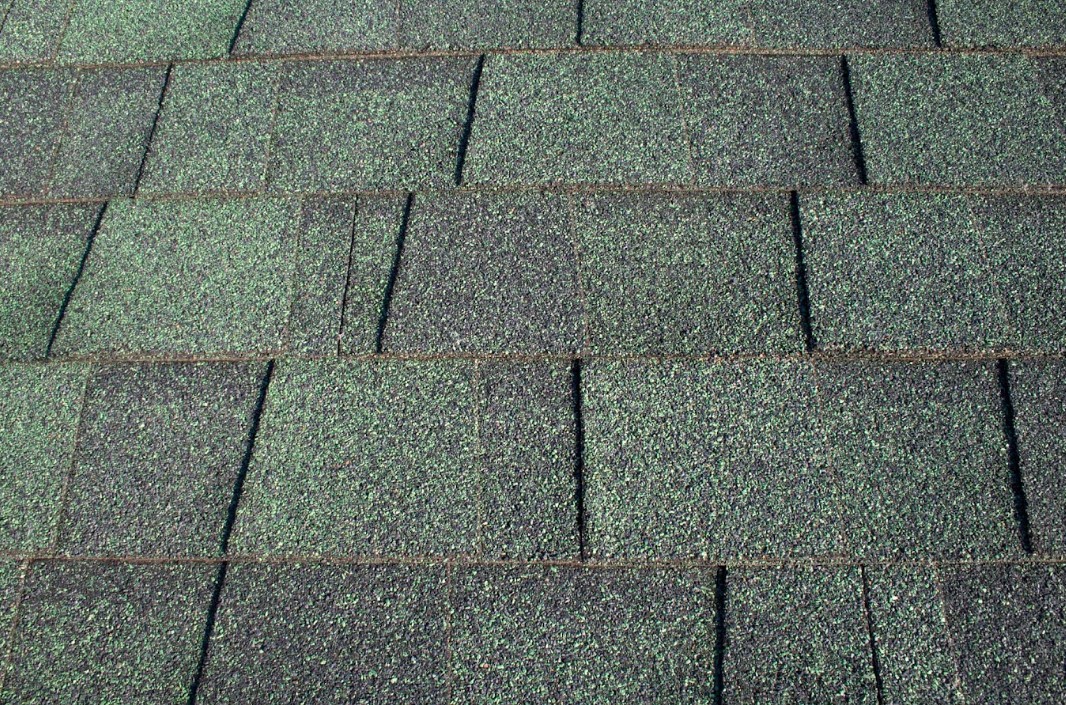
Hail damage on a roof can appear as displaced shingle granules, bruised or fractured asphalt shingles, dents in gutters or vents, cracked roofing materials, damaged flashing, and new leaks after the storm.
August 5, 2026

Residential Roofing
How Long Does a Roof Really Last in South Jordan? A Material-by-Material Breakdown
An asphalt shingle roof in Utah usually lasts about 18 to 22 years. That range depends on material quality, ventilation, storm exposure, and installation. Different roofing materials age differently. Some are easy to repair.
July 1, 2026

Residential Roofing
Whole-Home Protection Plan: Coordinating Roof, Gutter, Siding, and Solar Maintenance
A whole-home protection plan is not about overcomplicating homeownership. It is about understanding how roofing, gutters, siding, solar systems, drainage pathways, and ventilation systems work together to protect the home year-round.
June 11, 2026
Residential Roofing
Debris Removal and Immediate Leak Repair: Why Speed Matters After a Storm
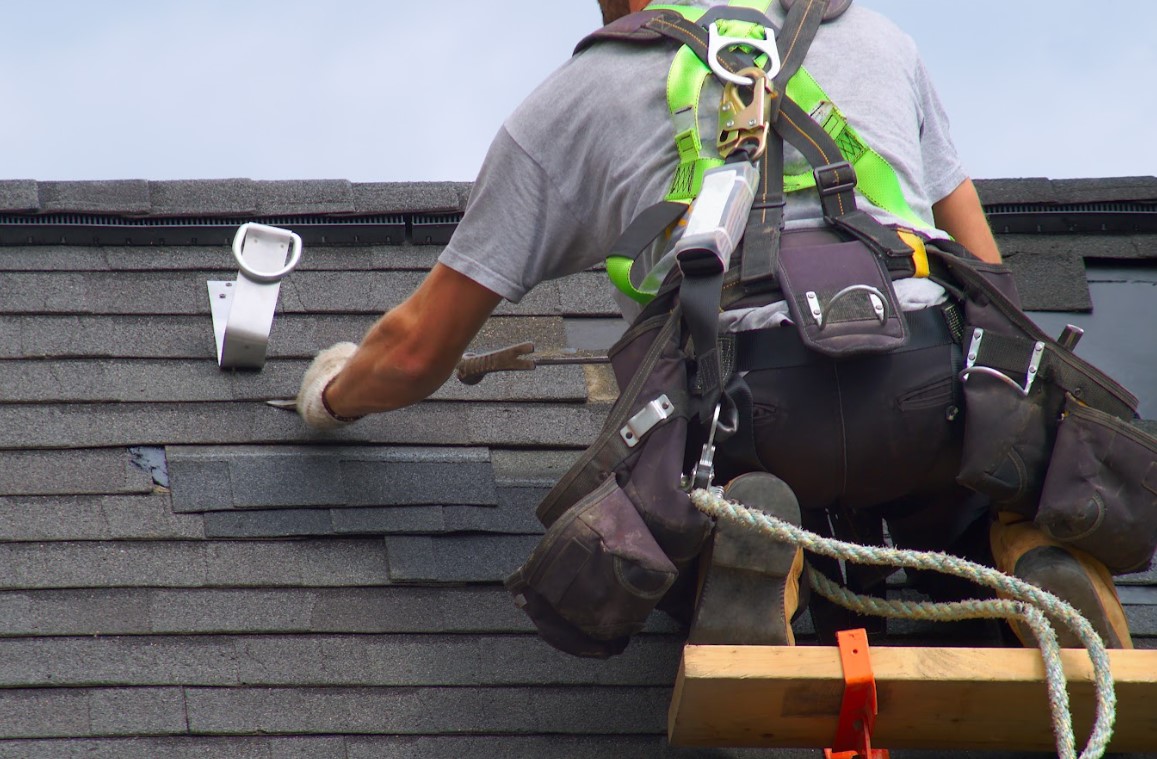
Debris removal and immediate roof leak repair are not simply cleanup tasks after severe weather. They are critical first steps in preventing additional roofing damage, and larger structural problems after a storm.
June 8, 2026