Solar Shingles and BIPV: The Future of Roof-Integrated Solar Systems
May 3, 2026
•
Written By
Definitive Construction
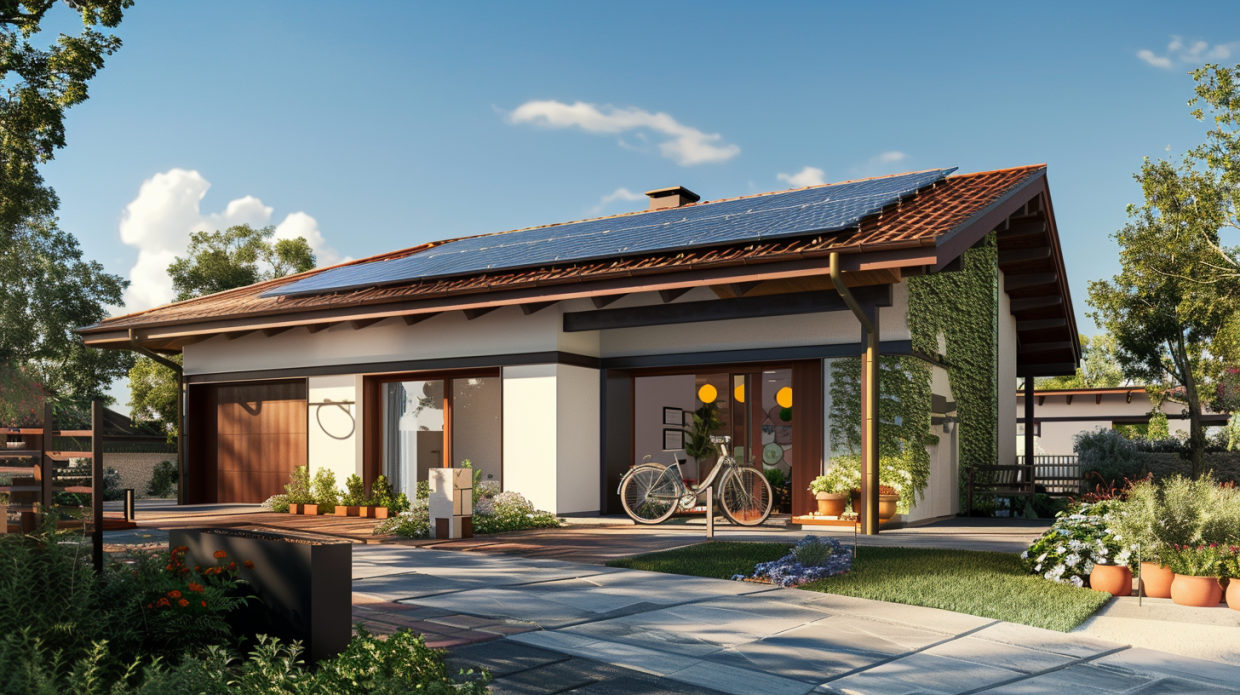
Solar shingles and building-integrated photovoltaics (BIPV) represent a shift in how solar is designed and installed. Instead of adding panels on top of an existing roof, these systems build energy production directly into the roofing material. The result is a roof-integrated solar system that functions as both protection and power generation. While they typically cost more and produce less energy per square foot than traditional panels, they can be the right fit when long-term roofing alignment and system integration matter most.
In South Jordan, where roofs deal with snow load, heat, and seasonal wear, the idea of solar built directly into the roofis not just about appearance. It is about whether combining roofing and solar into one system makes more sense than treating them separately. That is the core question behind Solar Shingles and BIPV: The Future of Roof-Integrated Solar Systems.
What this guide will help you understand:
- What building-integrated photovoltaics are and how they change system design
- The real benefits of solar shingles and where they fall short
- How integrated solar roofing systems compare to traditional panels
- What to expect when installing roof-integrated solar
- How to determine if this approach fits your property long term
If you are trying to decide whether a roof-integrated system makes sense for your home, Definitive Construction can help.
Understanding Solar Shingles and BIPV as Roof-Integrated Solar Systems
To understand the future of solar, it helps to start with what makes solar shingles and BIPV different from traditional systems.
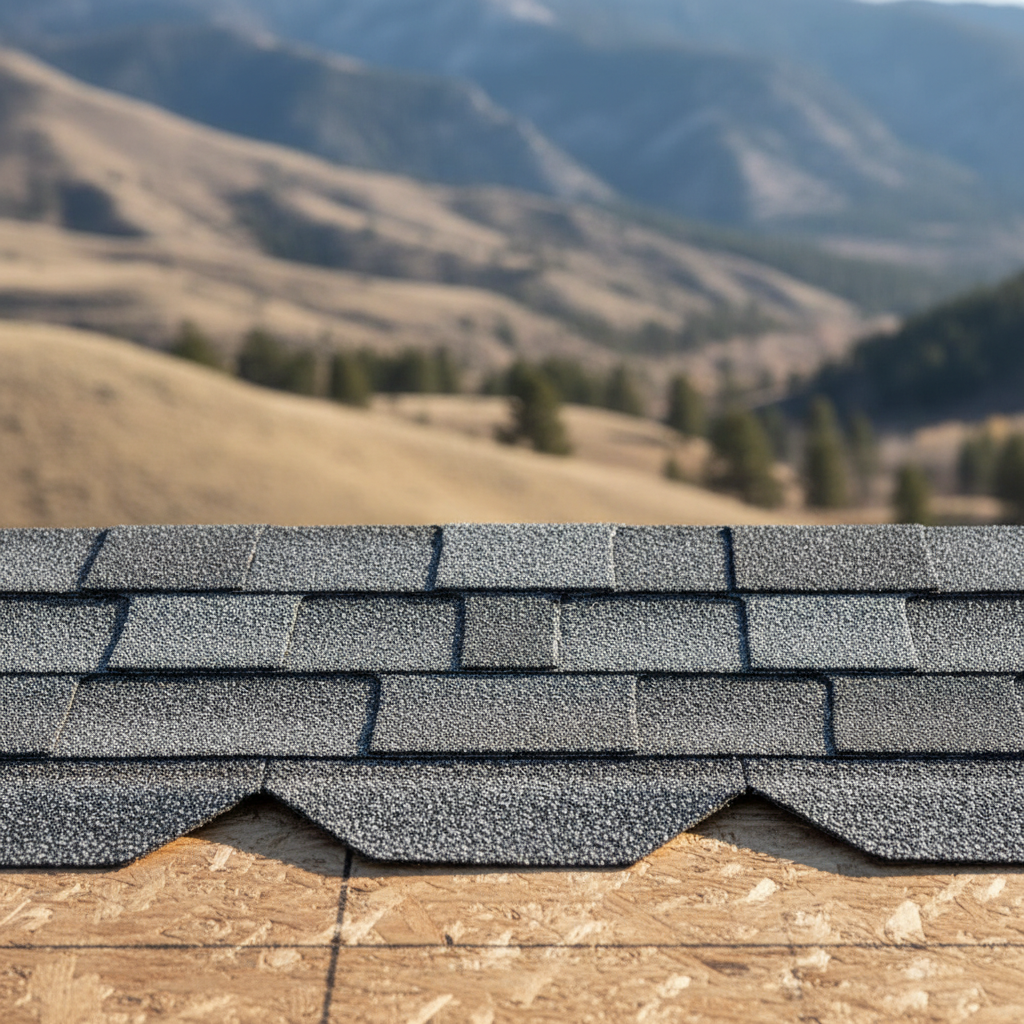
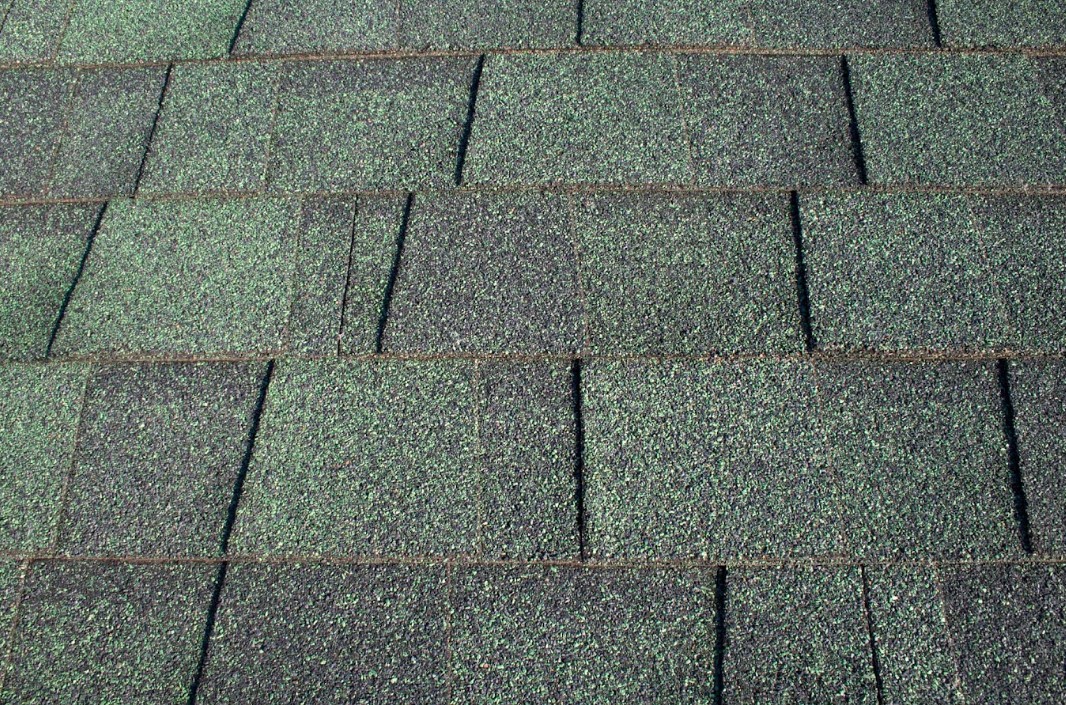
Traditional solar treats roofing and energy as two separate systems. You install a roof, then mount panels on top. With roof-integrated solar, that separation disappears. The roofing material itself becomes the energy-producing surface.
That means:
- The roof and solar system share the same lifespan
- Installation is planned as one coordinated project
- Performance depends on both roofing quality and electrical design
In a climate like the Wasatch Front, this matters. Snow load affects both roofing and solar at the same time. Temperature swings impact expansion and contraction across the entire system. Wind and weather test how well everything is sealed and installed.
Understanding what building-integrated photovoltaics are is really about understanding how your roof functions differently when it becomes part of your energy system.
.png)
What to Plan Before Choosing Solar Shingles or BIPV
Before deciding whether solar shingles and BIPV are the future for your home, the focus should stay on preparation. These systems are not plug-and-play. They require planning at the roofing level.
Roof Replacement Timing Sets the Stage
Because solar shingles replace roofing materials, they are almost always installed during a full roof replacement. If your roof still has years left, a traditional panel system may be the more practical option for now.
Budget Needs to Be Viewed as a Combined Investment
The cost of integrated solar roofing systems is higher upfront. However, part of that cost replaces what you would already spend on roofing materials. The real comparison is not solar vs solar. It is roofing plus solar combined into one system.
Permits and Structural Design Are More Connected
Because roofing and solar are installed together, permitting often involves both structural and electrical considerations. Load calculations, mounting design, and energy production all have to align from the beginning.
Roof Readiness Still Comes First
Even though the system is integrated, the roof still needs to be evaluated. Understanding what your roof needs before going solar is critical, especially when deciding whether a fully integrated system is viable.
If you are unsure where your roof stands, an inspection usually answers that quickly and keeps the decision grounded in reality.
Solar Shingles vs Traditional Solar Panels: Which System Fits the Future of Your Roof?
When comparing solar shingles and BIPV to traditional panels, the conversation should stay focused on one question. Which system fits your property and long-term plans?
Installation Approach Changes the Entire System
Traditional solar panels are mounted onto an existing roof, which means penetrations, mounting hardware, and a layered system. Solar shingles are installed as part of the roofing system itself.
This leads to:
- A more unified structure
- Fewer exposed mounting points
- Greater dependence on proper installation from day one
Because of this, understanding roof requirements before installation becomes even more important when evaluating roof-integrated solar.
Efficiency vs Integration: The Core Tradeoff
Traditional panels still lead in efficiency. They produce more energy per square foot and are easier to optimize for maximum output, especially when comparing different panel types across residential systems.
Solar shingles:
- Produce less energy per square foot
- Require more roof area
- Offer a fully integrated design
This tradeoff is central to understanding the benefits of solar shingles. They prioritize integration over maximum efficiency.
Design and Aesthetics Reflect a Different Priority
One of the main advantages of solar shingle systems is how they look and function as part of the roof.
- No visible rack systems
- Low-profile installation
- Seamless appearance
For homeowners who want solar without changing the visual character of their home, this becomes a deciding factor.
Maintenance and System Coordination
Because solar shingles combine roofing and energy production, maintenance requires a different approach.
- Fewer exposed components can reduce some risks
- Repairs may involve both roofing and electrical work
- Installation quality becomes even more critical
If you are weighing whether this system fits your property, a roof inspection typically brings clarity to that decision.
What to Expect When Installing Solar Shingles and BIPV
Installation is one of the clearest ways solar shingles and BIPV differ from traditional solar.
The process typically involves:
- Removing the existing roof
- Installing new roofing materials with integrated solar components
- Connecting electrical systems as part of the roofing process
This is not an add-on. It is a full system build.
Compared to traditional solar, the timeline can be longer because roofing and solar are happening simultaneously. The result, however, is a system designed to function as a single unit rather than separate layers.
How Much Do Solar Shingles Cost Compared to Traditional Systems?
Cost is one of the biggest considerations when evaluating roof-integrated solar systems.
Solar shingles generally require a higher upfront investment than traditional panels. However, they replace roofing materials, which offsets part of the cost.
The real comparison looks like this:
- Traditional approach: Roof + solar installed separately
- Integrated approach: Roof and solar combined into one system
For homeowners already planning a roof replacement, the difference becomes less about cost alone and more about how the investment is structured.
When Solar Shingles and BIPV Make Sense for Your Property
Not every home is the right fit for solar built directly into the roof, but when the conditions are right, the system solves multiple problems at once.
They tend to make sense when:
- A roof replacement is already planned
- Long-term integration is a priority
- Aesthetics matter as much as performance
- You want a system designed from the start, not added later
They are less ideal when:
- Maximum efficiency is the top priority
- Budget is the main constraint
- Roof space is limited
In most cases, homeowners are not choosing between solar products. They are choosing between system approaches.
Why Solar Shingles and BIPV Are Shaping the Future of Roof-Integrated Solar Systems
The reason solar shingles and BIPV are often described as the future is not because they replace traditional solar. It is because they change how people think about when and how solar is installed.
Instead of adding panels after the fact, homeowners are starting to plan energy production at the same time they plan roofing. As materials improve and installation becomes more refined, integrated solar roofing systems are becoming a more practical option for long-term planning.
This shift is not about trends. It is about aligning roofing and energy decisions from the beginning.
Deep Dive: Long-Term Value and Tradeoffs of Roof-Integrated Solar
Looking beyond installation, the real value of solar shingles and BIPV shows up over time.
Lifespan Alignment Matters
Integrated systems are designed to match the lifespan of your roof. Traditional panels often outlast the materials beneath them, which can create future replacement challenges.
Efficiency vs System Cohesion
Traditional panels deliver higher output. Integrated systems deliver a more unified structure.
Risk Factors Depend on Installation Quality
- Poor installation can affect both roofing and energy performance
- Repairs may require specialized coordination
- Not all contractors are experienced with BIPV systems
Real-World Insight
Most homeowners consider solar shingles during a roof replacement conversation, not during an initial solar inquiry. That timing is what makes the system practical.
Planning for Expansion Still Applies
If you are considering pairing solar with battery storage later, that decision needs to be accounted for early when designing the system.
The takeaway is consistent. The value of roof-integrated solar depends on how well it fits your property and long-term plans.
How Definitive Construction Helps You Plan Roof-Integrated Solar Systems
Choosing solar shingles and BIPV requires more than product knowledge. It requires understanding how your roof and energy system work together.
Definitive Construction starts with a full evaluation of your roof, including structure, lifespan, and layout. From there, the focus shifts to whether an integrated system fits your property and goals.
Because roofing and solar are handled together, the system is designed as one solution. That reduces misalignment and helps ensure the system performs the way it should over time.
The goal is not to push one option. It is to build the right system for your home.
.png)
Are Solar Shingles or BIPV Right for Your Roof? Key Questions Homeowners Ask
Before deciding whether solar shingles or building-integrated photovoltaics fit your property, most homeowners want direct, practical answers. These questions come up consistently when evaluating roof-integrated solar systems and how they compare to traditional options.
Final Thoughts
Solar shingles and building-integrated photovoltaics represent a shift in how solar is approached. Instead of adding panels to a finished roof, they make energy production part of the structure itself.
For some properties, that approach makes more sense. For others, traditional panels still provide better performance and flexibility.
Since 2008, Definitive Construction has guided homeowners across the Wasatch Front in coordinating roofing and solar from the start to ensure long-term system performance.