Monocrystalline vs. Polycrystalline vs. Thin-Film: Which Solar Panel Type Fits Your Property?
May 2, 2026
•
Written By
Definitive Construction
The best solar panel type for your property depends on how your roof, budget, and long-term energy goals align. Monocrystalline panels offer higher efficiency for limited roof space. Polycrystalline panels provide a lower upfront cost when space is available. Thin-film panels serve specific use cases where flexibility or weight matters. The right choice is not about the panel alone. It is about how that panel fits your property as a whole.
On a clear day in South Jordan, solar feels like an easy decision. Strong sun exposure, rising energy costs, and a roof that looks ready to go. But once you start comparing solar panel types, the decision shifts from “should I go solar” to “which system actually fits my property.” That is where most homeowners slow down.
Choosing between monocrystalline vs polycrystalline or evaluating the real benefits of thin-film solar panels is not just a technical comparison. It is a property-specific decision. Your roof, layout, and long-term plans all play a role in determining which system makes sense.
Here is what you will walk away with:
- A clear understanding of the different types of solar panels
- How each option performs based on real property conditions
- What matters most when comparing monocrystalline vs polycrystalline
- When thin-film solar benefits are actually relevant
- How to match the right panel type to your roof
If you want a clear recommendation based on your specific property, Definitive Construction can help.
Understanding Solar Panel Types Through the Lens of Your Property
Before comparing performance, it helps to understand what each panel type is and how it interacts with your home.
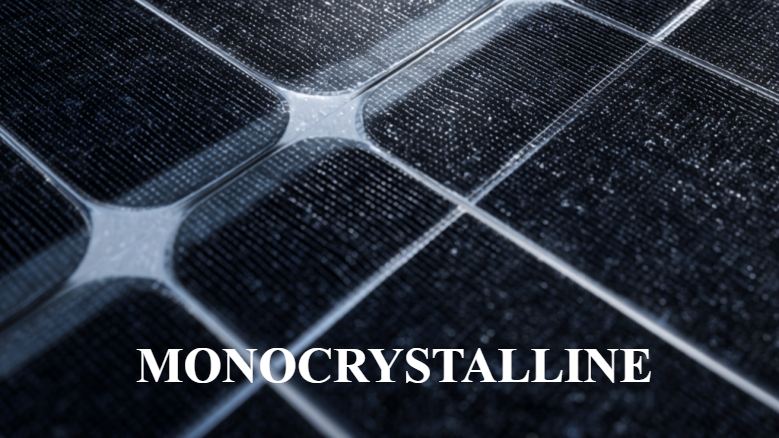
- Monocrystalline panels are built from a single silicon crystal, allowing for higher efficiency and consistent performance in limited space
- Polycrystalline panels are made from multiple silicon fragments, offering a more cost-effective option when space is not a constraint
- Thin-film panels are layered photovoltaic materials designed for flexibility and lightweight applications
On paper, those differences seem straightforward. In practice, they only matter when applied to your property.
In this region, several factors shape how these panel types perform:
- Roof size and usable surface area
- Slope and orientation affecting sun exposure
- Snow load impacting system design
- Seasonal temperature swings affecting efficiency
This is why choosing between different types of solar panels is not about picking the highest-rated option. It is about selecting the system that fits your roof and holds up under local conditions.
What to Evaluate Before Choosing the Right Solar Panel Type
Before comparing monocrystalline vs polycrystalline vs thin-film, the focus should stay on your property. Panel selection only makes sense when the foundation is clear.
Roof Space and Layout Define Your Options
Homes with limited roof space often benefit from higher-efficiency panels. Larger roofs allow more flexibility. This is where understanding what your roof needs before going solar becomes part of choosing the right panel type, not a separate step.
Budget Should Be Viewed Over Time
Upfront cost is only one piece of the equation. Long-term energy production and system lifespan influence overall value.
Energy Goals Shape Panel Selection
If your goal is to offset a portion of your bill, multiple panel types may work. If your goal is maximum production, efficiency becomes more important.
Future Flexibility Matters
Planning for expansion, including options like pairing solar with battery storage, should be considered early. Panel selection affects how easily that can happen later.
At this stage, the decision is not about picking a panel. It is about narrowing down what realistically fits your property.
If you are weighing options but unsure how your roof factors in, a quick inspection usually makes the decision much clearer.
Comparing Monocrystalline vs. Polycrystalline vs. Thin-Film for Real Properties
When comparing solar panel types, the goal is not to find the best panel overall. It is to determine which panel type fits your property based on space, performance needs, and long-term expectations.
Monocrystalline Panels: Best for Limited Space and Higher Output
Monocrystalline panels stand out for efficiency. They produce more power per square foot, which makes them a strong fit for homes where roof space is limited or partially shaded.
For many residential properties, this becomes the deciding factor. When space is tight, efficiency matters more than initial cost. This is why monocrystalline systems are often the better fit when evaluating which solar panel type fits your property.
.png)
Polycrystalline Panels: Best for Larger Roofs and Budget Flexibility
Polycrystalline panels provide a more affordable entry point into solar. While they produce slightly less energy per square foot, they still perform reliably when there is enough space to accommodate additional panels.
For properties with larger, unobstructed roof areas, this tradeoff often works. The system can scale using more panels without requiring higher-cost materials.
In these cases, the decision between monocrystalline vs polycrystalline becomes less about efficiency and more about how your property allows the system to be built.
Thin-Film Panels: Best for Non-Traditional Applications
Thin-film panels operate differently from traditional systems. They are lighter and more flexible, which allows installation on surfaces that cannot support standard panels.
However, lower efficiency means they require significantly more space. For most residential properties, this limits their practicality.
Where thin-film panels do make sense is in specialized situations where weight or surface limitations outweigh efficiency concerns. Understanding the advantages of thin-film solar technology helps clarify why they are less common in residential installations.
Quick Comparison: Matching Panel Types to Property Conditions
To bring the comparison back to your property, here is how each option typically aligns:
- Monocrystalline: Best for smaller roofs, higher energy goals, and maximizing output per square foot
- Polycrystalline: Best for larger roofs where space allows for more panels at a lower cost
- Thin-film: Best for unique surfaces or structural limitations where traditional panels are not practical
This is where the conversation shifts from general comparison to a clear answer. The right panel type is the one that fits your roof and meets your goals without forcing compromises later.
How Your Roof Directly Influences Which Solar Panel Type Fits Your Property
Every panel comparison eventually leads back to the same factor. Your roof determines what works.
If your roof is not properly evaluated, you may choose a panel type that does not fit well or limits system performance. That is why understanding what your roof needs before going solar is part of deciding between monocrystalline vs polycrystalline vs thin-film, not something that happens after.
Some homeowners also explore alternatives where solar becomes part of the roofing system itself. These approaches shift the decision entirely and change how energy is generated.
The key point remains the same. Panel selection should always follow roof evaluation. That is how you ensure the system actually fits your property.
Deep Dive: Long-Term Performance and Real-World Tradeoffs
Looking beyond initial comparisons, the real differences between solar panel types show up over time.
Lifespan and Durability
Monocrystalline panels typically offer the longest lifespan, often reaching 25 to 30 years. Polycrystalline panels follow closely, while thin-film systems vary depending on material and installation.
Performance Under Local Conditions
In this region, snow, heat, and seasonal changes all influence system performance. Higher-quality panels maintain output more consistently, which becomes more noticeable over time.
Real-World Property Insight
Most residential properties do not have unlimited roof space. This is why monocrystalline panels are often the better fit when answering the question of which solar panel type fits your property. Polycrystalline systems still perform well when space allows. Thin-film is rarely used unless the structure requires it.
Planning for Expansion
If you are considering future upgrades, including pairing solar with battery storage in a hybrid system, planning for that now ensures your panel choice does not limit you later.
The takeaway here is simple. Performance is not just about specs. It is about how the system holds up on your property over time.
How Definitive Construction Helps You Choose the Right Solar Panel Type
Choosing between different types of solar panels becomes much clearer when the decision is based on your actual property.
Definitive Construction starts by evaluating your roof, not just recommending panels. That includes structure, lifespan, layout, and how those factors influence system design.
From there, panel recommendations are made based on what fits your home. Not what is most popular, not what is easiest to install, but what aligns with your property and long-term goals.
By coordinating roofing and solar together, the system is designed as a complete solution. That approach removes guesswork and ensures that the panel type you choose actually works for your home.
.png)
Which Solar Panel Type Fits Your Property? Key Questions Homeowners Ask
Before choosing between monocrystalline, polycrystalline, and thin-film panels, most homeowners want clear, direct answers about how each option actually fits their property. These questions come up consistently when narrowing down the right solar panel type.
Final Thoughts
Choosing between monocrystalline vs polycrystalline vs thin-film is not about comparing specs in isolation. It is about answering a more practical question. Which solar panel type actually fits your property?
When roof structure, space, and long-term goals are considered together, the answer becomes much clearer. The right system is the one that works with your home, not against it.
Definitive Construction has been helping homeowners across the Wasatch Front make these decisions since 2008, focusing on aligning roofing and solar from the start so systems perform the way they should.
Schedule your free inspection today.