Solar-Ready Roofing: What to Consider Before Installing Solar Panels on Your Roof
May 1, 2026
•
Written By
Definitive Construction
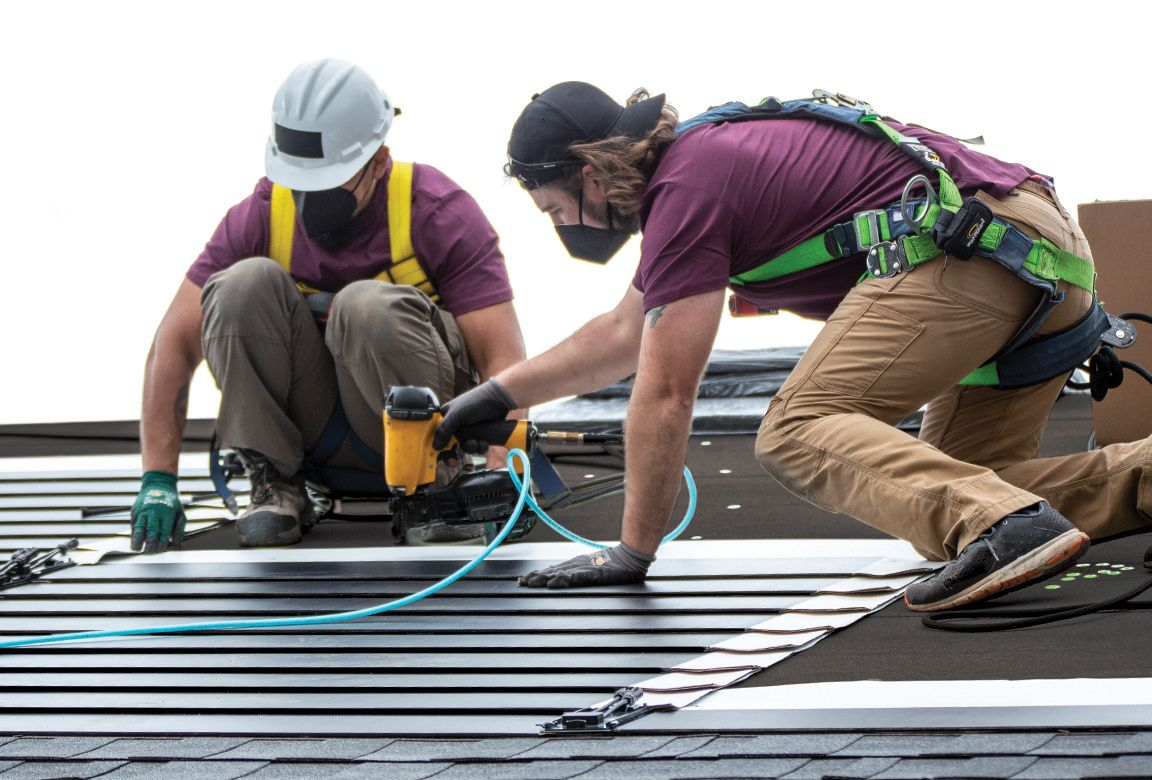
A solar-ready roof is not just a roof that can hold panels. It is a roofing system designed, evaluated, and prepared to support solar panels for their full lifespan without forcing costly adjustments later. In practical terms, that means aligning roof condition, structure, materials, and layout before installation begins. If you skip that step, you are not preparing your roof for solar panels. You are delaying a problem.
Around the Wasatch Front, this matters more than most homeowners expect. Snow loads, wind, and temperature swings all put added stress on both roofing systems and solar hardware. That is why proper roof preparation for solar installation is not optional here. It is the difference between a system that performs for decades and one that needs expensive corrections halfway through its life.
Here is what you need to know before moving forward:
- What actually qualifies as a solar-ready roof
- Why roof condition and lifespan directly impact solar ROI
- How roofing designed for solar panel installation differs from standard roofing
- What steps define proper roof preparation for solar installation
- Where most homeowners make avoidable mistakes
If you want a clear, no-pressure assessment of where your roof stands, Definitive Construction can help.
What “Solar-Ready Roofing” Really Means in This Area
When people hear “solar-ready roofing,” they often think it means having enough space for panels. That is only part of it. A roof that’s ready for solar panels must meet four conditions at the same time: it must be structurally capable, have enough remaining lifespan, allow proper mounting, and be configured for efficient energy production.
In South Jordan and across the Wasatch Front, each of those factors is influenced by local conditions. Snow accumulation adds weight that both the roof and mounting system must handle. Seasonal expansion and contraction affect how materials hold fasteners over time. Wind and hail introduce risk if flashing and penetrations are not installed correctly.
This is why roof preparation for solar is not just a checklist. It is a coordinated evaluation. If any one of these factors is off, the system may still be installed, but it will not perform or last the way it should.
.png)
What You Need to Plan Before Making Your Roof Solar-Ready
Before you start thinking about panels, production, or energy savings, the focus should stay on making your roof solar-ready. That means stepping back and looking at the full picture.
Roof Lifespan vs. Solar Lifespan
Solar panels are designed to last 25 years or more. If your current roof has 8 to 10 years left, installing solar now creates a mismatch. At some point, the panels will need to come off so the roof can be replaced. That is an added cost most homeowners do not plan for.
Budget Alignment
A lot of homeowners treat roofing and solar as separate projects. In reality, they are connected. Combining them often reduces labor redundancy and avoids rework.
Permits and Structural Requirements
Local permitting will require confirmation that your roof can handle the added load. This is not a formality. It directly ties into safety and long-term performance.
Material Compatibility
Not every roofing system works the same with solar. Understanding roofing for solar panels means knowing how different materials handle mounting, sealing, and long-term wear.
At this stage, the goal is simple. Before installing anything, confirm that you are working with a roof that’s ready for solar panels, not one that will need to be revisited.
How to Properly Prepare Your Roof for Solar Panels
Preparing your roof for solar panels is not a single step. It is a sequence. Each part builds on the last, and skipping one usually shows up later as a problem.
Start With a Full Roof Evaluation
Every solar-ready roof begins with an inspection. This includes surface condition, decking integrity, flashing, and ventilation. It is not uncommon to find small issues that are easy to fix now but expensive later.
Align Roofing Material With Solar Installation
Some materials naturally support roofing designed for solar panel installation better than others.
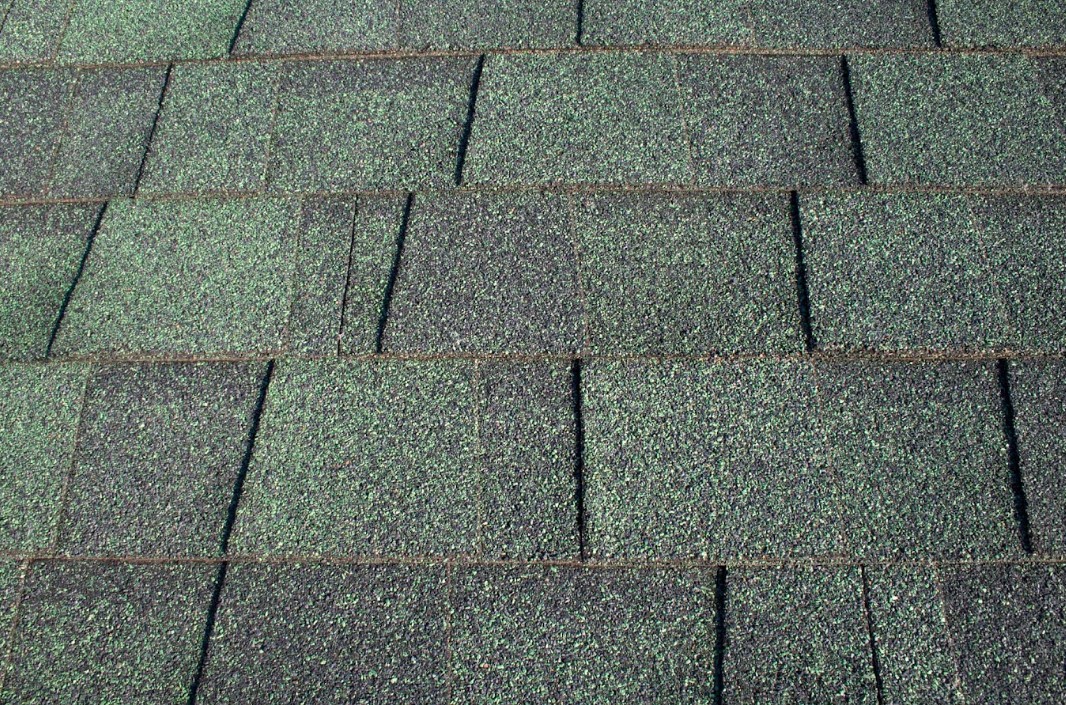
- Asphalt shingles are flexible and widely compatible
- Metal roofing offers durability and fewer penetration concerns
- Tile systems can work, but require specialized handling
If you are comparing systems, it helps to understand how these materials relate to choosing the right solar panel type, since efficiency and mounting approaches vary.
Confirm Structural Load Capacity
A solar-ready roof must support panel weight plus environmental load. In this region, that includes snow. Structural evaluation is not optional. It determines whether reinforcement is needed before installation.
Optimize Layout for Performance
Roof orientation and shading directly affect output. South- and west-facing slopes typically perform best here. Tree coverage and nearby structures should be factored in early, not after installation.
Plan Penetrations and Sealing
Solar installation requires attachment points. Each penetration must be sealed correctly to maintain roof integrity. This is where quality workmanship matters most.
Coordinate Roofing and Solar as One System
This is the step most often missed. Roofing and solar should not operate in separate lanes. A coordinated approach ensures that preparing your roof for solar panels actually results in a system that works together, not two systems that happen to share space.
What Homeowners Overlook When Preparing a Roof for Solar
Even when the intent is right, projects can drift off course when key details are overlooked.
One of the most common scenarios is installing solar on a roof that is already halfway through its lifespan. It works initially, but within a few years, the homeowner is faced with removing and reinstalling panels to address the roof underneath.
Another issue is underestimating environmental stress. Snow load and seasonal movement are not theoretical concerns here. They directly affect how mounting systems perform over time.
There is also the question of future flexibility. Many homeowners are now considering energy storage. Planning ahead for battery storage systems during the roofing and solar preparation phase keeps that option open later.
Each of these points ties back to the same idea. A solar-ready roof is not defined by whether panels can be installed. It is defined by whether they can stay installed without creating future problems.
Cost Considerations When Making Your Roof Solar-Ready
Cost is often discussed in terms of panels and system size, but roofing decisions have just as much impact.
Replacing a roof before installing solar is a known, controlled investment. Waiting and dealing with it later introduces additional labor, including panel removal and reinstallation.
Material choice also plays a role. Higher durability materials may cost more upfront but reduce long-term maintenance and extend the life of the entire system.
From a planning standpoint, proper roof preparation for solar installation is usually the more cost-effective path. It reduces redundancy and keeps the project aligned from the start.
Deep Dive: Roofing Systems That Work Best for Solar
When evaluating the best roofing for solar panels, the goal is not just compatibility. It is longevity and performance under local conditions.
Asphalt Shingle Systems
These are the most common and easiest to integrate with solar. They provide a balanced option between cost and functionality, but they do have a shorter lifespan compared to other materials.
Metal Roofing Systems
Metal roofs are often the strongest match for solar. They handle snow and weather well, last longer, and in some cases reduce the number of penetrations required for mounting.
Flat Roofing Systems
Flat and low-slope systems allow flexibility in panel placement but require careful planning around drainage and system layout.
Each option can support roofing for solar panels, but the right choice depends on how long you plan to stay in the home, your budget, and how you want the system to perform over time.
How Definitive Construction Helps You Get to a Solar-Ready Roof
Preparing a roof for solar panels is not just about installing materials. It is about aligning everything correctly the first time.
Definitive Construction approaches this by starting with a full inspection, including both surface-level and structural evaluation. From there, the focus shifts to lifespan alignment. If the roof and solar system timelines do not match, that gets addressed upfront.
Material recommendations are based on actual conditions, not templates. Some homes benefit from simple upgrades. Others require full replacement to create a true solar-ready roof.
Coordination is where most of the value comes in. By handling both roofing and solar considerations together, the process avoids gaps that typically lead to problems later. For homeowners dealing with storm damage, insurance often plays a role. That is built into the process as well.
The end result is not just a completed project. It is a roof that was prepared correctly for what comes next.
.png)
Solar-Ready Roofing Questions Homeowners Ask Before Installing Panels
Before moving forward, most homeowners want clear answers about what it actually takes to prepare a roof for solar. These are the questions that come up most often when evaluating a solar-ready roof in this area.
Final Thoughts
A solar-ready roof is the foundation for everything that comes after. If it is done right, solar panels perform the way they are supposed to, without added cost or disruption down the road.
Definitive Construction has been working on roofing and solar systems across the Wasatch Front since 2008, focusing on getting the details right from the beginning. No shortcuts. No unnecessary complications. Just a clear path to a roof that is ready for what comes next.
Schedule your free inspection today.
Recent Articles
Residential Roofing
GAF vs. Owens Corning vs. CertainTeed: Which Shingle Brand Is Right for Your Utah Roof?
Comparing GAF, Owens Corning, and CertainTeed shingles for Utah homes, covering warranty terms, hail resistance, and pricing, from a GAF Master Elite and CertainTeed Select ShingleMaster contractor.
September 9, 2026
Residential Roofing
How to Tell If Your Roof Has Hail Damage After a Utah Summer Storm
Hail damage on a roof can appear as displaced shingle granules, bruised or fractured asphalt shingles, dents in gutters or vents, cracked roofing materials, damaged flashing, and new leaks after the storm.
August 5, 2026

Residential Roofing
How Long Does a Roof Really Last in South Jordan? A Material-by-Material Breakdown
An asphalt shingle roof in Utah usually lasts about 18 to 22 years. That range depends on material quality, ventilation, storm exposure, and installation. Different roofing materials age differently. Some are easy to repair.
July 1, 2026

Residential Roofing
Whole-Home Protection Plan: Coordinating Roof, Gutter, Siding, and Solar Maintenance
A whole-home protection plan is not about overcomplicating homeownership. It is about understanding how roofing, gutters, siding, solar systems, drainage pathways, and ventilation systems work together to protect the home year-round.
June 11, 2026