
Hybrid Solar Systems Explained: How to Combine Solar, Battery Storage, and the Grid
May 4, 2026
•
Written By
Definitive Construction
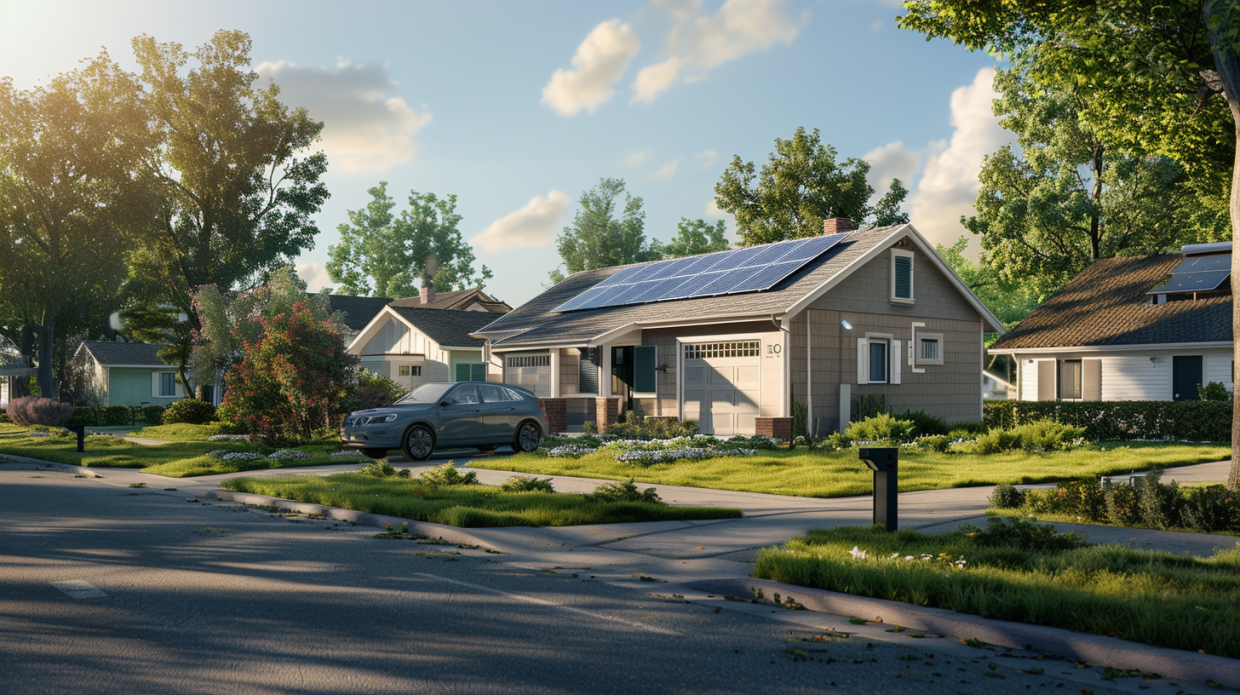
A hybrid solar system combines solar panels, battery storage, and a grid connection into one coordinated setup. It allows your home to generate energy during the day, store excess power for later, and rely on the grid when needed. When done correctly, it is not just a solar upgrade. It is a complete energy system built around how your home actually uses power.
In South Jordan, where summer demand spikes and winter storms can interrupt service, the question is no longer just “should I install solar.” It becomes “how should I combine solar, battery storage, and the grid so the system actually works for my property long term.” That is exactly what hybrid solar systems are designed to solve.
Here is what this guide will walk you through:
- How hybrid solar systems work as a complete system, not separate parts
- What changes when you start combining solar with battery storage
- How a grid-tied solar setup fits into the bigger picture
- What to plan before installing a hybrid system
- How to decide if this setup fits your property and goals
If you want to understand how this system would actually perform on your home, Definitive Construction can help.
Understanding Hybrid Solar Systems as a Complete Energy System
To understand hybrid solar systems, you have to look at how solar, battery storage, and the grid work together, not individually.
A standard grid-tied solar system produces energy during the day and sends excess power back to the grid. It works efficiently, but it does not store energy. When the sun goes down or the grid goes offline, that system has limits.
A hybrid system changes that by integrating three components:
- Solar panels for production
- Battery storage for energy retention
- Grid connection for backup and flexibility
This combination allows energy to move where it is needed, when it is needed.
In a climate like the Wasatch Front, this matters because:
- Summer heat increases daytime usage and costs
- Winter storms can disrupt grid reliability
- Energy usage shifts throughout the year
Understanding how hybrid solar systems work means understanding how your home manages energy across all conditions, not just ideal ones.
.png)
What to Plan Before Combining Solar, Battery Storage, and the Grid
Before installing a hybrid system, the focus should stay on preparation. The success of solar and battery storage systems depends on how well they are planned at the property level.
Roof and Solar Readiness Still Come First
Even though the system includes storage, it still starts with the roof. Understanding what your roof needs before going solar is critical because it determines system placement, lifespan alignment, and long-term performance.
Budget Is About the Entire System, Not Just Panels
Hybrid systems cost more because they include battery storage. Planning for solar and storage together avoids undersizing or needing upgrades later.
Permits and Grid Coordination Matter More
Because the system is connected to the grid and includes energy storage, permitting is more involved. Utility coordination also plays a role in how energy is exported and used.
Energy Goals Define the System
Whether you want backup power, cost savings, or long-term independence will shape how the system is designed. This is where hybrid systems differ from standard solar. They are built around how you want to use energy, not just how to produce it.
If you are unsure how your roof and energy goals align, a full inspection usually makes the direction clear.
How Hybrid Solar Systems Work: Combining Production, Storage, and Grid Support
To fully understand how hybrid solar systems work, it helps to follow how energy moves through the system over a full day.
Solar Panels Produce Energy During the Day
Your system generates electricity during daylight hours, just like a traditional setup.
Your Home Uses Solar Energy First
The system prioritizes using solar energy in real time to reduce reliance on the grid.
Excess Energy Is Stored Instead of Lost
When production exceeds usage, the system stores that energy in a battery instead of sending all of it back to the grid.
Stored Energy Is Used When Production Drops
At night or during low production periods, the system pulls from stored energy first.
The Grid Remains Part of the System
When solar and battery power are not enough, the system draws from the grid. This is what separates hybrid systems from off-grid setups. The grid is still part of the equation.
This is the core of integrating solar panels with battery storage. It creates a system that adapts to your usage instead of forcing you to adapt to it.
Common Hybrid Solar System Configurations and How They Fit Your Property
Not all hybrid solar systems are built the same. The configuration depends on how you want to balance solar production, battery storage, and grid reliance.
Solar + Battery + Grid (Standard Hybrid Setup)
This is the most common configuration. Solar powers the home, excess energy is stored, and the grid provides backup when needed.
Solar + Battery (Reduced Grid Dependence)
Some systems are designed to minimize grid use as much as possible, relying more heavily on storage.
Backup-Focused Hybrid Systems
These systems prioritize battery storage for outages rather than full-time energy independence.
Each setup answers a different question. Do you want savings, reliability, or control? The configuration determines how well the system fits your property.
Hybrid vs Grid-Tied vs Off-Grid: Choosing the Right Way to Combine Solar and Storage
When deciding how to approach solar, the comparison is not just about panels. It is about how the system is structured.
Grid-Tied Solar Systems
- Lower upfront cost
- No energy storage
- Fully dependent on the grid during outages
Hybrid Solar Systems
- Higher upfront investment
- Includes battery storage
- Balances independence and flexibility
Off-Grid Systems
- No connection to the grid
- Requires larger system design
- Designed for full independence
For most properties, hybrid systems offer the most practical balance. They combine solar, battery storage, and grid support without requiring a fully off-grid setup.
Panel selection also plays a role in how well this system performs, especially when evaluating different panel types and how they impact production and storage efficiency.
When Hybrid Solar Systems Make Sense — and When They Don’t
Not every home needs a hybrid system. The decision comes down to how you want to combine solar, battery storage, and the grid.
When Hybrid Systems Make Sense
- You want backup power during outages
- You want to reduce reliance on the grid
- You want to store excess energy for later use
- You want more control over your energy usage
When They May Not Make Sense
- You are focused on the lowest upfront cost
- You are comfortable relying entirely on the grid
- Your energy usage is relatively low
Most homeowners who choose hybrid systems are prioritizing reliability and flexibility, not just savings.
What to Expect When Installing a Hybrid Solar System
Installing a hybrid system involves more coordination than standard solar because it combines multiple components into one system.
- Solar panels are installed and connected
- Battery storage is integrated into the system
- Electrical infrastructure may be upgraded
- The system is connected to the grid and inspected
The process takes longer than a basic installation because it is not just about adding panels. It is about building a system that combines production, storage, and grid interaction into one working solution.
How Much Hybrid Solar Systems Cost and What Drives the Investment
Cost is one of the most important factors when evaluating solar and battery storage systems.
Hybrid systems cost more than standard grid-tied systems because of battery storage. The battery is the primary cost driver.
However, the comparison should not be limited to upfront cost. It should include:
- Long-term energy savings
- Backup capability
- Reduced reliance on the grid
For homeowners focused on reliability and control, the added investment often aligns with long-term value.
Deep Dive: Long-Term Performance of Solar, Storage, and Grid Integration
The value of hybrid solar systems becomes clearer over time.
Energy Control Becomes More Important
Hybrid systems allow you to decide when energy is used, stored, or pulled from the grid.
Battery Lifespan Is Part of the System Plan
Most batteries last 10 to 15 years. Planning for replacement is part of long-term system design.
Local Conditions Influence Performance
- Snow can reduce production temporarily
- Batteries provide stability during low production
- Seasonal demand changes increase the value of storage
Real-World Insight
Most homeowners who move to hybrid systems are responding to outages or rising energy costs. The decision is usually about control and reliability, not just efficiency.
Pros and Cons of Hybrid Systems
Pros:
- Backup power during outages
- Reduced grid dependence
- Greater control over energy use
Cons:
- Higher upfront cost
- Battery replacement over time
- More complex system design
The key is not whether hybrid systems are better. It is whether they fit how your property uses energy.
How Definitive Construction Helps You Combine Solar, Battery Storage, and the Grid
Designing a hybrid system requires more than selecting components. It requires aligning your roof, solar production, and storage into one plan.
Definitive Construction starts with a full evaluation of your roof and energy usage. From there, the system is designed to balance production, storage, and grid interaction.
Because roofing and solar are handled together, the system is built as a complete solution. That reduces the risk of misalignment and ensures long-term performance.
The goal is simple. Combine solar, battery storage, and the grid in a way that actually works for your home.
%20(1).png)
How Hybrid Solar Systems Work With Your Property: Key Questions Homeowners Ask
Before deciding how to combine solar panels, battery storage, and the grid, most homeowners want clear, practical answers about how hybrid systems actually function on their property. These are the most common questions that come up when evaluating whether a hybrid solar system is the right fit.
Final Thoughts
Hybrid solar systems are not just about adding battery storage. They are about combining solar, storage, and grid connection into a system that fits how your home uses energy.
For some properties, that added control and reliability makes a significant difference. For others, a simpler system may still be the better fit.
Definitive Construction has served homeowners across the Wasatch Front since 2008, focusing on building systems where roofing, solar, and energy goals are aligned from the beginning.
Schedule your free inspection today.