
What Workmanship and Manufacturer Warranties Really Mean for Your New Roof
February 24, 2026
•
Written By

You’d think a new roof would come with peace of mind built in, but then the paperwork lands on your kitchen counter. Warranties. Pages of them. And suddenly, you’re knee-deep in legal language trying to figure out who covers what if something goes wrong. That’s where we come in.
If you’ve ever wondered about the difference between a workmanship warranty vs manufacturer warranty, this is your straightforward roofing warranty guide. Around Salt Lake City and throughout the Wasatch Front, our weather has range. Heat, hail, ice, wind. And not all roof warranties are built to handle that range the same way.
This article walks you through how roof guarantees actually work so you can know what to expect, what’s covered, and where the gaps might be hiding. No scare tactics. No sales pitch. Just the stuff you actually need to know.
Here’s what we’ll cover:
- What a workmanship warranty is and why it matters more than most people think
- What a manufacturer warranty covers (and doesn’t)
- How to read between the lines of roof warranty coverage
- How to choose the right warranty for your home
- What we offer at Definitive Construction to make all this easier
Want to talk it through? Schedule a free inspection with us and we’ll go over your roof and your warranty options, no pressure.
What Is a Workmanship Warranty, Really?
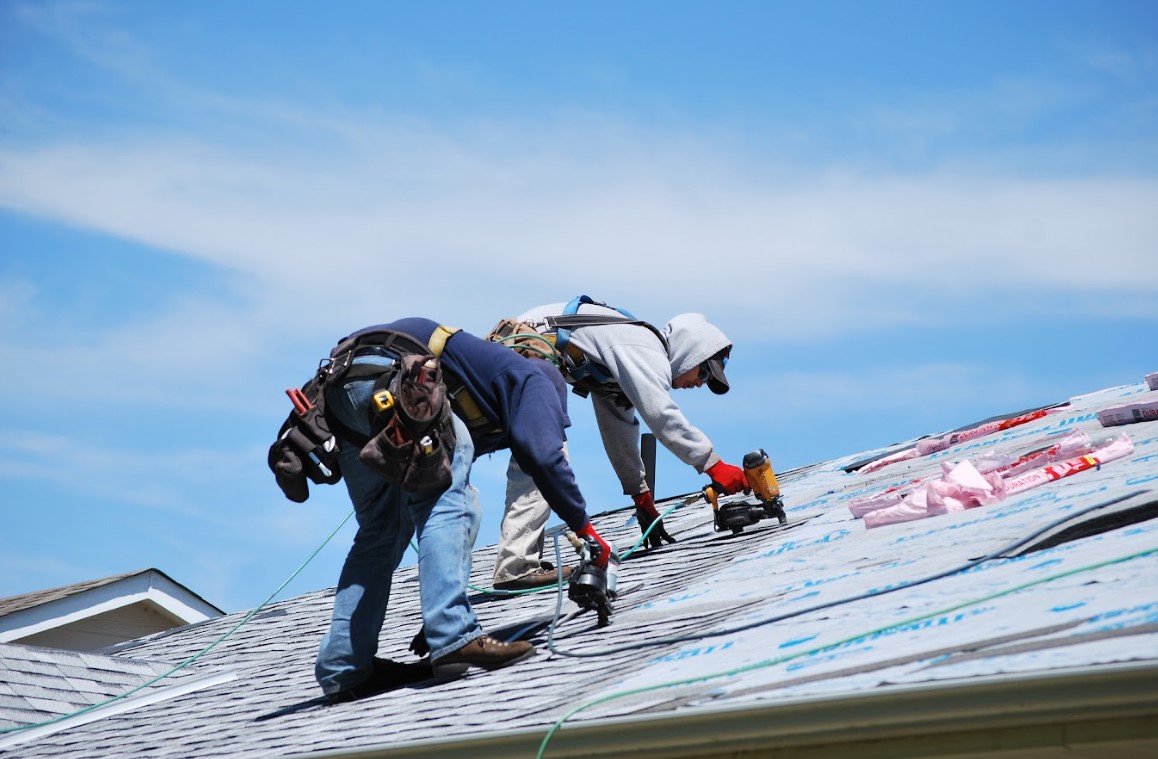
A workmanship warranty is your roofer’s promise to fix anything that goes wrong because of how the roof was installed. Not a defective shingle. We’ll get to that. The human part of the job.
This kind of warranty matters more than most folks realize. You can buy the best shingles on the market, but if they’re nailed wrong, flashed incorrectly, or installed without proper ventilation, you’ll end up with problems. And if you don’t have solid workmanship coverage, the fix might be on your dime.
What It Usually Covers
- Labor to fix leaks or issues caused by poor installation
- Sometimes includes the cost of replacement materials
- Often limited to a specific number of years unless you’re working with someone like us. We offer lifetime workmanship warranties on qualifying jobs.
What It Doesn’t Cover
- Storm damage (that’s an insurance thing)
- Manufacturer defects (the shingle maker handles that)
- Modifications made by someone else after the install
- Sometimes does not include tear-off or disposal costs
Bottom line: This is the warranty that covers how your roof was put together. And since installation is where most roofing failures happen, it is not something to skip over.
What’s a Manufacturer Warranty?
This is the one that comes from the company that made your shingles, underlayment, or other materials. A manufacturer roof warranty is all about the quality of the product itself. Not how it was installed.
Basic Manufacturer Warranties
- Cover defective materials, usually just the shingles
- Often prorated over time, meaning coverage gets weaker as your roof gets older
- Usually do not cover labor, tear-off, or disposal
Premium Manufacturer Warranties
- Typically include labor and sometimes workmanship (if installed by a certified contractor)
- Cover the full roofing system, not just shingles
- May include tear-off and disposal
- Often transferable if you sell your home
Want the good version? You’ll need to hire a certified roofer. We’re certified with GAF, CertainTeed, and TAMKO, so if premium protection is your thing, we have you covered.

Roofing Warranties Explained: Side by Side
Think of it this way. The manufacturer covers the parts, and the contractor covers the assembly. Both matter.
What’s Not Covered in Most Roof Warranties
Most warranties do not cover:
- Ventilation problems
- Decking or structural issues
- Pipe boots, flashing, and accessories
- Storm damage
That’s why reviewing warranties with a knowledgeable contractor matters.
Why Most Roofing Issues Come Down to Workmanship
After years in this business, we can say with confidence that many roof problems start with installation mistakes. Misplaced nails. Skipped flashing. Shortcuts in ventilation. Rarely is it the shingle’s fault.
That’s why we recommend asking:
- How long is your workmanship warranty?
- What exactly does it cover?
- Is it transferable?
- Are you certified for premium manufacturer warranties?
Straight answers matter.
Why Certified Installers Matter
Manufacturers only allow certified contractors to offer premium warranties. Certification means training, inspections, and accountability.
It also means:
- Better warranty options
- Proper installation
- Stronger protection if something goes wrong
Definitive Construction is GAF Master Elite, CertainTeed Select ShingleMaster, and TAMKO Pro Certified. We have been serving Utah homeowners since 2008.
How to Choose the Right Roofing Warranty
- Look for lifetime or long-term workmanship coverage
- Ask if labor and materials are both included
- Confirm tear-off and disposal coverage
- Verify contractor certifications
- Understand proration and transferability
Roof Warranty FAQs for Salt Lake City Homeowners
Still have questions about how roof warranties work or what applies to your home in the Wasatch Front? Here are some common ones we hear from homeowners, answered in plain terms.
What’s the difference between a workmanship and manufacturer roof warranty?
The difference between a workmanship and manufacturer warranty is who stands behind what. A workmanship warranty is provided by the contractor and covers installation errors. A manufacturer warranty comes from the material supplier and covers defects in the roofing products themselves.
How long do roof warranties usually last?
Roof warranties usually last anywhere from 10 to 50 years, depending on the type. Manufacturer warranties often range from 25 to lifetime (sometimes prorated), while workmanship warranties can be one year or lifetime, depending on the contractor. At Definitive Construction, qualifying installs come with lifetime workmanship coverage.
Is storm damage covered by a roof warranty?
Storm damage is not covered by a standard roof warranty. Most roof warranties specifically exclude damage from wind, hail, or other weather events. That type of damage typically falls under your homeowner’s insurance policy.
Do I need a certified roofer to get a better warranty?
You do need a certified roofer to qualify for extended or premium manufacturer warranties. Manufacturers like GAF and CertainTeed only offer their best warranties through contractors who’ve met training and quality standards — which Definitive Construction has.
What can void my roof warranty?
Several things can void a roof warranty, including improper installation, poor attic ventilation, unapproved repairs, or failure to maintain the roof. That’s why it’s important to review the fine print and work with a certified, transparent contractor.
Can I transfer my roof warranty if I sell my home?
Some roof warranties are transferable, but it depends on the product and provider. Many premium warranties allow one-time transfers within a certain time window. Be sure to check the terms before you list your home.
Choosing a Roof Warranty That Actually Works for You
The best roof warranty is the one that covers the problems you're most likely to face—and comes from people who actually stand behind their work.
At Definitive Construction, we don’t just install roofing systems across the Wasatch Front. We explain warranty terms clearly, avoid fine-print surprises, and back qualifying installs with lifetime workmanship warranties because we believe in getting it right the first time.
If you're unsure what coverage you have or want a second opinion on your options, we’re happy to help. Call us at (801) 252-5124, email us at info@definitiveconstruction.com, or schedule a free roof inspection anytime at definitiveconstruction.com.
Recent Articles
Residential Roofing
GAF vs. Owens Corning vs. CertainTeed: Which Shingle Brand Is Right for Your Utah Roof?
Comparing GAF, Owens Corning, and CertainTeed shingles for Utah homes, covering warranty terms, hail resistance, and pricing, from a GAF Master Elite and CertainTeed Select ShingleMaster contractor.
September 9, 2026
Residential Roofing
How to Tell If Your Roof Has Hail Damage After a Utah Summer Storm
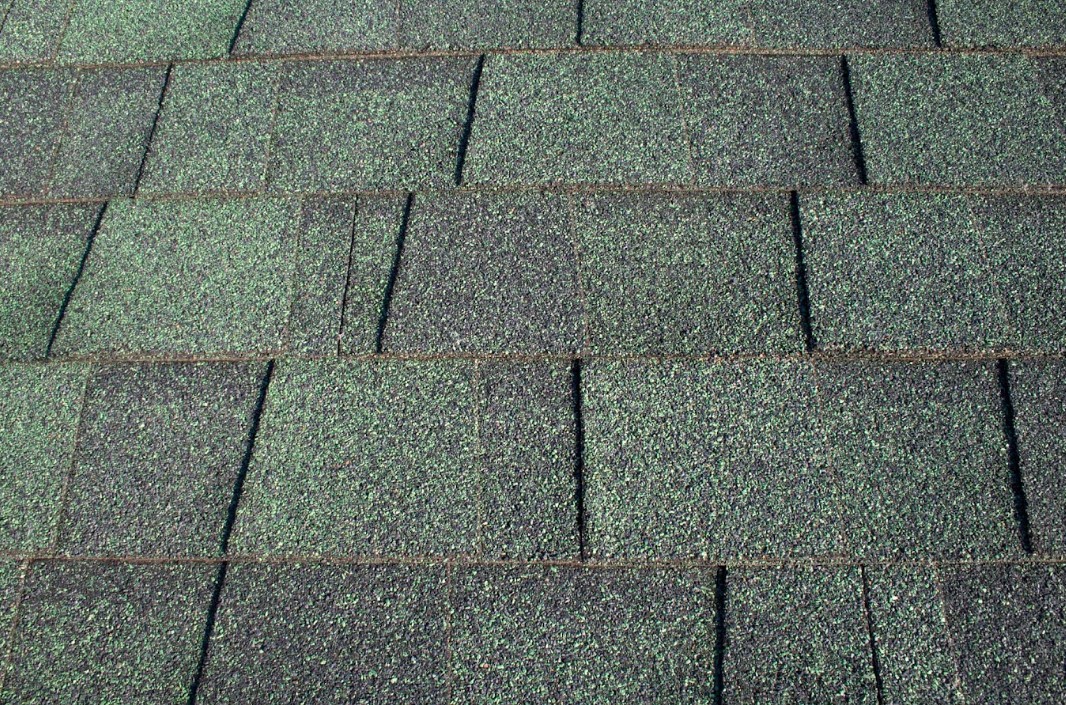
Hail damage on a roof can appear as displaced shingle granules, bruised or fractured asphalt shingles, dents in gutters or vents, cracked roofing materials, damaged flashing, and new leaks after the storm.
August 5, 2026

Residential Roofing
How Long Does a Roof Really Last in South Jordan? A Material-by-Material Breakdown
An asphalt shingle roof in Utah usually lasts about 18 to 22 years. That range depends on material quality, ventilation, storm exposure, and installation. Different roofing materials age differently. Some are easy to repair.
July 1, 2026

Residential Roofing
Whole-Home Protection Plan: Coordinating Roof, Gutter, Siding, and Solar Maintenance
A whole-home protection plan is not about overcomplicating homeownership. It is about understanding how roofing, gutters, siding, solar systems, drainage pathways, and ventilation systems work together to protect the home year-round.
June 11, 2026