Whole-Home Protection Plan: Coordinating Roof, Gutter, Siding, and Solar Maintenance
June 11, 2026
•
Written By
Definitive Construction

Most exterior problems do not begin with a major failure. They usually start with smaller issues that quietly affect the systems around them. A clogged gutter begins overflowing near roof edges. Flashing around a solar mount starts separating after repeated freeze-thaw cycles. Moisture works behind siding after drainage problems go unnoticed for too long.
That is why coordinated exterior home maintenance matters for Utah homeowners. Roofing systems, gutters, siding, drainage pathways, ventilation, and solar installations all work together to protect the home from moisture intrusion, weather exposure, and long-term structural wear. When one system begins underperforming, surrounding systems often experience added stress as well.
A whole-home protection plan is not about overcomplicating homeownership. It is about understanding how exterior systems function together so smaller maintenance concerns do not gradually become expensive repairs later. The goal is protecting how the entire exterior system performs year-round instead of only reacting once visible damage appears.
Across the Wasatch Front, homeowners regularly deal with:
- Utah snow loads
- Canyon winds
- Hailstorms
- Freeze-thaw cycles
- Heavy spring runoff
- High UV exposure at elevation
- Rapid seasonal temperature swings
Those conditions place continuous pressure on exterior systems throughout the year. Without coordinated maintenance, even smaller drainage or roofing issues may eventually affect siding performance, attic moisture conditions, solar mounting areas, or long-term energy efficiency.
In this guide, we’ll cover:
- Why exterior systems should be maintained together
- How gutters affect roof lifespan and drainage performance
- Why roof and solar maintenance should stay coordinated
- How siding helps protect against moisture intrusion
- What a coordinated maintenance plan should include
- The biggest exterior maintenance challenges in Utah
- How seasonal maintenance supports long-term protection
- What professional whole-home inspections typically evaluate
If your home exterior systems have not been evaluated recently, Definitive Construction can help with coordinated roofing, gutter, siding, and solar inspections designed specifically for Utah weather conditions.
Why Exterior Systems Should Work Together in a Whole-Home Protection Plan
Many homeowners think about roofing, gutters, siding, and solar systems separately. In reality, these systems work together to manage drainage, airflow, insulation performance, and weather exposure.
That connection becomes especially important throughout the Wasatch Front because exterior systems rarely fail independently. Problems that begin in one area often place stress on surrounding systems long before visible interior damage appears.
For example:
- Overflowing gutters may saturate fascia and siding
- Poor roof drainage may increase moisture exposure near solar penetrations
- Ventilation issues may accelerate roofing wear beneath solar panels
- Damaged siding may allow moisture intrusion after gutter overflow
- Improper drainage may contribute to ice-related roof stress during winter
When exterior systems are maintained separately without considering how they interact, smaller vulnerabilities often go unnoticed until more expensive repairs become necessary.
That is why coordinated home maintenance focuses on evaluating how systems perform together instead of treating roofing, gutters, siding, and solar as unrelated components. A whole-home protection plan helps homeowners understand how moisture, drainage, airflow, and weather exposure move across the exterior system instead of only responding to isolated problems.
Coordinated Maintenance Helps Prevent Expensive Repairs Across Multiple Systems
One of the biggest advantages of preventative maintenance is identifying smaller issues before they begin affecting surrounding systems.
Professional inspections often reveal:
- Early flashing wear
- Drainage concerns
- Moisture-prone areas
- Ventilation problems
- Debris buildup
- Roofing wear near solar mounting systems
Addressing those issues early often helps homeowners avoid:
- Emergency leak repairs
- Structural moisture damage
- Premature roofing replacement
- Siding deterioration
- Drainage failures
- Moisture exposure near solar penetrations
This is one reason proactive maintenance usually costs far less than reactive repairs after major damage develops.
What a Coordinated Exterior Maintenance Plan Should Include
A whole-home protection plan works best when maintenance stays proactive instead of reactive.
Rather than waiting for visible leaks or drainage failures, coordinated maintenance plans focus on evaluating how roofing, gutters, siding, and solar systems are aging together throughout the year. This creates a more organized approach to protecting the home before isolated maintenance concerns begin spreading into larger repairs.
A coordinated maintenance plan may include:
- Annual or seasonal roof inspections
- Gutter cleaning and drainage evaluations
- Solar mounting and flashing inspections
- Siding and trim assessments
- Attic ventilation reviews
- Storm damage evaluations
- Debris removal after severe weather
- Sealant and flashing checks near penetrations
This type of planning helps homeowners better understand how exterior systems affect one another over time while creating a clearer long-term maintenance strategy.
For example, scheduling roofing and solar inspections together may help identify drainage concerns around panel mounting areas before moisture begins affecting surrounding roofing materials. Likewise, regular gutter maintenance may help reduce siding exposure and roof edge deterioration before winter weather increases stress on those areas further.
How Gutters Affect Roof Lifespan and Drainage Performance
Gutters do far more than move rainwater away from the roof edge. They help protect roofing systems, siding, fascia boards, foundations, and exterior drainage pathways.
When gutters begin underperforming, surrounding systems often experience additional stress as well. That is why gutter maintenance plays such an important role in a coordinated exterior maintenance plan.
Poor Drainage Can Accelerate Roofing Deterioration
Clogged or improperly sloped gutters may redirect water beneath shingles, around flashing, or toward vulnerable roof transitions.
Over time, poor drainage may contribute to:
- Roof edge deterioration
- Fascia damage
- Moisture intrusion
- Ice dam formation
- Underlayment wear
- Overflow near siding systems
That risk increases during Utah winters when snowmelt and freeze-thaw conditions repeatedly stress drainage systems.
Gutter Maintenance Helps Protect Multiple Exterior Systems
Routine gutter maintenance supports:
- Proper roof drainage
- Siding protection
- Foundation drainage
- Soffit and fascia performance
- Reduced standing water near rooflines
This is one reason roof, gutter, and solar maintenance plans often include drainage evaluations as part of larger exterior inspections.
Why Roofing and Solar Maintenance Must Be Coordinated
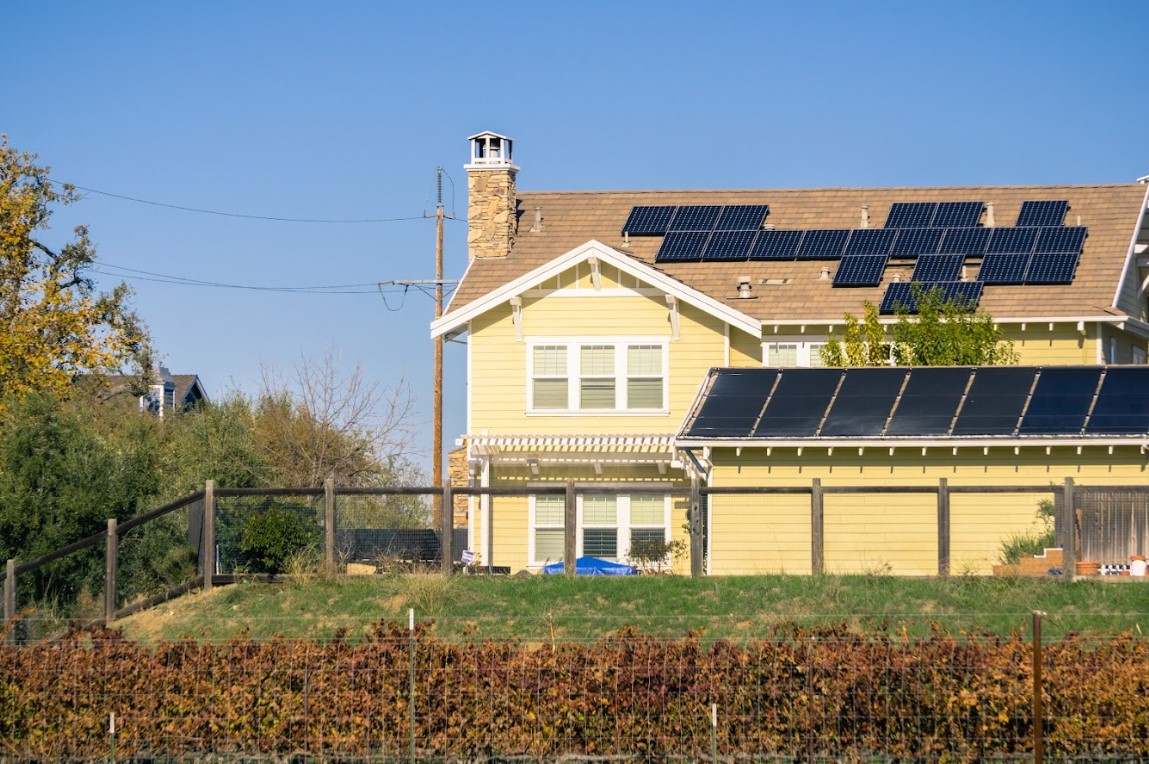
Solar systems rely heavily on the roofing system beneath them remaining stable, watertight, and structurally sound.
That is why roof and solar maintenance should always be coordinated instead of treated as separate services. A whole-home protection plan works best when roofing performance and solar integration are evaluated together because both systems directly affect long-term moisture protection and drainage management.
Solar Mounting Areas Require Ongoing Flashing Protection
Solar mounting penetrations depend on properly functioning flashing systems to prevent moisture intrusion.
Professional inspections should evaluate:
- Flashing integrity
- Sealant condition
- Drainage flow around panels
- Roofing wear near mounting points
- Debris accumulation beneath solar systems
Without coordinated inspections, smaller vulnerabilities near mounting systems may go unnoticed for extended periods.
Roofing Conditions Affect Long-Term Solar Performance
Roofing systems experiencing moisture intrusion, drainage problems, or ventilation concerns may also affect the surrounding solar installation over time.
For example:
- Excess moisture may accelerate material deterioration near mounts
- Debris buildup beneath panels may affect drainage pathways
- Roofing wear may complicate future solar servicing or reroofing projects
This is one of Definitive Construction’s biggest differentiators. Coordinated roofing and solar expertise helps homeowners avoid the communication gaps that often happen when multiple contractors evaluate connected systems separately.
Coordinating Roofing and Solar Projects Often Reduces Long-Term Costs
One of the most common long-term planning mistakes homeowners make is treating roofing and solar projects as unrelated upgrades.
Installing solar panels on a roof already nearing replacement age may eventually require panel removal and reinstallation during reroofing. Likewise, delaying drainage repairs around solar systems may contribute to avoidable moisture exposure near mounting areas.
Coordinating projects together often helps reduce:
- Duplicate labor costs
- Future tear-offs
- Project interruptions
- Long-term maintenance complications
This is one reason whole-home protection plans focus on long-term exterior strategy instead of isolated repairs.
Siding’s Role in Moisture Protection and Energy Efficiency
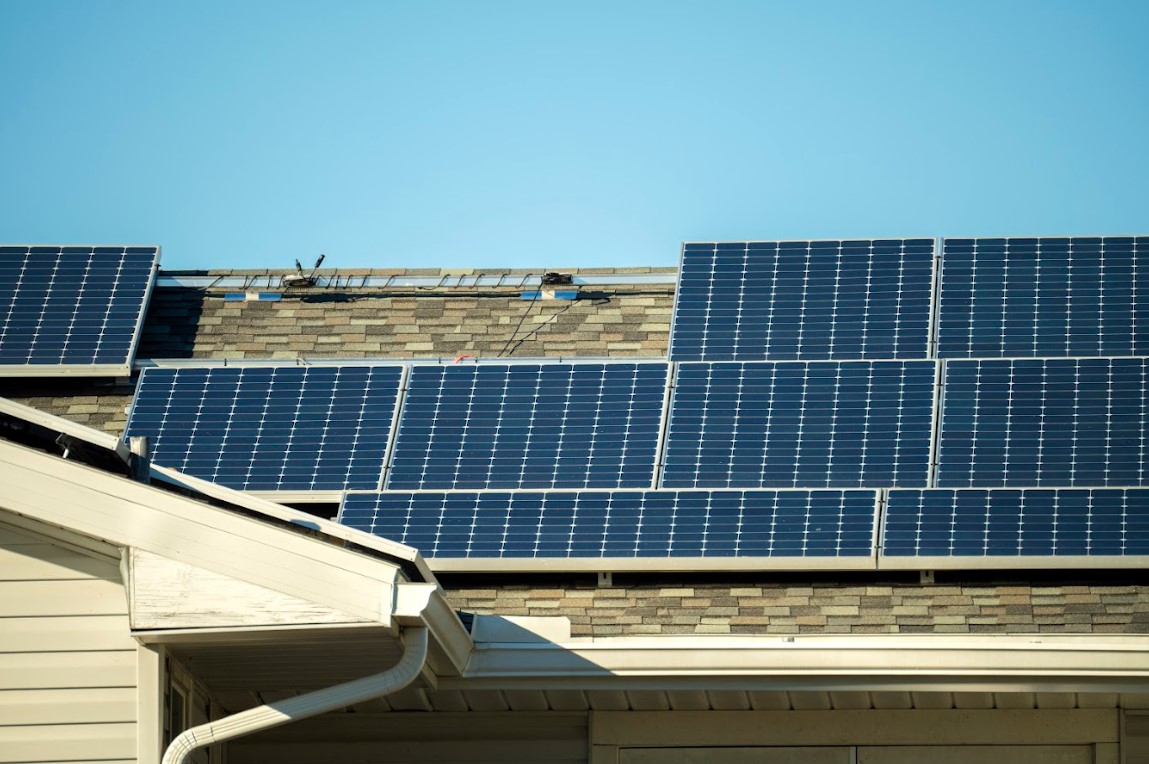
Siding is one of the most overlooked parts of a coordinated maintenance plan.
Many homeowners only think about siding cosmetically, but siding also helps protect wall systems from moisture intrusion, airflow issues, and weather exposure. Within a whole-home protection plan, siding performance directly affects how well the home manages moisture and energy efficiency over time.
Damaged Siding May Allow Hidden Moisture Intrusion
Cracked panels, failed caulking, loose trim, or drainage overflow may allow moisture behind siding systems long before visible damage appears indoors.
Over time, that exposure may contribute to:
- Hidden wall moisture
- Insulation problems
- Interior humidity concerns
- Reduced energy efficiency
- Material deterioration
That risk increases when roofing or gutter systems nearby are already underperforming.
Coordinated Maintenance Helps Support Energy Performance
Roofing ventilation, siding performance, insulation conditions, and solar efficiency all contribute to how the home manages temperature and energy use.
When one exterior system becomes compromised, homeowners may notice:
- Increased heating and cooling costs
- Uneven indoor temperatures
- Reduced ventilation performance
- Increased attic heat retention
This is one reason coordinated maintenance often supports both durability and long-term efficiency.
Wasatch Front Maintenance Challenges That Affect Whole-Home Protection
Utah weather creates unique maintenance demands that homeowners in other climates may not experience as aggressively.
A whole-home protection plan becomes especially important throughout the Wasatch Front because exterior systems experience repeated seasonal stress across multiple areas simultaneously.
Freeze-Thaw Cycles Continuously Stress Exterior Systems
Freeze-thaw conditions place repeated pressure on:
- Roofing materials
- Flashing systems
- Sealants
- Siding joints
- Drainage pathways
Moisture entering even small openings may freeze overnight, expand, and gradually widen vulnerable areas over time.
Canyon Winds and UV Exposure Accelerate Material Wear
Strong canyon winds and high UV exposure at elevation may gradually weaken:
- Roofing materials
- Sealants
- Solar flashing
- Siding finishes
- Gutter attachment points
Environmental stress rarely affects only one system at a time, which is why coordinated maintenance matters so much throughout the Wasatch Front.
Coordinated Maintenance Helps Homes Handle Severe Weather Better
Homes with well-maintained drainage systems, flashing, ventilation, and roofing materials are generally better prepared to handle severe weather events.
Coordinated maintenance helps support:
- More effective drainage
- Better moisture management
- Improved wind resistance
- Reduced ice dam vulnerability
- Longer material lifespan
This becomes especially important during Utah storms where roofing, siding, gutters, and solar systems all experience stress simultaneously.
Seasonal Exterior Maintenance Checklist for Whole-Home Protection
Exterior maintenance plans work best when inspections and preventative maintenance happen consistently throughout the year instead of only after visible problems appear.
A seasonal approach helps homeowners protect how roofing, gutter, siding, and solar systems perform together during changing weather conditions.
Spring Exterior Maintenance Checklist
Spring maintenance commonly includes:
- Evaluating winter roof damage
- Inspecting flashing separation
- Checking gutters after snowmelt
- Identifying siding moisture exposure
- Evaluating attic ventilation conditions
Spring is also one of the best times to inspect roofing and solar systems after winter weather exposure.
Summer Exterior Maintenance Checklist
Summer inspections often focus on:
- Roofing wear from UV exposure
- Sealant deterioration
- Solar drainage concerns
- Ventilation performance
- Siding stress from heat and expansion
Utah’s elevation and intense sunlight may accelerate material aging faster than many homeowners expect.
Fall Exterior Maintenance Checklist
Fall maintenance commonly includes:
- Gutter cleaning
- Roof inspections
- Debris removal
- Flashing evaluations
- Solar panel clearance
- Drainage checks before winter
Blocked drainage pathways heading into winter often increase the likelihood of moisture-related issues later.
Winter Monitoring Checklist
Winter monitoring may help homeowners identify:
- Ice buildup
- Snow-related drainage problems
- Active leaks
- Ventilation concerns
- Moisture exposure after storms
Preventative inspections earlier in the year often help reduce emergency roof response during winter months.
What Professional Whole-Home Exterior Inspections Typically Evaluate
A coordinated inspection focuses on how exterior systems perform together instead of evaluating each area independently.
That broader perspective helps identify how roofing, gutters, siding, drainage pathways, ventilation systems, and solar installations may be affecting one another over time.
Professional Exterior Inspections Look for Connected System Vulnerabilities
Professional inspections may evaluate:
- Roofing condition
- Flashing performance
- Solar mounting areas
- Gutter slope and drainage
- Siding seams and trim
- Attic ventilation
- Moisture-prone transitions
- Storm-related wear
- Debris accumulation
Definitive Construction uses drone inspections when appropriate to safely evaluate roofing and solar conditions while identifying exterior vulnerabilities more efficiently.
Coordinated Inspections Help Homeowners Prioritize Repairs
Not every maintenance concern requires immediate replacement.
Professional inspections help homeowners determine:
- Which issues require fast attention
- Which systems should be monitored
- What preventative maintenance may extend lifespan
- Whether coordinated repairs make more sense long term
That type of planning often creates a more organized and cost-effective approach to whole-home exterior maintenance.
Whole-Home Exterior Maintenance Questions Utah Homeowners Commonly Ask
Coordinated exterior systems protect far more than just the roof itself. Because roofing, gutters, siding, drainage, ventilation, and solar systems all work together, homeowners throughout the Wasatch Front often have questions about how maintenance should be approached long term. These are some of the most common questions homeowners ask about whole-home exterior maintenance plans in Utah.
Why should exterior systems be maintained together?
Exterior systems should be maintained together because roofing, gutters, siding, drainage pathways, and solar systems all affect one another over time. Problems in one area may eventually contribute to moisture intrusion, drainage issues, or material deterioration in surrounding systems if maintenance is delayed too long.
Does solar affect roof lifespan?
Yes, solar systems can affect roof lifespan because mounting penetrations, drainage flow, flashing conditions, and debris accumulation beneath panels all influence long-term roofing performance. Coordinated roof and solar inspections help identify vulnerabilities before moisture or drainage problems begin affecting surrounding materials.
How often should roofs and gutters be inspected?
Roofs and gutters should generally be inspected at least once or twice per year, especially after severe storms or heavy winter weather. Routine inspections help identify drainage concerns, flashing wear, debris buildup, and early material deterioration before larger repairs become necessary.
Can clogged gutters damage roofing and siding systems?
Yes, clogged gutters can damage roofing and siding systems because overflowing water may redirect moisture beneath roof edges, behind siding panels, or toward fascia and soffit areas. Poor drainage often creates compounding moisture exposure across multiple exterior systems over time.
What maintenance helps prevent expensive exterior repairs?
Preventative maintenance helps prevent expensive exterior repairs by identifying smaller vulnerabilities early, including drainage issues, flashing wear, moisture exposure, ventilation concerns, and debris accumulation. Coordinated maintenance plans often reduce the likelihood of emergency repairs and widespread exterior deterioration later.
Does Utah weather increase exterior maintenance needs?
Yes, Utah weather increases exterior maintenance needs because freeze-thaw cycles, canyon winds, snow loads, hailstorms, and high UV exposure place continuous stress on roofing, gutter, siding, and solar systems throughout the year. Seasonal inspections help homeowners identify weather-related wear before it worsens.
Should solar panels be removed before roof replacement?
Yes, solar panels are often removed before roof replacement so roofing materials, underlayment, flashing, and penetrations can be properly repaired or replaced beneath the system. Coordinated planning between roofing and solar work usually helps reduce future labor costs and project complications.
Are drone roof inspections useful for whole-home maintenance plans?
Yes, drone roof inspections are useful for whole-home maintenance plans because they provide detailed roof and solar documentation while limiting unnecessary foot traffic on roofing systems. Drone imaging also helps inspectors evaluate drainage pathways, storm-related wear, and difficult-to-access exterior areas more efficiently.
Final Thoughts on Whole-Home Protection Plans
A whole-home protection plan is not about overcomplicating homeownership. It is about understanding how roofing, gutters, siding, solar systems, drainage pathways, and ventilation systems work together to protect the home year-round.
For Utah homeowners, coordinated exterior maintenance helps reduce the likelihood of moisture intrusion, drainage failures, premature material wear, and larger emergency repairs after severe weather.
Definitive Construction helps homeowners throughout the Wasatch Front with coordinated roofing, gutter, siding, and solar evaluations designed specifically for Utah weather conditions. Our team focuses on practical recommendations, detailed inspections, and long-term exterior protection without unnecessary pressure or exaggerated sales tactics.
Schedule a whole-home exterior inspection to identify maintenance issues before they become costly repairs.
Recent Articles
Residential Roofing
How Much Does a Roof Replacement Cost in Utah? (2026 Pricing Guide)
Roof replacement cost in Utah averages about $10,000 and ranges from roughly $7,800 to $25,300. Here is a 2026 breakdown of pricing by material and roof size, Salt Lake City permit requirements, and the smartest ways to pay for a new roof.
October 23, 2026
Residential Roofing
GAF vs. Owens Corning vs. CertainTeed: Which Shingle Brand Is Right for Your Utah Roof?
Comparing GAF, Owens Corning, and CertainTeed shingles for Utah homes, covering warranty terms, hail resistance, and pricing, from a GAF Master Elite and CertainTeed Select ShingleMaster contractor.
September 9, 2026
Residential Roofing
How to Tell If Your Roof Has Hail Damage After a Utah Summer Storm
Hail damage on a roof can appear as displaced shingle granules, bruised or fractured asphalt shingles, dents in gutters or vents, cracked roofing materials, damaged flashing, and new leaks after the storm.
August 5, 2026

Residential Roofing
How Long Does a Roof Really Last in South Jordan? A Material-by-Material Breakdown
An asphalt shingle roof in Utah usually lasts about 18 to 22 years. That range depends on material quality, ventilation, storm exposure, and installation. Different roofing materials age differently. Some are easy to repair.
July 1, 2026