

Debris Removal and Immediate Leak Repair: Why Speed Matters After a Storm
June 8, 2026
•
Written By
Definitive Construction
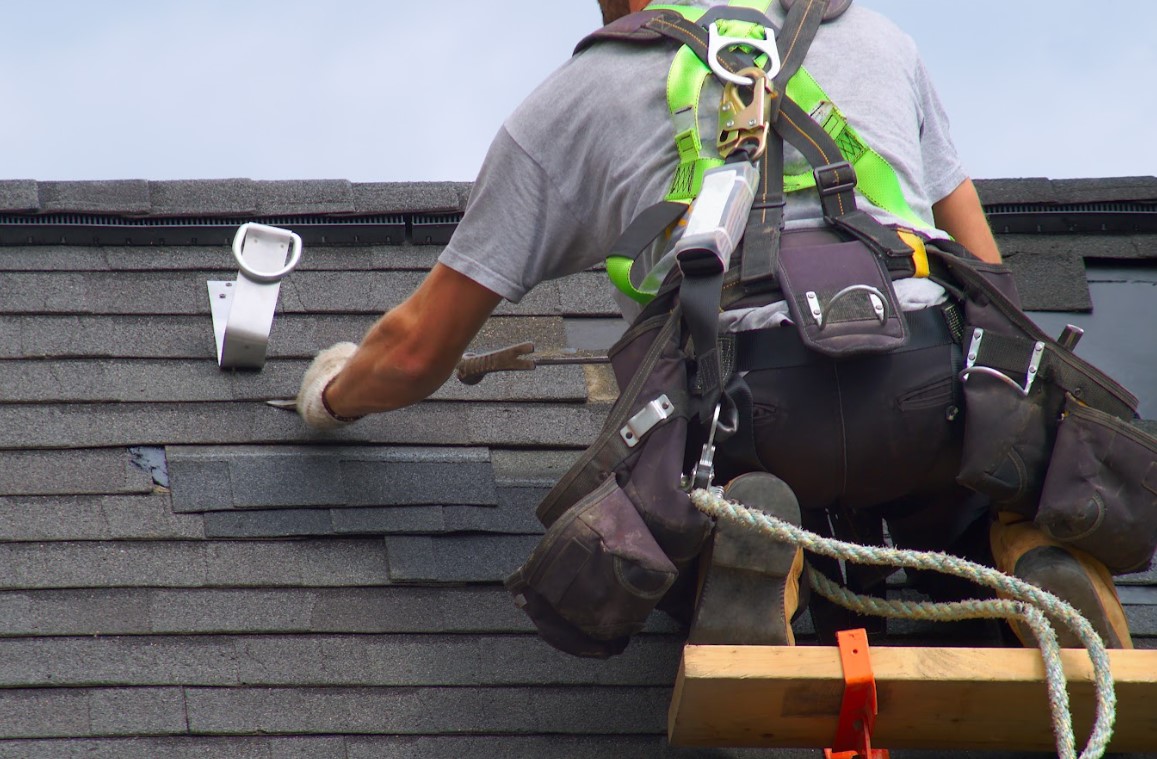
A roof leak after a storm rarely stays “just a small leak” for very long. In Utah, a few missing shingles, a puncture from falling debris, or lifted flashing after high winds can quickly allow moisture into attic insulation, ceiling cavities, and wall systems. What starts as a small drip during a storm can turn into expensive interior damage surprisingly fast.
That is why debris removal and immediate leak repair matter so much after severe weather. Fast storm response is not simply about cleaning up branches or stopping visible dripping temporarily. It is about stabilizing the home quickly enough to prevent moisture spread, insulation damage, drainage problems, and larger structural repairs later.
Across the Wasatch Front, storms regularly leave homeowners dealing with:
- Fallen branches and debris
- Active roof leaks
- Hail-damaged shingles
- Clogged gutters and drainage systems
- Wet insulation and attic moisture
- Interior ceiling stains
- Wind-related flashing damage
In many cases, the storm itself is only the beginning of the problem. Delayed cleanup and postponed leak repairs often allow moisture exposure and structural deterioration to continue long after the weather clears.
In this guide, we’ll cover:
- Why fast storm response matters after roof damage
- How quickly roof leaks can spread through a home
- What homeowners should do immediately after storm damage
- How emergency leak repair helps stabilize the property
- Why Utah weather accelerates water damage risks
- What inspectors look for during emergency roof response
- How temporary protection supports long-term repairs
If your home was recently damaged by hail, wind, or falling debris, Definitive Construction can help with emergency roofing response, inspections, temporary protection, and long-term repair planning throughout the Wasatch Front.
Why Speed Matters After Storm Damage
One of the biggest misconceptions homeowners have after storms is assuming the situation becomes less urgent once the rain stops. In reality, the hours immediately after a storm are often when secondary damage begins accelerating.
Roofing systems are built in layers designed to move water safely away from the home. Once debris impact, lifted shingles, damaged flashing, or punctures compromise that system, moisture may continue entering the structure long after the storm passes.
Fast debris removal and immediate leak repair help reduce:
- Ongoing water intrusion
- Moisture spread through insulation
- Drainage problems
- Interior drywall damage
- Structural deterioration
- Electrical safety concerns
This becomes especially important in Utah, where storms are often followed by additional rain, freeze-thaw temperatures, canyon winds, or rapid snowmelt within a short period of time.
A roof exposed during a hailstorm may appear manageable initially, but repeated weather exposure can quickly worsen even minor vulnerabilities.
How Quickly Roof Leaks Cause Damage After Storms
Roof leaks can begin causing secondary damage almost immediately after moisture enters the home.
A leak caused by hail damage, lifted shingles, or fallen debris may quickly affect:
- Attic insulation
- Roof decking
- Drywall
- Framing
- Electrical systems
- Ventilation pathways
Water also rarely travels in a perfectly straight line from the original leak source. Moisture often moves along framing or decking before becoming visible somewhere else inside the home. That is one reason ceiling stains sometimes appear far away from the actual roof damage.
Fast leak repair matters because the longer moisture remains active, the more difficult restoration often becomes later.
Wet Insulation Can Spread Moisture Through Attic Spaces
Once insulation absorbs water, it becomes significantly less effective and may hold moisture inside the attic for extended periods.
Wet insulation may:
- Trap moisture near framing
- Reduce energy efficiency
- Increase indoor humidity
- Slow proper drying
- Contribute to material deterioration
This is one reason emergency roof leak repair often focuses on stopping moisture spread before insulation saturation becomes widespread.
Active Roof Leaks May Create Electrical Risks
Leaks near wiring, lighting, or electrical fixtures should always be treated seriously.
Storm-related water intrusion may create:
- Short circuits
- Damaged fixtures
- Safety concerns
- Increased repair complexity
That is why professional inspections often focus on how far moisture may have traveled inside the attic and ceiling system instead of only addressing the visible leak itself.
Storm Debris Removal Helps Prevent Compounding Damage
Storm debris removal is not simply about appearance or cleanup. It is an important part of preventing additional roof deterioration and controlling moisture exposure after severe weather.
Fallen Debris Can Trap Moisture Against Roofing Materials
Branches, leaves, broken siding, and damaged roofing materials may hold moisture against the roof surface after storms.
That trapped moisture can:
- Accelerate shingle deterioration
- Saturate underlayment
- Block drainage pathways
- Increase leak severity
- Stress flashing and penetrations
Removing debris quickly allows roofing systems to dry more effectively and helps inspectors identify hidden impact damage that may otherwise remain concealed.
Large Debris Impacts May Hide Structural Damage
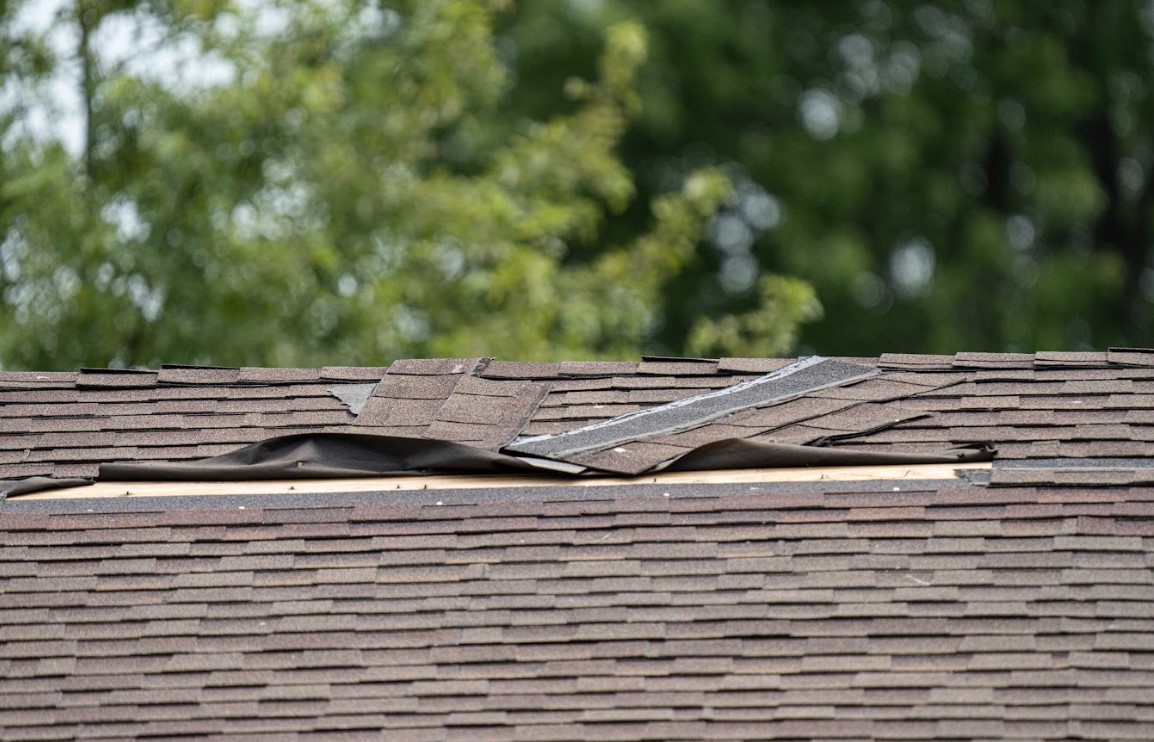
Heavy branches or fallen trees may create punctures, soft spots, or structural stress that homeowners cannot safely evaluate from the ground.
Professional inspections help determine:
- Whether decking was compromised
- If flashing separated during impact
- Whether moisture entered beneath roofing materials
- If gutters or fascia shifted during the storm
- Whether temporary stabilization is needed
A branch impact during a windstorm in South Jordan may only expose a small roofing section initially, but overnight moisture exposure and freeze-thaw conditions can quickly widen the damaged area before homeowners realize how much water entered the system.
Storm Debris Can Continue Affecting Drainage After Cleanup
Storm debris often creates drainage problems even after visible cleanup appears complete.
Leaves, branches, and roofing materials may clog:
- Gutters
- Roof valleys
- Downspouts
- Drainage exits
Blocked drainage may redirect water toward flashing seams, fascia boards, siding, or vulnerable roof penetrations. This is one reason storm debris removal is considered part of the mitigation process instead of simple property cleanup.
What Homeowners Should Do Immediately After Storm Damage
The first priority after storm damage should be reducing additional exposure safely while documenting visible conditions.
Homeowners should begin by:
- Moving valuables away from leaks
- Placing containers beneath dripping areas
- Photographing visible damage
- Documenting debris impact areas
- Checking for ceiling staining
- Scheduling a professional inspection quickly
Homeowners should avoid climbing onto the roof during or immediately after storms. Wet roofing materials, unstable debris, and hidden structural weakness create dangerous conditions quickly.
Fast storm response works best when damage is documented early and temporary protection begins before additional weather exposure worsens the situation.
Documentation Helps Support Storm Mitigation Efforts
Insurance companies generally expect homeowners to take reasonable steps to help prevent additional property damage after storms.
Helpful documentation may include:
- Roof damage photos
- Leak photos
- Debris impact areas
- Water staining
- Dates of storm activity
- Temporary protection measures
This helps establish the condition of the home immediately after the storm event while supporting insurance documentation later.
Delayed Response Often Leads to Larger Repairs
One of the biggest reasons speed matters after a storm is because small vulnerabilities rarely stay small for long.
Delayed debris removal and postponed leak repair may eventually require:
- Insulation replacement
- Drywall repairs
- Structural drying
- Decking replacement
- Drainage correction
- Interior restoration work
Fast roof response helps reduce the likelihood of widespread secondary damage while keeping repair scopes more manageable.
Preventing Secondary Water Damage After Storms
Secondary water damage often becomes more expensive than the original storm damage itself.
Once moisture enters the roofing system, it may spread through:
- Attic insulation
- Ceiling materials
- Framing cavities
- Interior walls
- Flooring systems
That hidden spread is one reason emergency roofing response focuses heavily on moisture control immediately after storms.
Temporary Roof Protection Helps Stabilize the Home Quickly
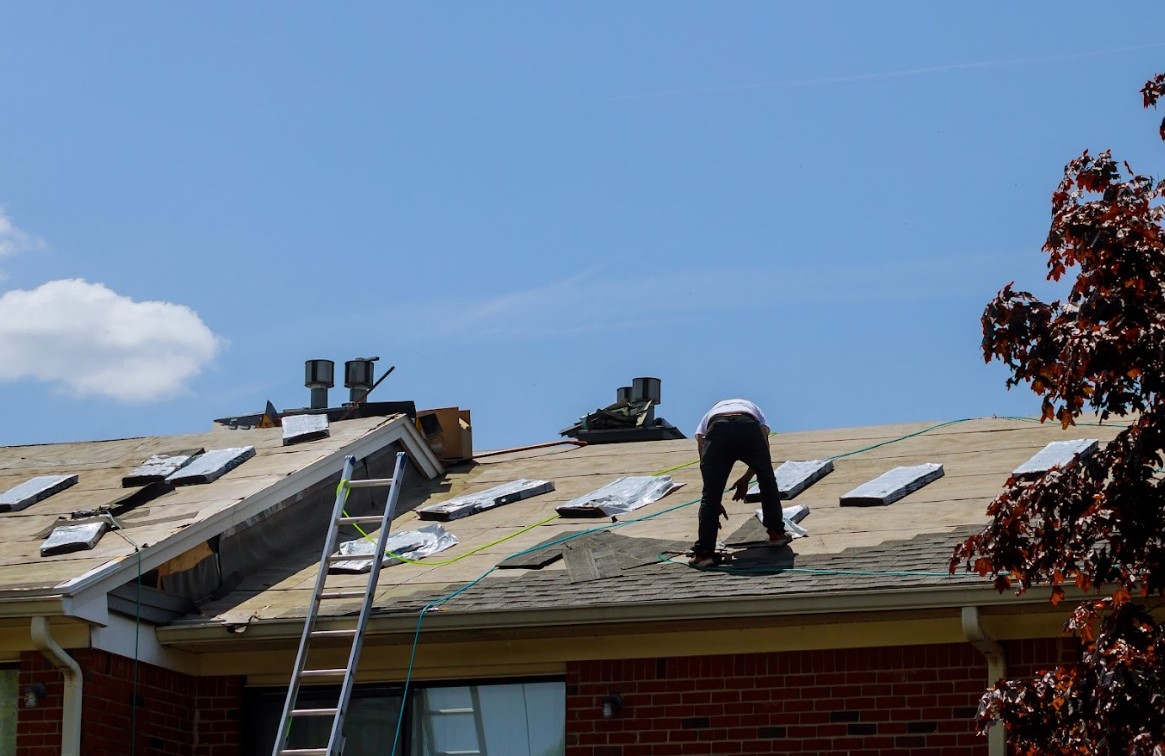
Emergency roof tarping and temporary protection help reduce additional water intrusion while long-term repairs are being planned.
Temporary protection may include:
- Roof tarping
- Sealing exposed penetrations
- Covering puncture areas
- Stabilizing flashing
- Securing lifted shingles
- Clearing blocked drainage areas
These temporary measures help stabilize the roofing system while reducing the likelihood of worsening damage after the storm.
Fast Roof Response Helps Reduce Long-Term Repair Costs
The longer active leaks remain unresolved, the greater the likelihood of:
- Widespread moisture intrusion
- Structural deterioration
- Insulation replacement
- Drywall damage
- Drainage complications
- Hidden attic moisture
Fast emergency leak repair helps contain damage before repairs become larger and more expensive.
How Immediate Leak Repair Works After Storm Damage
Immediate leak repair focuses on stopping active water intrusion while identifying the full extent of storm-related damage.
Professional Inspections Help Identify Hidden Leak Sources
Storm damage is not always obvious from the ground.
Professional inspections may evaluate:
- Missing or lifted shingles
- Flashing separation
- Roof penetrations
- Valley damage
- Gutter overflow areas
- Attic moisture spread
- Drainage concerns
- Impact damage from debris
Definitive Construction uses drone inspections when appropriate to safely evaluate roofing conditions and document storm-related damage without unnecessary foot traffic on compromised roofing systems.
Emergency Leak Repairs Focus on Stabilization First
Immediate leak repair may involve:
- Temporary waterproofing
- Roof tarp installation
- Sealing exposed areas
- Securing loose roofing materials
- Redirecting drainage
- Removing debris from vulnerable roof sections
The goal during emergency roof response is preventing additional water intrusion while creating a clear path toward permanent repairs.
Why Utah Weather Requires Faster Storm Response
Utah weather conditions often shorten the amount of time homeowners have to stabilize storm damage before it worsens.
Freeze-Thaw Conditions Can Worsen Roof Damage Quickly
Moisture entering small roof openings may freeze overnight and expand.
Repeated freeze-thaw cycles can:
- Widen flashing gaps
- Separate shingles further
- Increase underlayment exposure
- Accelerate roof deterioration
This is one reason delayed leak repair often leads to larger roofing problems after additional weather exposure.
Snowmelt and Drainage Problems Can Increase Moisture Exposure
Clogged gutters, blocked valleys, and debris may redirect water beneath roofing materials during snowmelt or heavy rain.
That is why emergency roof inspections after storms often include evaluating:
- Roofing systems
- Drainage pathways
- Gutters
- Siding
- Attic moisture conditions
as part of a complete mitigation process instead of focusing only on visible leaks.
How Fast Storm Response Supports Insurance Expectations
Fast debris removal and immediate leak repair are not only important for protecting the home. They also demonstrate reasonable mitigation efforts after storm damage occurs.
Insurance Policies Often Expect Homeowners To Prevent Additional Damage
Most insurance policies expect homeowners to take practical steps to help reduce preventable damage after storms.
That may include:
- Scheduling emergency inspections
- Installing temporary protection
- Removing dangerous debris
- Addressing active leaks quickly
- Documenting visible damage
Fast storm response helps reduce the likelihood of worsening conditions while creating clearer documentation for insurance review.
Emergency Roof Leak Repair Questions Utah Homeowners Commonly Ask
After severe weather moves through the Wasatch Front, homeowners are often left dealing with active leaks, fallen debris, and concerns about how quickly damage may spread through the home. These are some of the most common questions homeowners ask about debris removal, moisture control, and emergency roof response after storms.
How quickly should roof leaks be repaired after storms?
Roof leaks should be repaired as quickly as possible after storms because moisture intrusion can spread rapidly through insulation, decking, drywall, and framing. Fast leak repair helps reduce secondary water damage before moisture exposure becomes more widespread and expensive to address.
Can storm debris damage roofing systems?
Yes, storm debris can damage roofing systems because falling branches, heavy impact areas, and clogged drainage pathways may puncture roofing materials, loosen flashing, or trap moisture against the roof surface. Even smaller debris buildup can redirect water toward vulnerable areas after storms.
Will insurance cover emergency roof leak repairs?
Homeowners insurance commonly covers emergency roof leak repairs related to storm damage, depending on the policy and type of damage involved. Most policies also expect homeowners to take reasonable mitigation steps to help prevent additional property damage after storms.
Can small roof leaks become major repairs?
Yes, small roof leaks can become major repairs because moisture often spreads through attic spaces, insulation, and wall systems before visible interior damage fully appears. Delayed leak repair frequently increases restoration costs and allows hidden damage to continue worsening.
Does emergency roof tarping help prevent additional water damage?
Yes, emergency roof tarping helps prevent additional water damage by temporarily covering exposed roofing areas and reducing further moisture intrusion. Temporary roof protection helps stabilize the home while permanent repairs are being planned.
Can storm debris clog gutters and worsen leaks?
Yes, storm debris can clog gutters and worsen leaks because blocked drainage pathways may redirect water beneath shingles, around flashing, or toward siding and fascia areas. Drainage problems after storms often continue causing damage long after visible debris is removed.
Are wet attic spaces a serious concern after roof leaks?
Yes, wet attic spaces are a serious concern because insulation, framing, and decking materials may absorb and retain moisture before ceiling damage becomes visible inside the home. That hidden moisture spread is one reason fast storm response matters after roof leaks begin.
Are drone roof inspections useful after storm damage?
Yes, drone roof inspections are useful after storm damage because they provide detailed roof documentation while limiting unnecessary foot traffic on potentially compromised roofing systems. Drone imaging also helps inspectors identify hidden damage and debris impact areas more safely and efficiently.
Final Thoughts on Debris Removal and Immediate Leak Repair
Debris removal and immediate leak repair are not simply cleanup tasks after severe weather. They are critical first steps in preventing additional roofing damage, moisture spread, drainage failures, and larger structural problems after a storm.
For Utah homeowners, fast storm response helps reduce the risk of worsening leaks, hidden moisture intrusion, insulation damage, and long-term roofing deterioration while creating a more organized path toward permanent repairs.
Definitive Construction helps homeowners throughout the Wasatch Front with emergency roofing response, debris removal coordination, temporary protection, inspections, insurance documentation support, and long-term exterior repair solutions designed for Utah weather conditions. Our team focuses on practical recommendations, clear communication, and professional craftsmanship without unnecessary pressure or exaggerated sales tactics.
Schedule emergency leak repair before water damage spreads further into your home.
Recent Articles
Residential Roofing
How to Tell If Your Roof Has Hail Damage After a Utah Summer Storm
Hail damage on a roof can appear as displaced shingle granules, bruised or fractured asphalt shingles, dents in gutters or vents, cracked roofing materials, damaged flashing, and new leaks after the storm.
August 5, 2026

Residential Roofing
How Long Does a Roof Really Last in South Jordan? A Material-by-Material Breakdown
An asphalt shingle roof in Utah usually lasts about 18 to 22 years. That range depends on material quality, ventilation, storm exposure, and installation. Different roofing materials age differently. Some are easy to repair.
July 1, 2026

Residential Roofing
Whole-Home Protection Plan: Coordinating Roof, Gutter, Siding, and Solar Maintenance
A whole-home protection plan is not about overcomplicating homeownership. It is about understanding how roofing, gutters, siding, solar systems, drainage pathways, and ventilation systems work together to protect the home year-round.
June 11, 2026
Residential Roofing
Debris Removal and Immediate Leak Repair: Why Speed Matters After a Storm
Debris removal and immediate roof leak repair are not simply cleanup tasks after severe weather. They are critical first steps in preventing additional roofing damage, and larger structural problems after a storm.
June 8, 2026