

Emergency Roof Tarping and Temporary Repairs: What Homeowners Should Do First
June 1, 2026
•
Written By
Definitive Construction
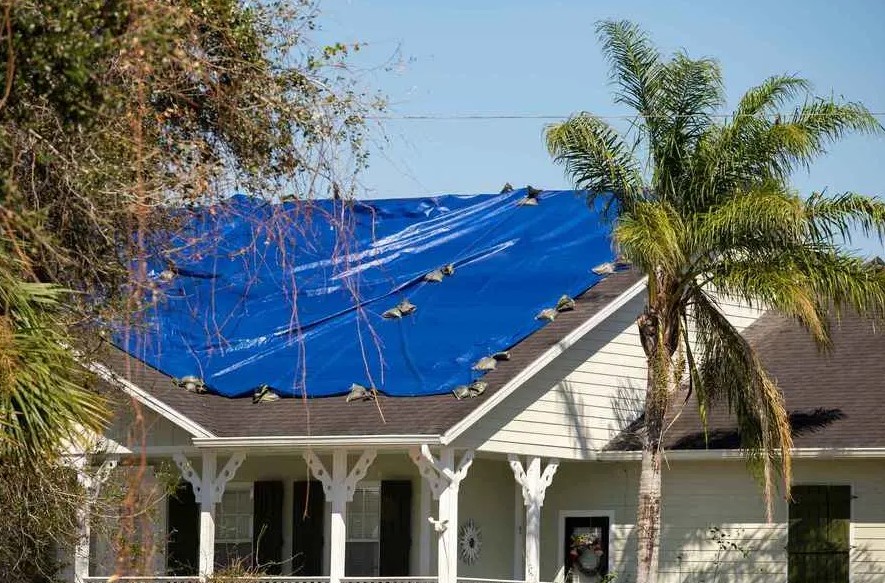
Yes, emergency roof tarping and temporary repairs should happen quickly after storm damage because even small roof leaks can lead to larger interior problems faster than most homeowners expect.
When Utah storms damage a roof, the first priority is not deciding whether the roof needs repairs or replacement. The first priority is stopping additional water intrusion before moisture spreads into the attic, insulation, drywall, and structural materials.
Emergency roof tarping gives homeowners temporary protection while the roof is professionally inspected, documented, and repaired properly. That temporary protection can make a major difference in preventing secondary damage after hail, wind, or heavy rain.
In this guide, we’ll cover:
- Why emergency roof tarping matters after storm damage
- Signs your roof may need temporary protection
- What homeowners should do first after a storm
- How temporary roof repair after storm damage works
- The difference between temporary and permanent repairs
- Why attic moisture becomes a larger issue after leaks
- What homeowners should avoid after storm damage
- Whether insurance may cover emergency roof tarping
- Why Utah weather makes fast storm response important
If your roof is leaking or exposed after a storm, Definitive Construction can help with emergency inspections, roof tarp services, and temporary repairs throughout the Wasatch Front.
Why Emergency Roof Tarping Matters Before Anything Else
Emergency roof tarping matters because roof damage rarely stays isolated for long once water enters the home.
After hail, wind, or falling debris damages roofing materials, moisture can move into insulation, attic spaces, drywall, framing, and roof decking surprisingly quickly. In Utah, freeze-thaw cycles can make the situation worse by expanding trapped moisture inside roofing systems overnight.
Emergency roof tarping creates a temporary waterproof barrier designed to reduce additional water intrusion until permanent repairs can safely be completed.
That temporary protection is often the difference between:
- A manageable roof repair
- Extensive interior water damage
- Mold growth
- Wet insulation replacement
- Structural wood deterioration
- Larger insurance claims
Many homeowners understandably focus first on how severe the roof damage looks from the outside. The bigger issue is often the moisture homeowners cannot immediately see.
Water rarely travels in a straight line through a roof system. A small ceiling stain may actually originate several feet away from the visible interior damage. That is why temporary roof repair after storm damage should happen quickly, even if the leak initially appears minor.
Emergency roof tarping is not the final repair. It is the first protective step that helps stabilize the situation while the roof is properly evaluated.
Signs Your Roof Needs Emergency Tarping or Temporary Repair
Some storm damage is obvious immediately. Other types of roofing damage become noticeable only after the next rainstorm or temperature swing.
The key is recognizing when the roof may no longer be protecting the home properly.
Active Roof Leaks Usually Mean Immediate Protection Is Needed
An active roof leak is one of the clearest signs emergency roof tarping may be needed. Water dripping from ceilings, running down walls, or appearing around vents and light fixtures should be addressed quickly to reduce additional interior damage.
Missing or Lifted Shingles Leave Roofing Systems Vulnerable
Strong Utah winds regularly loosen or remove shingles, especially on aging roofs or areas weakened by long-term sun exposure. Once shingles lift or separate, the roofing system underneath becomes vulnerable to moisture.
Fallen Branches and Debris Can Create Hidden Roof Damage
Storm debris does not need to crash through the roof to cause problems. Branches can puncture shingles, damage flashing, loosen gutters, or create openings where water can enter later.
Interior Water Stains Often Point to Larger Roofing Issues
Ceiling stains after a storm often indicate roof damage somewhere above the visible leak area. Even dry-looking stains should be inspected because moisture may still be present inside attic spaces or insulation.
Hail Damage Can Weaken Roofing Materials Before Leaks Appear
Hail damage can weaken shingles without creating immediate leaks. Bruising, granule loss, punctures, and damaged flashing can all create future moisture problems if temporary repairs are delayed.
Exposed Roofing Materials Need Fast Temporary Protection
If roof decking, underlayment, or other roofing layers are exposed after a storm, emergency tarping should happen quickly to prevent rapid moisture absorption.
What Homeowners Should Do First After Storm Roof Damage
The first thing homeowners should do after storm roof damage is focus on safety before anything else.
Climbing onto a storm-damaged roof may seem like the fastest way to inspect the problem, but wet shingles, hidden soft spots, loose debris, and compromised decking create serious fall risks. A roof that looks stable from the ground may not actually be safe to walk on.
Once the area is safe, homeowners should focus on reducing additional interior damage where possible.
That may include:
- Moving valuables away from leaks
- Placing containers beneath active drips
- Protecting furniture and flooring
- Increasing airflow in affected rooms
- Avoiding areas with sagging ceilings
The next step is documentation.
Homeowners should take photos and videos of visible roof damage, interior leaks, fallen debris, missing shingles, damaged gutters, and water stains before temporary repairs begin whenever possible. This documentation can help support storm-related insurance claims later.
After documentation, a professional roof inspection should be scheduled.
This is where emergency roof tarping and temporary repairs become part of a larger storm roof damage response plan instead of a rushed short-term fix. A professional inspection helps determine:
- Whether emergency tarping is necessary
- The full extent of storm damage
- Whether repairs or replacement make more sense
- If attic moisture is present
- Whether insurance restoration may apply
Definitive Construction uses drone roof inspections when appropriate to safely assess roof conditions, identify less visible storm damage, and document affected areas thoroughly.
The goal during these first steps is not solving the entire roofing issue immediately. The goal is protecting the home from additional damage while creating a clear path toward permanent repairs.
How Emergency Roof Tarping Works
Professional roof tarp services involve much more than placing plastic over a visible leak.
Emergency roof tarping works by temporarily sealing vulnerable areas of the roof system to reduce additional moisture intrusion until permanent repairs can be completed.
The process typically starts with a full damage assessment.
A roofing contractor identifies all affected roofing areas, including:
- Missing shingles
- Torn roofing materials
- Damaged flashing
- Punctures
- Roof valley damage
- Vent penetration issues
- Exposed decking
Once the damage is evaluated, debris is removed from the roof when it is safe to do so. Branches, loose shingles, and storm debris can interfere with tarp placement or create additional punctures if left in place.

Proper Tarp Installation Helps Prevent Additional Water Damage
The tarp is then installed using professional fastening and anchoring methods designed to withstand Utah weather conditions.
Proper installation matters because poorly secured tarps can:
- Trap moisture beneath the tarp
- Tear during high winds
- Allow water underneath exposed areas
- Create additional roof damage
Professional emergency roof tarping also involves properly overlapping materials to direct water away from vulnerable sections of the roof system.
After temporary protection is installed, the next step becomes planning permanent repairs based on the actual storm damage present.
Temporary Roof Repairs vs Permanent Roof Repairs
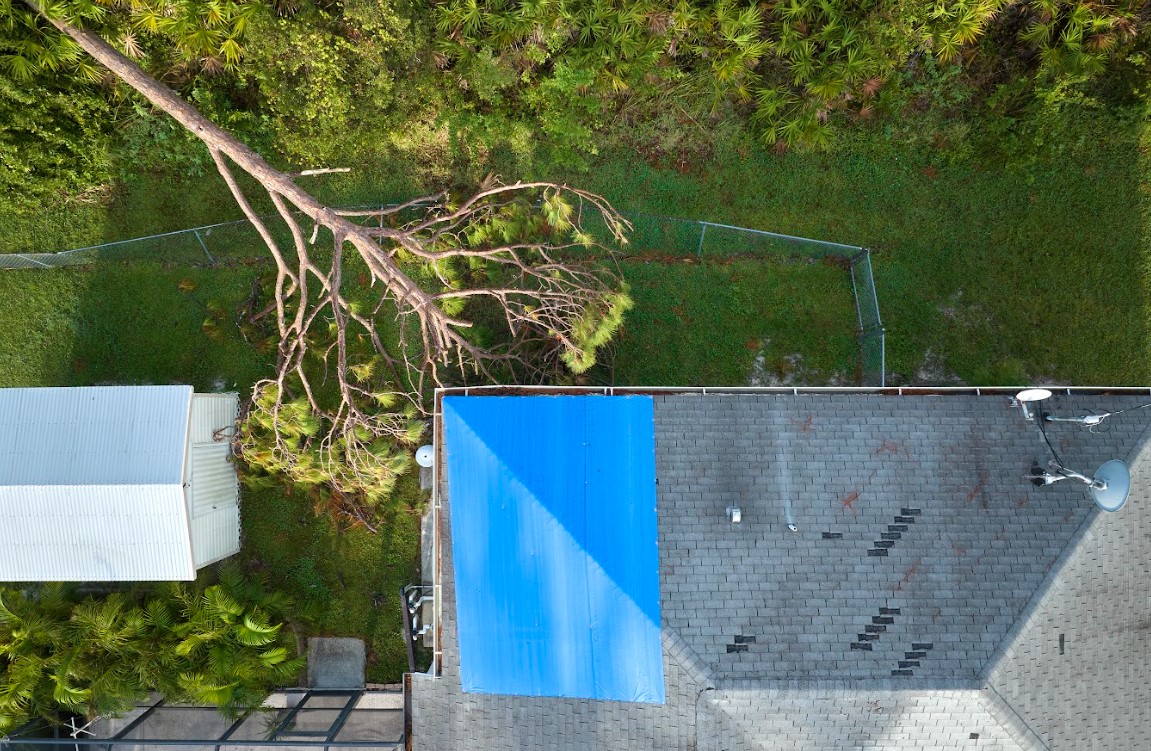
Temporary roof repairs are designed to reduce additional damage immediately after a storm. Permanent repairs are designed to correct the roofing issue fully.
That difference matters because some homeowners understandably assume a tarp solves the problem once the leaking slows down.
Temporary Repairs Help Stabilize the Home After Storm Damage
Temporary repairs may include:
- Emergency roof tarping
- Temporary waterproofing
- Leak containment
- Debris removal
- Short-term sealing around exposed areas
These repairs help stabilize the situation while inspections, insurance communication, and repair planning move forward.
Permanent Repairs Address the Actual Roofing Failure
Permanent repairs address the actual roofing failure itself. Depending on the damage, that may involve:
- Replacing shingles
- Repairing flashing
- Replacing damaged decking
- Correcting ventilation issues
- Replacing underlayment
- Completing larger roof replacement work
In Utah weather, temporary materials should not remain in place longer than necessary. Strong winds, UV exposure, snow accumulation, and freeze-thaw cycles eventually weaken temporary protection systems.
Emergency roof tarping is the first step after storm damage. Permanent repair is the long-term solution.
Why Attic Moisture Should Be Checked After Emergency Roof Leaks
Emergency roof leak repair should always include checking for attic moisture because water damage often spreads farther than homeowners initially realize.
When water enters through a damaged roof, insulation can absorb moisture quietly for days before obvious interior signs appear. Roof decking can remain damp. Ventilation problems can slow drying significantly. Over time, trapped moisture may contribute to mold growth, wood deterioration, and insulation damage.
This becomes especially important after Utah hail and wind storms because roofing systems often experience rapid temperature swings immediately after weather events.
A roof leak that appears manageable during one storm may become a much larger attic moisture issue after overnight freezing temperatures, snow accumulation, or additional rain.
Hidden Attic Moisture Can Continue Damaging the Home After the Storm Ends
Professional inspections following emergency roof tarping should evaluate:
- Attic moisture levels
- Wet insulation
- Stained roof decking
- Ventilation concerns
- Signs of mold growth
- Moisture spread beyond visible leak areas
Temporary repairs help stop additional water intrusion. The inspection helps determine what hidden damage may already exist.
What Homeowners Should Avoid After Storm Damage
Knowing what homeowners should do first after storm damage matters. Knowing what they should avoid can be just as important.
Homeowners should avoid climbing onto wet or visibly damaged roofs after storms. Even small leaks can indicate larger structural weakness beneath the roofing surface.
It is also important not to ignore smaller leaks simply because the dripping slows down after the storm passes. Water intrusion often spreads before it becomes visible indoors, especially inside attic spaces.
Improper Temporary Repairs Can Make Storm Damage Worse
Improper tarp installation is another common issue. A tarp that is loosely secured or installed incorrectly may trap moisture, shift during high winds, or allow water underneath vulnerable roofing sections.
Homeowners should also be cautious about rushing into repair decisions immediately after major storms. After severe hail events, temporary storm crews often move through affected areas quickly. Working with an established local roofing contractor familiar with Utah roofing systems and weather conditions helps create a more reliable repair process.
The best first response after storm damage is usually the most organized one:
- Protect the home
- Document the damage
- Schedule a professional inspection
- Install temporary protection if needed
- Plan permanent repairs based on the actual condition of the roof
Does Insurance Cover Emergency Roof Tarping?
Yes, homeowners insurance may cover emergency roof tarping when storm damage is involved.
Most insurance providers expect homeowners to take reasonable steps to prevent additional damage after a covered weather event. Emergency tarping and temporary leak protection are often considered part of that mitigation process.
Thorough Documentation Helps Support Storm Damage Claims
Insurance-related documentation may include:
- Photos before temporary repairs
- Drone inspection images
- Interior moisture documentation
- Written inspection findings
- Storm-related damage reports
This documentation helps establish the condition of the roof immediately after the storm and may help support the claim process later.
Definitive Construction helps homeowners document roof conditions thoroughly while providing temporary protection and storm damage inspections. The goal is helping homeowners move through the repair process with clearer information and less confusion during an already stressful situation.
Why Utah Storms Make Fast Temporary Repairs So Important
Utah weather creates roofing challenges that make fast temporary repairs especially important after storms.
Homes across the Wasatch Front regularly experience:
- Hailstorms
- Strong canyon winds
- Heavy snow accumulation
- Rapid snowmelt
- Freeze-thaw temperature swings
- High UV exposure
That combination places constant stress on roofing systems throughout the year.
Wind may lift shingles enough for water intrusion later. Hail may weaken roofing materials before visible leaks appear. Snowmelt may expose flashing weaknesses around roof penetrations. Freeze-thaw cycles may expand moisture trapped inside small gaps.
Because of these conditions, emergency roof tarping and temporary repairs help prevent storm damage from spreading while permanent repair plans are developed.
Utah Weather Conditions Can Accelerate Secondary Roof Damage
Asphalt shingles remain popular throughout Utah because they are cost-effective and repairable in many situations, though hail and UV exposure can shorten their lifespan over time.
Metal roofing offers strong durability and weather resistance but still requires professional storm inspections after severe hail or debris impact.
The roofing material matters, but the first response after storm damage matters too. Protecting the home quickly helps reduce the likelihood of larger interior damage later.
Salt Lake City Emergency Roof Tarping FAQs
After severe weather hits, homeowners often have urgent questions about temporary protection, leak prevention, and what steps should happen next. These are some of the most common questions homeowners ask after hail, wind, and storm-related roof damage in Utah.
Should I tarp my roof after a storm?
Yes, roof tarping is often necessary after a storm if roofing materials are exposed or leaks are active. Emergency tarping helps reduce additional water intrusion and protects the home temporarily until permanent repairs can be completed safely.
Does insurance cover roof tarping?
Yes, homeowners insurance commonly covers emergency roof tarping related to storm damage. Most policies expect homeowners to take reasonable steps to prevent additional property damage while permanent repairs are being planned.
How long can a roof tarp stay on?
A roof tarp should only remain in place temporarily until permanent repairs are completed. Wind, UV exposure, snow, and temperature swings can weaken temporary materials over time and reduce their effectiveness.
Can roof leaks worsen overnight?
Yes, roof leaks can worsen very quickly after storms because water intrusion may spread through insulation, roof decking, drywall, and framing before visible interior damage fully appears. Even smaller leaks can expand rapidly during additional rain or freeze-thaw conditions.
Can roof leaks spread through the attic?
Yes, roof leaks can spread through the attic because insulation, decking, and framing materials may absorb and redirect moisture before ceiling damage becomes visible inside the home. That hidden spread is one reason attic inspections are important after storms.
Will a tarp stop all leaking completely?
A professionally installed tarp can significantly reduce water intrusion, though severe structural damage or hidden roofing vulnerabilities may still allow limited moisture penetration until permanent repairs are completed. Temporary protection is designed to stabilize the situation, not replace full repairs.
How quickly should storm damage be inspected?
Storm damage should be inspected as soon as possible after severe weather because hidden damage can worsen over time. Fast inspections help identify moisture intrusion early and support insurance documentation before additional problems develop.
Are drone roof inspections useful after storm damage?
Yes, drone roof inspections are useful after storm damage because they provide detailed roof documentation while limiting unnecessary foot traffic on potentially compromised roofing systems. Drone imaging can also help inspectors identify damage patterns more safely and efficiently.
Final Thoughts on Emergency Roof Tarping and Temporary Repairs
Emergency roof tarping and temporary repairs are about buying your home time. Not forever. Not through three more seasons and a hopeful shrug. Just enough time to stop additional water intrusion, inspect the damage properly, document what happened, and complete the right permanent repair.
For Utah homeowners, the first steps after storm damage should be clear: stay off the roof, protect the interior, document the damage, schedule a professional inspection, and tarp exposed areas when needed.
Definitive Construction has helped homeowners across the Wasatch Front respond to storm damage with emergency roof tarping, temporary leak protection, drone inspections, insurance claim documentation, and long-term roofing solutions built for Utah weather. Our team brings certified experience, local knowledge, and straightforward communication to a situation that already has enough moving parts.
Schedule an emergency roof inspection before minor storm damage becomes a larger interior repair.
Recent Articles
Residential Roofing
How Much Does a Roof Replacement Cost in Utah? (2026 Pricing Guide)
Roof replacement cost in Utah averages about $10,000 and ranges from roughly $7,800 to $25,300. Here is a 2026 breakdown of pricing by material and roof size, Salt Lake City permit requirements, and the smartest ways to pay for a new roof.
October 23, 2026
Residential Roofing
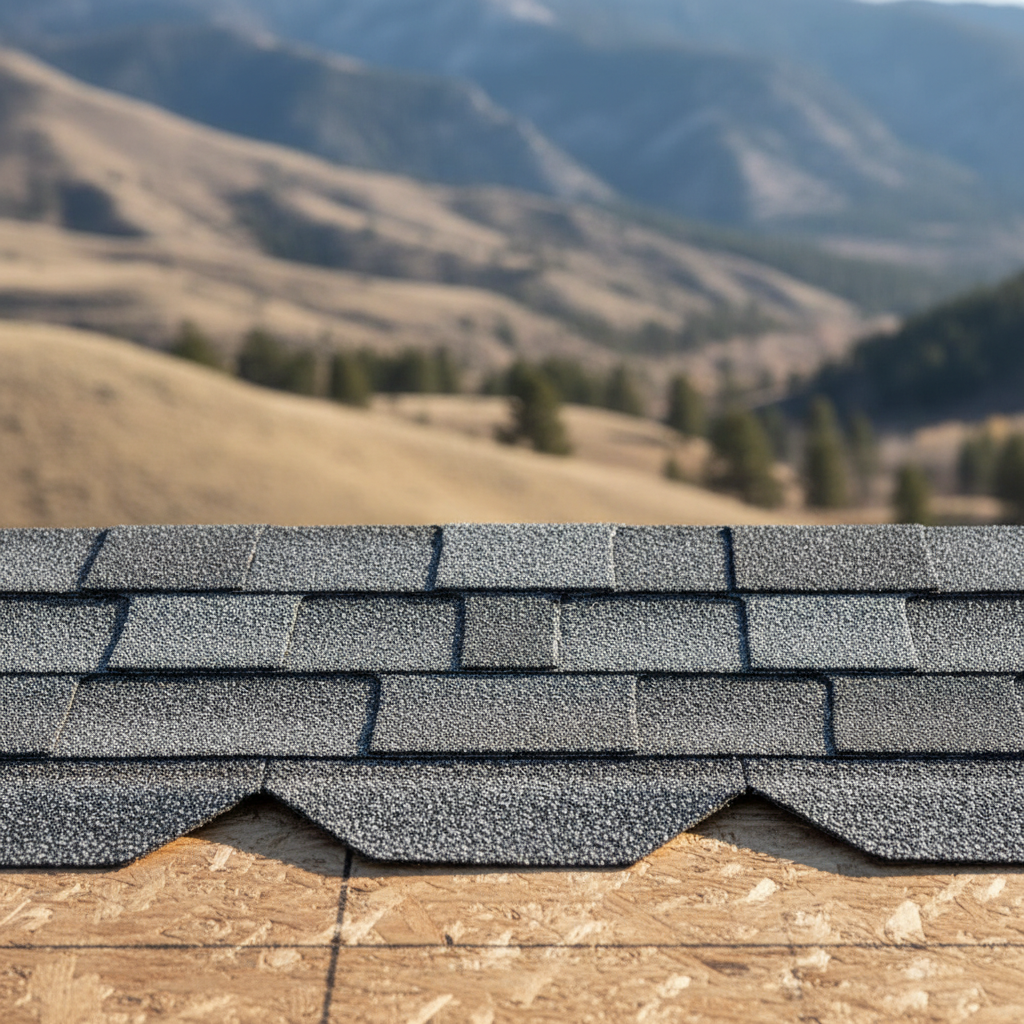
GAF vs. Owens Corning vs. CertainTeed: Which Shingle Brand Is Right for Your Utah Roof?
Comparing GAF, Owens Corning, and CertainTeed shingles for Utah homes, covering warranty terms, hail resistance, and pricing, from a GAF Master Elite and CertainTeed Select ShingleMaster contractor.
September 9, 2026
Residential Roofing
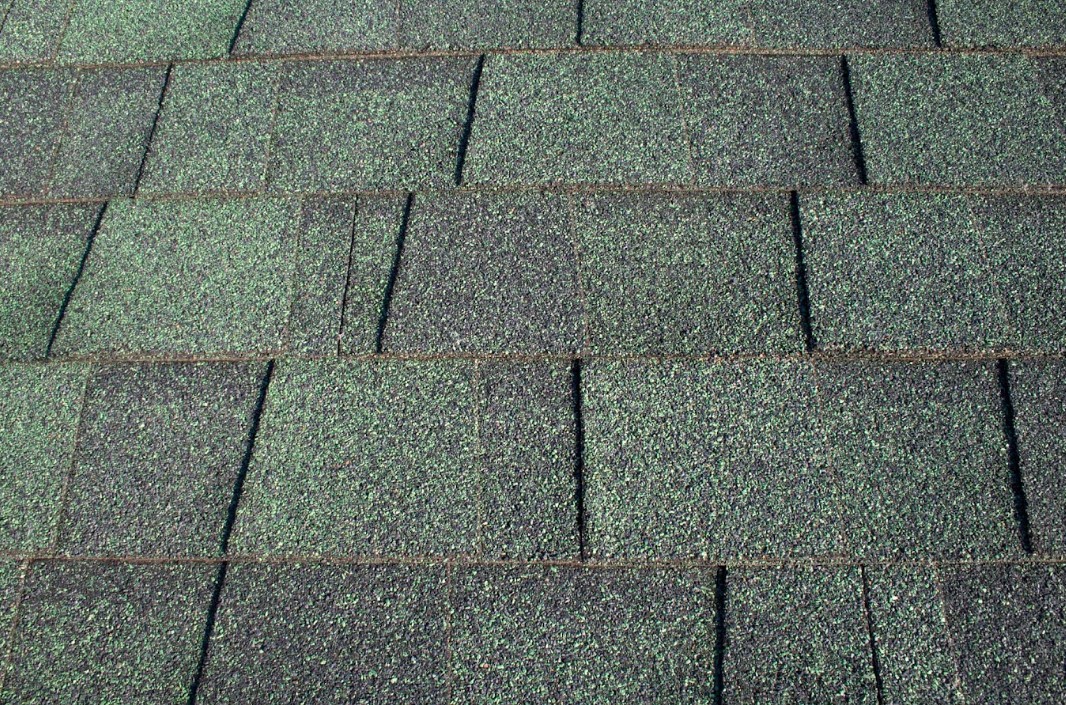
How to Tell If Your Roof Has Hail Damage After a Utah Summer Storm
Hail damage on a roof can appear as displaced shingle granules, bruised or fractured asphalt shingles, dents in gutters or vents, cracked roofing materials, damaged flashing, and new leaks after the storm.
August 5, 2026

Residential Roofing
How Long Does a Roof Really Last in South Jordan? A Material-by-Material Breakdown
An asphalt shingle roof in Utah usually lasts about 18 to 22 years. That range depends on material quality, ventilation, storm exposure, and installation. Different roofing materials age differently. Some are easy to repair.
July 1, 2026