Flat Roofs for Homes: Pros, Cons, and Maintenance Tips for Residential Flat Roofing
December 4, 2025
•
Written By
Definitive Construction
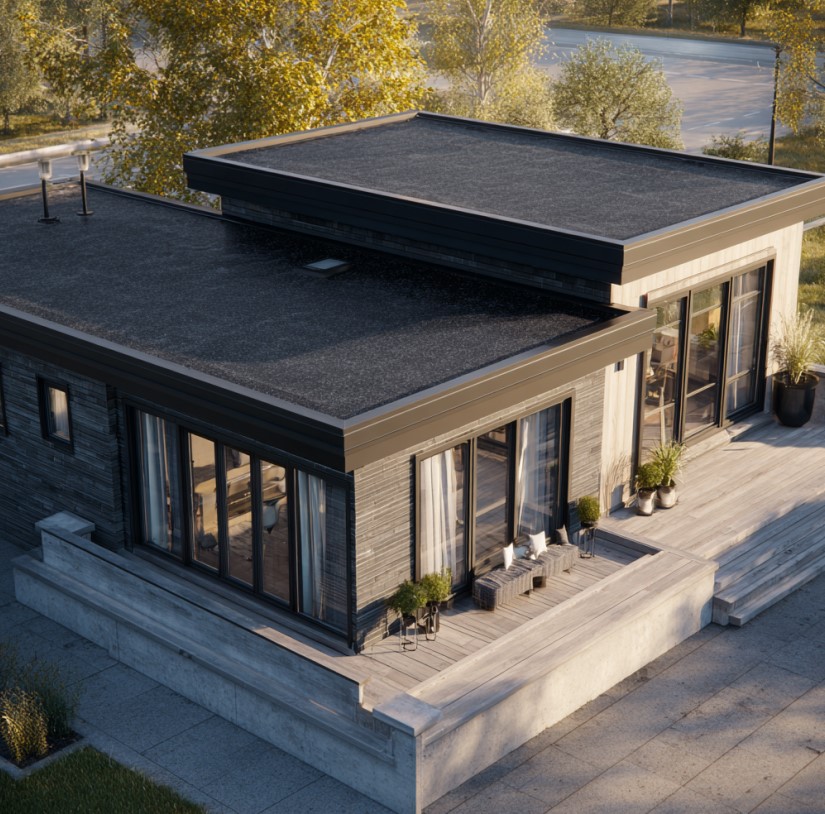
Here’s a familiar scene: it’s late winter in Salt Lake City, the sun finally shows up, snow starts melting… and then you notice a shallow pond forming on that “mostly flat” roof over your garage. You stand there wondering whether this is normal, concerning, or just something homeowners with flat roofs pretend not to notice.
If you own a home with a flat roof—or you’re thinking about getting one—this is the kind of moment that inspires a lot of Google searches. And honestly, for good reason. Residential flat roofing works well when it’s designed and maintained the right way. When it’s not? Well, that’s when people end up calling us with the voice every roofer recognizes: part confused, part annoyed, and part surprised this roof needs more care than they expected.
So let’s walk through what flat roofs actually do well, what they struggle with, and how to keep yours in good shape. No panic. No jargon. Just the stuff that helps you make a smart decision.
In this guide, you’ll get:
- A clear explanation of how residential flat roofs work
- A breakdown of flat roof pros and cons (the ones that actually matter)
- Practical flat roof maintenance tips that prevent expensive problems
- Material options that hold up best in Salt Lake City
- Quick FAQ answers to the things homeowners ask us all the time
If you’d rather skip the reading and have someone take a look at your roof, that’s fine too.
Contact Definitive Construction today for professional help.
What Residential Flat Roofing Actually Is — and Why It Matters Here
A Quick Definition, Minus the Technical Lecture
A flat roof isn’t truly flat. It has a slight slope—just enough to encourage water to move instead of settling in place. Unlike a pitched roof, which relies on shingles, flat roofs use continuous membranes like TPO, EPDM, or modified bitumen.
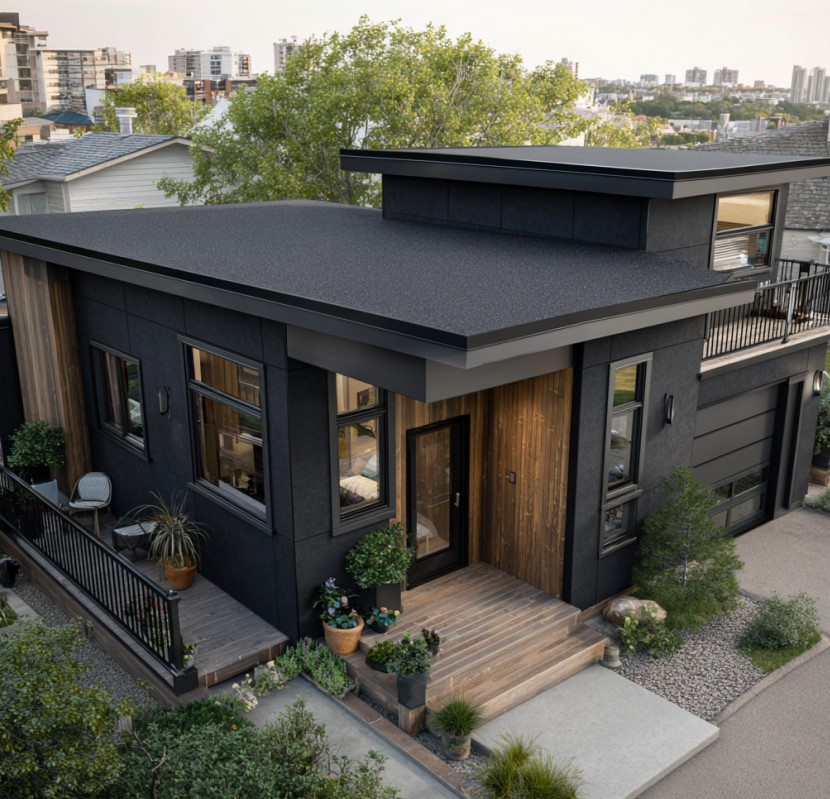
These roofs show up most often on modern homes, mid-century designs, and home additions. Homeowners like them because they offer clean lines and simple access. Contractors like them for the same reason. But as with most things, there’s a catch: they need the right materials, good drainage, and routine checkups.
Why Salt Lake City Makes Flat Roofs… Interesting
Around the Wasatch Front, we get heavy snow, fast melt cycles, hot summers, and more UV exposure than you’d guess if you didn’t live here. All of that affects how long a flat roof lasts and how often you’ll need eyes on it.
Unlike pitched roofs that shed water naturally, flat roofs need well-designed drainage. When they get it, they hold up just fine. When they don’t, they’re the roof equivalent of a sink with a slow drain—looks fine until it doesn’t.
Before You Install or Repair a Flat Roof: Start With the Basics
Think of this as your pre-checklist before you commit to anything.
How’s the drainage plan?
Everything on a flat roof comes back to drainage. If the slope is wrong or the scuppers are clogged, water sticks around. That’s when membranes wear down and seams separate.
What material fits your home?
Not all flat roof materials behave the same way in our climate. TPO handles heat well. EPDM handles cold well. Modified bitumen handles foot traffic well. Choosing the right one starts with knowing how your roof is used.
Do you need a permit?
If you’re in Salt Lake City, you probably do. Snow load requirements and drainage design are part of the approval process. It’s not complicated—but it matters.
Are you okay with seasonal maintenance?
Flat roofs reward consistency. They’re easier to access, but they also need to be checked more often. If you’re the “out of sight, out of mind” type, it’s best to plan for scheduled inspections.
Flat Roofs for Homes: The Pros and Cons That Matter
The Pros
A Modern Look
Flat roofs give a home that clean architectural character a lot of people want—especially with newer builds or remodels.
Easy to Access
If you ever need to inspect, clean, or install equipment (like solar panels), a flat roof makes life easier. No need to brace yourself at a 45‑degree angle.
Solar-Friendly
Flat roofs let you position solar panels at the exact angle you need. No compromises because of pitch.
Can Be Cost-Effective
Depending on the membrane you choose and the size of your roof, flat systems can be competitively priced.
The Cons
Water Doesn’t Just “Roll Off”
This is the big one. A flat roof with poor drainage is basically a puddle waiting for a leak.
Lifespan Isn’t as Long as Premium Pitched Roofs
A well-installed flat roof can deliver 20–30 good years, but it won’t match the lifespan of metal or high-end asphalt systems.
Snow Adds Weight
You get more loading on a flat roof because snow doesn’t shed quickly. That’s why structure matters.
Regular Maintenance Required
You’ll want to stay ahead of debris, standing water, cracked seams, or membrane bubbles. Ignoring these leads to the kinds of calls nobody likes making.
Flat Roof Maintenance Homeowners Should Actually Do
Maintenance is where most flat roofs succeed or fail. Here’s the realistic version of the list.
Inspect after storms
Any heavy rain, wind, or snow melt—take a quick look. You’re checking for standing water, punctures, and seam lifting.
Keep drains and scuppers clear
Flat roofs can’t afford clogged drainage. Clearing debris even twice a year makes a huge difference.
Trim back branches
A branch falling from 30 feet doesn’t care whether you’re using TPO or EPDM.
Look for cracks or bubbles
Membranes tell you when they’re stressed. Early signs are easy to repair. Later signs… not so much.
Professional inspection every few years
Even well-maintained flat roofs need a thorough review now and then. It’s like checking the foundation—not urgent until it is.
Flat Roof Material Options That Make Sense in Utah
TPO (Thermoplastic Polyolefin)
- Good for heat reflection
- Welded seams = strong waterproofing
- Often lasts 20–30 years with proper care
EPDM (Rubber)
- Flexible in cold weather
- Easy to patch
- Darker versions run warmer in summer
Modified Bitumen
- Tried-and-true system
- Highly durable under foot traffic
- Slightly heavier and more labor-intensive
We help homeowners sort this out during inspections. Your best choice depends on your home’s exposure, structure, and long‑term plans—there’s no one-size-fits-all answer.
Flat Roof Questions We Hear Most from Salt Lake City Homeowners
If you’re still not sure whether a flat roof is right for your home—or how to care for one you already have—these are the questions we get most often. Here’s what you need to know.
What is residential flat roofing?
Residential flat roofing refers to low-slope roof systems installed on homes using continuous membrane materials like TPO, EPDM, or modified bitumen. Unlike pitched roofs, they rely on minimal slope and proper drainage to move water off the roof.
How long does a flat roof last in Utah?
A flat roof in Utah typically lasts 20 to 30 years with proper materials and maintenance. Climate factors like snow, UV exposure, and freeze-thaw cycles can impact lifespan, especially if regular upkeep is skipped.
Are flat roofs more likely to leak than sloped ones?
Flat roofs are more likely to leak if drainage is poor or maintenance is neglected. However, when they’re properly installed and regularly checked, they can stay watertight for decades without major issues.
Do flat roofs require more maintenance?
Yes, flat roofs do require more maintenance than sloped roofs. You’ll need to check for pooling water, keep drains clear, and inspect seams regularly to catch minor issues before they turn into bigger ones.
Can solar panels be installed on a flat roof?
Yes, solar panels can absolutely be installed on a flat roof. In fact, flat roofs allow for optimal panel positioning and make installation and maintenance easier due to improved accessibility.
Do you need a permit for flat roof installation in Salt Lake City?
Yes, most flat roof installations in Salt Lake City require a permit. This ensures your roof meets snow load and drainage code requirements specific to our climate and region.
Final Thoughts: Are Flat Roofs Worth It?
Flat roofs can be a great fit for the right home and the right homeowner. They offer modern design, easy accessibility, and practical space for solar equipment. But they also ask for a bit more attention than pitched systems—steady upkeep, good drainage, and an honest look at how they’re installed.
At Definitive Construction, we’ve installed and repaired residential flat roofing across Salt Lake City since 2008. We know how these roofs behave here—what works, what fails, and what keeps homeowners from dealing with headaches years down the road.
If you want a clear assessment and straightforward guidance—not a pitch—schedule your free inspection today. We'll tell you exactly what your roof needs, and what it doesn't.
Recent Articles
Residential Roofing
GAF vs. Owens Corning vs. CertainTeed: Which Shingle Brand Is Right for Your Utah Roof?
Comparing GAF, Owens Corning, and CertainTeed shingles for Utah homes, covering warranty terms, hail resistance, and pricing, from a GAF Master Elite and CertainTeed Select ShingleMaster contractor.
September 9, 2026
Residential Roofing
How to Tell If Your Roof Has Hail Damage After a Utah Summer Storm
Hail damage on a roof can appear as displaced shingle granules, bruised or fractured asphalt shingles, dents in gutters or vents, cracked roofing materials, damaged flashing, and new leaks after the storm.
August 5, 2026

Residential Roofing
How Long Does a Roof Really Last in South Jordan? A Material-by-Material Breakdown
An asphalt shingle roof in Utah usually lasts about 18 to 22 years. That range depends on material quality, ventilation, storm exposure, and installation. Different roofing materials age differently. Some are easy to repair.
July 1, 2026

Residential Roofing
Whole-Home Protection Plan: Coordinating Roof, Gutter, Siding, and Solar Maintenance
A whole-home protection plan is not about overcomplicating homeownership. It is about understanding how roofing, gutters, siding, solar systems, drainage pathways, and ventilation systems work together to protect the home year-round.
June 11, 2026