

Leak Repair Secrets: How Roofers Track Down Hidden Roof Leaks
February 5, 2026
•
Written By
Definitive Construction

Let’s be honest: tracking down a roof leak isn’t exactly how most people want to spend a weekend. But around Salt Lake City, between heavy snow in January and that first big spring melt, roof leaks happen. And often, they don’t show up where the actual problem is. That’s the thing about hidden roof leaks — they keep you guessing.
If you’re dealing with a drip that only shows up during storms or a stain that seems to grow whenever you’re not looking, you’re in the right place. At Definitive Construction, we’ve spent years doing professional roof leak repair across the Wasatch Front. We know how to spot the subtle stuff and fix it before it turns into something you really don’t want to talk about at the next family gathering.
This guide walks you through how we approach roof leak detection — what we look for, what you can check yourself, and when it’s time to get someone on the roof who knows what they’re doing.
What this guide covers:
- How to tell if that moisture is actually coming from your roof
- What to do immediately when water starts getting in
- How to inspect your attic or exterior safely
- Why Salt Lake’s weather makes hidden leaks more common
- What tools professionals use to find what others miss
Think you’ve got a leak? Schedule a free inspection. We’ll give it to you straight.
1. Start by Managing the Water Inside
When you see water coming in, don’t panic. But do act.
Set Up Temporary Containment
Grab a bucket. Place a towel. Lay down plastic if you’ve got it. You’re not solving the leak yet. You’re just buying time and protecting your stuff.
Minimize Interior Damage
Wipe up any water and run a fan or dehumidifier if you have one. If it’s spreading or worsening, make the call. The longer water sits, the bigger the mess behind the drywall.
2. Make Sure It’s Actually a Roof Leak
We’ve seen a lot of “roof leaks” that turned out to be HVAC condensation, leaky plumbing, or an overzealous humidifier.
Rule Out Non-Roof Issues
During Utah winters, poor attic ventilation can cause frost buildup that melts and mimics a leak. Before you start tearing into your roof, rule out moisture from ductwork or a bad bath fan vent.
Check the Attic — If You Can
Take a flashlight and look for damp insulation or stained wood framing. If the attic is dry, the source may be something else entirely. But if you spot a water trail, it usually tells a story.
3. How We Inspect an Attic (and What You Can Look For)
We always check the attic first if there’s access. It’s where most roof leak detection begins.
Visual Signs of Trouble
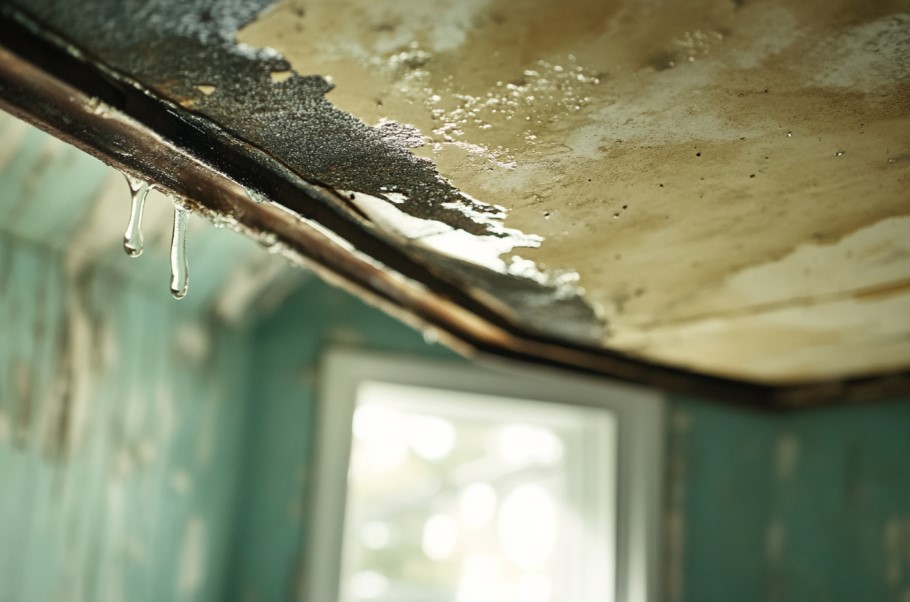
Mold, water stains, sagging insulation — those are all signs that water’s been there for a while. The closer to the ridge or valleys, the more likely it’s roofing-related.
Roofing Material-Specific Issues
- Shingles: Check under loose ones for moisture or missing underlayment
- Metal: Look for rust or open seams
- Flat roofs: Check for pooling or soft spots under the decking
You can try this yourself, but be careful. Attics aren’t great for walking tours.
4. No Attic? Here’s What to Look for Outside
We get it. Not everyone’s climbing on their roof. But a walkaround can still give you some clues.
Shingles and Flashing
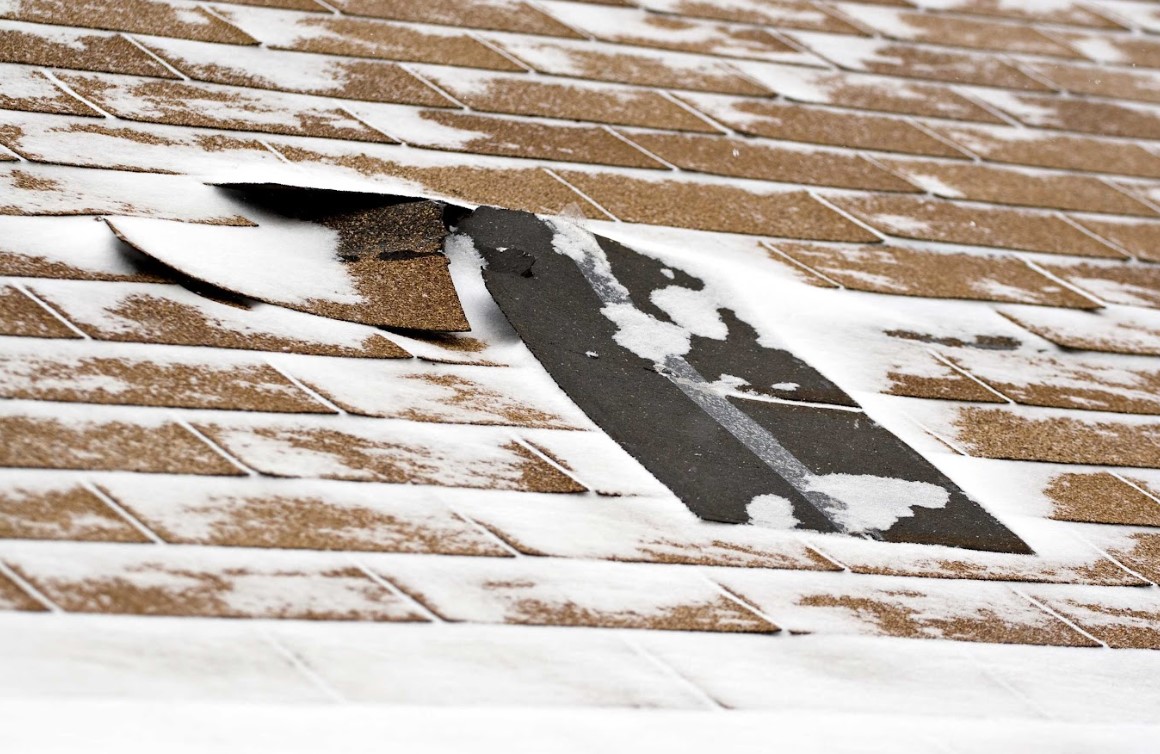
Cracked, missing, or curling shingles are red flags. So is exposed or rusted flashing, especially around chimneys, dormers, and skylights.
Vents and Penetrations
These are common leak points, especially if the sealant has aged out or flashing wasn’t installed correctly.
External Pressure
Heavy snow, tree branches, or ice dams can all open a roof up. If you’ve had a recent storm, look for damage near the edges, valleys, and gutters.
5. During Rain? That’s Prime Leak Hunting Time
If water’s actively coming in, take note of exactly where. Leaks don’t always travel straight down, but seeing where the drip shows up helps us track it later.
Map it out mentally based on your roofline. It’ll help your roofer focus faster.
6. How Professionals Actually Track Hidden Roof Leaks
This is the part where experience matters. Because we’ve seen hundreds of these, and they rarely behave how you’d expect.
What We Use for Roof Leak Detection:
- Thermal imaging to see temperature changes where moisture hides
- Moisture meters to measure dampness behind surfaces
- Drone inspections for steep or complex roofs
- Water tests in controlled sections (when it makes sense)
We’re not out here poking around with a guess. We find the problem, show you where it is, and explain your options.
7. Found the Leak? Here's What Happens Next
Can You Patch It? Sometimes
If it’s a small issue — say, a cracked pipe boot or missing shingle — you can often seal it or replace the piece. But that’s assuming the structure underneath is still solid.
When It’s Time for a Bigger Fix
If you’ve got rotten decking, moisture in the insulation, or multiple active leaks, it’s not a one-tube-of-sealant situation. At that point, we’ll talk real repair or partial replacement.
And no, we’re not going to push you into a new roof unless you truly need one. That’s not how we work.
Why Hidden Roof Leaks Are Common in Salt Lake City
Our weather here makes it easy for leaks to hide. Snow builds up, melts, and then refreezes. Wind gets under flashing. Gutters ice over. It’s not just the age of the roof — it’s what it’s been through.
Professional leak repair in this climate requires more than a ladder and a caulking gun. It takes understanding how roofs behave through all four seasons on the Wasatch Front.
What Happens If You Ignore a Hidden Leak
Short version: it gets worse. Here’s what we see when people wait too long:
- Mold inside attic insulation
- Rotted roof decking
- Ceiling collapse after one heavy rain
- Higher energy bills from wet insulation
- Voided warranties from neglected damage
Sometimes the damage isn’t visible until we start pulling things back. And then it’s a whole different conversation.
How Definitive Construction Handles It
We’ve been repairing hidden roof leaks around Salt Lake City since 2008. From South Jordan to Ogden, we’ve worked on just about every roof type out there.
What We Bring to the Table:
- GAF Master Elite and HAAG-certified inspectors
- Real documentation for insurance claims
- Drone and thermal inspections
- Work backed by Lifetime Workmanship Warranties
- Clear, straightforward communication without the drama
We’re not just your roofer. We’re your neighbor. Our team lives and works here, and we take this seriously because we know what’s on the line: your home, your comfort, and your budget.
Think you’ve got a hidden roof leak? Don’t wait until it turns into drywall damage. Schedule your free inspection or call us at (801) 252-5124.
We’ll take a look, walk you through what we find, and give you a plan that makes sense. No gimmicks. Just solid, honest work. Built to last.
Recent Articles
Residential Roofing
GAF vs. Owens Corning vs. CertainTeed: Which Shingle Brand Is Right for Your Utah Roof?
Comparing GAF, Owens Corning, and CertainTeed shingles for Utah homes, covering warranty terms, hail resistance, and pricing, from a GAF Master Elite and CertainTeed Select ShingleMaster contractor.
September 9, 2026
Residential Roofing
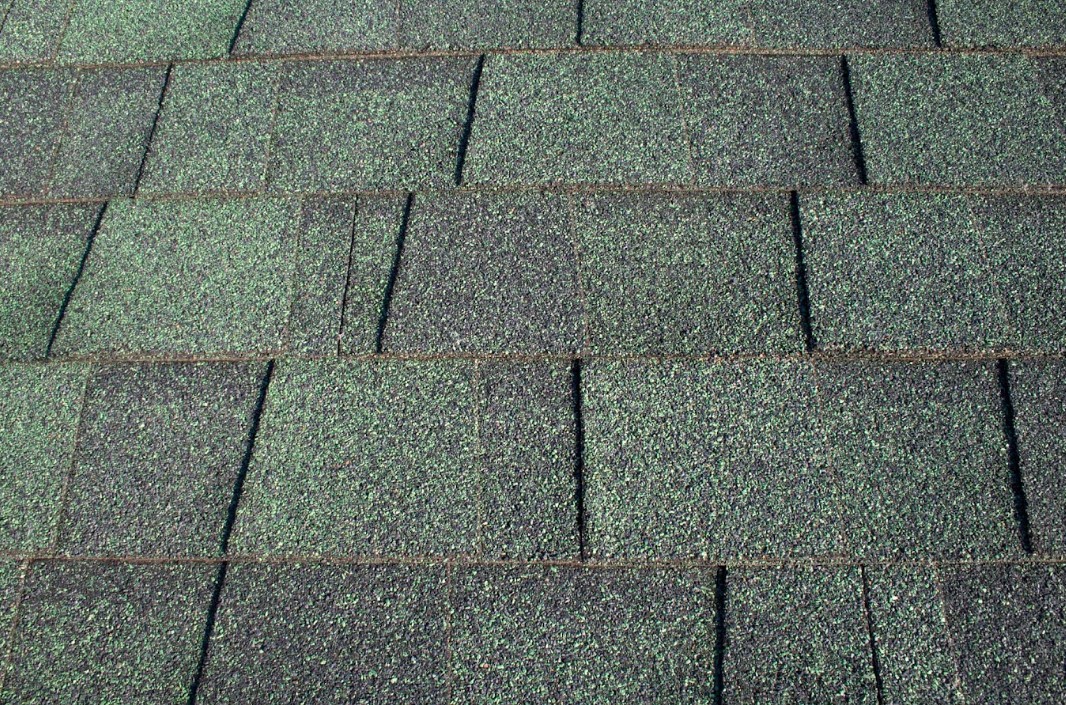
How to Tell If Your Roof Has Hail Damage After a Utah Summer Storm
Hail damage on a roof can appear as displaced shingle granules, bruised or fractured asphalt shingles, dents in gutters or vents, cracked roofing materials, damaged flashing, and new leaks after the storm.
August 5, 2026

Residential Roofing
How Long Does a Roof Really Last in South Jordan? A Material-by-Material Breakdown
An asphalt shingle roof in Utah usually lasts about 18 to 22 years. That range depends on material quality, ventilation, storm exposure, and installation. Different roofing materials age differently. Some are easy to repair.
July 1, 2026

Residential Roofing
Whole-Home Protection Plan: Coordinating Roof, Gutter, Siding, and Solar Maintenance
A whole-home protection plan is not about overcomplicating homeownership. It is about understanding how roofing, gutters, siding, solar systems, drainage pathways, and ventilation systems work together to protect the home year-round.
June 11, 2026