

When to Repair vs. Replace Siding: Cracks, Warping, and Hidden Moisture Damage in South Jordan
April 6, 2026
•
Written By
Definitive Construction
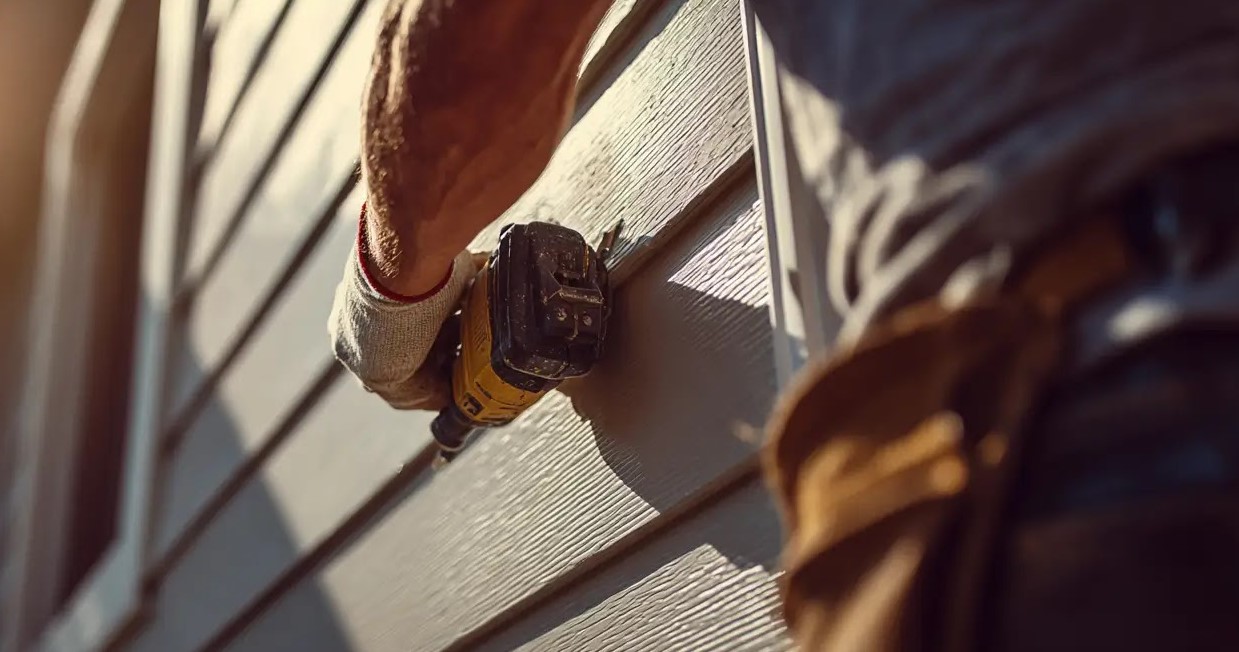
The most common siding repair signs in South Jordan include cracks, warping, loose panels, and moisture damage behind the siding. Small problems can often be repaired, but once damage spreads or moisture gets inside the wall, it usually makes more sense to replace damaged siding. Knowing when to repair vs replace siding early helps prevent structural damage and more expensive repairs later.
Around the Wasatch Front, siding problems usually show up after a rough winter or a windy spring. A homeowner notices a loose panel, a crack near the corner, or paint starting to bubble, and the question comes up right away. Are these normal siding repair signs, or is it time to replace damaged siding completely? In South Jordan, moisture damage siding problems are common after snow melt, hail, and freeze-thaw cycles, which makes the repair vs replace decision more important than it looks at first.
This guide walks through the most common siding repair signs, what causes moisture damage siding issues, and how to decide when it is better to repair the problem or replace damaged siding before the damage spreads.
In this guide we’ll cover:
- The most common siding repair signs homeowners miss
- How to tell when to repair vs replace siding
- How cracks, warping, and moisture damage siding problems develop
- Why Utah weather makes siding fail faster
- When an inspection helps confirm if you should replace damaged siding
If you are not sure what you are seeing, Definitive Construction can help. We look at siding, roofing, gutters, and the structure behind the siding so homeowners know whether a repair will hold up or if it is time to replace damaged siding.
Why Siding Damage Matters More in Utah Weather
Not every crack means siding needs to be replaced, but in Utah, small siding repair signs tend to turn into larger problems faster than people expect. Snow, sun, wind, and temperature swings all increase the chance of moisture damage siding, especially when cracks or warped panels are left alone.
When homeowners ask whether they should repair vs replace siding, the answer usually depends on how far the damage has spread and whether moisture has already gotten behind the panels.
Common siding repair signs include:
- Cracks in panels
- Warping or buckling
- Loose or missing siding
- Soft spots behind the wall
- Stains or bubbling paint
These signs often mean water has already started getting behind the siding. Once moisture damage siding begins, the repair vs replace decision changes quickly because the problem may reach the sheathing, insulation, or framing.
In South Jordan, building codes require proper moisture barriers and flashing. If siding damage exposes those layers, repairing a few panels may not be enough, and replacing damaged siding is often the safer long-term solution.
What to Know Before Deciding to Repair or Replace Siding
Before choosing between siding repair and full replacement, it helps to understand what affects the repair vs replace decision. The visible siding repair signs are only part of the picture.
Extent of the damage
Small cracks or isolated panels can usually be repaired.
Damage in multiple areas often means it is better to replace damaged siding.
Age of the siding
Older siding may not hold repairs well and can make matching panels difficult.
Insurance coverage
Storm damage sometimes allows homeowners to replace damaged siding instead of repairing it.
Type of siding installed
Vinyl, fiber cement, and engineered wood siding all show siding repair signs differently, which can affect whether repair will last. If you want a detailed comparison, read our guide on Siding Showdown: Vinyl, Fiber Cement, and Engineered Wood Compared in South Jordan, where we explain how each material holds up in local weather.
Condition behind the siding
If moisture damage siding has reached the wall behind the panels, repairs may not solve the problem, and replacement is usually the better option.
Looking at the full exterior helps determine whether siding can be repaired or if replacing damaged siding will prevent more serious repairs later.
Repair vs Replace Siding: Quick Decision Guide
In many South Jordan homes, siding repair signs start small but spread over time. When cracks, warping, or moisture damage siding problems appear in more than one area, replacing damaged siding usually prevents larger structural repairs later.
Repair vs Replace Siding: How to Tell the Difference
Small cracks and minor damage
Small cracks are one of the most common siding repair signs.
If damage is limited to one section, repair is usually enough.

If cracks show up in several places, the siding may be aging, and it may be smarter to replace damaged siding instead of continuing repairs.
Warping or buckling panels
Warping often means the siding expanded, shifted, or has moisture trapped behind it.
If only one area is affected, repair may work.
If warping appears in multiple spots, it usually points to moisture damage siding, which often means replacement is the better choice.
Hidden moisture damage
Moisture damage siding problems are one of the most common reasons repairs turn into full replacement.
Signs include:
- Bubbling paint
- Mold or mildew
- Soft sheathing
- Rot near windows or trim
Once water gets behind the siding, replacing damaged siding is usually the safest way to stop the damage from spreading.
Loose or missing siding
Windstorms in South Jordan can pull siding loose, especially on older homes.
Repair may work if fasteners failed.
Siding replacement may be needed if the siding is brittle or several sections are affected.
When siding repair signs show up in more than one area, replacing damaged siding is often the more reliable fix.
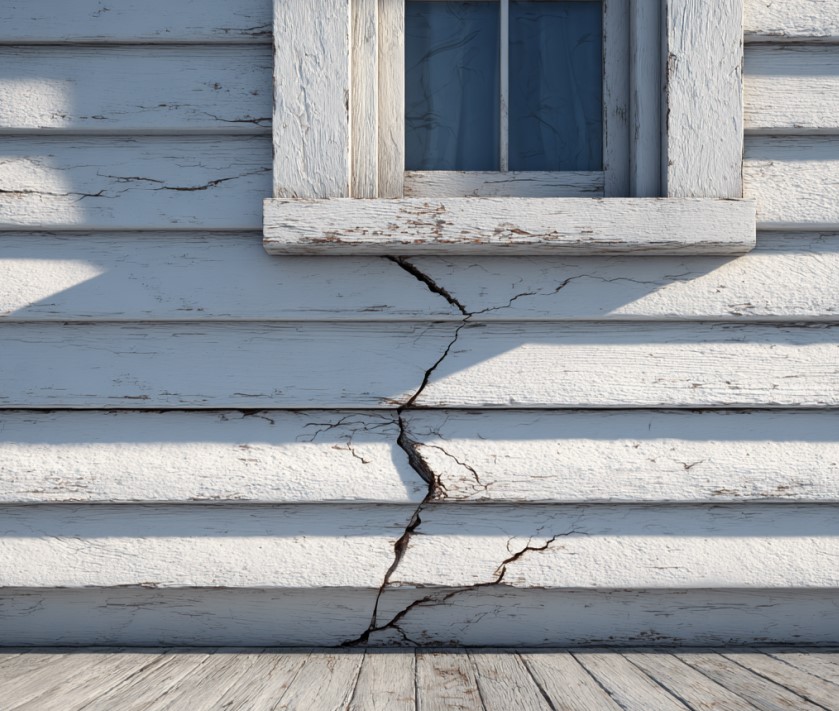
When repairs stop making sense
Sometimes siding can be repaired, but the repair will not last.
Replacing damaged siding usually makes more sense when:
- Damage appears in several areas
- Moisture damage siding has spread
- The siding is near the end of its lifespan
- Matching panels cannot be found
We see this often on older homes where siding repair signs keep coming back every year.
Cost of Repair vs Cost of Replacing Siding
Cost is one of the biggest reasons homeowners hesitate when they see siding repair signs.
Repairs cost less at first, but repeated repairs can add up quickly.
Replacement costs more upfront, but it often prevents ongoing moisture damage siding problems.
Cost depends on:
- Type of siding
- Size of the damaged area
- Moisture damage behind the wall
- Labor needed
- Insurance coverage
In South Jordan, storm damage claims sometimes make it possible to replace damaged siding instead of paying for multiple repairs.
How Siding Age Affects Repair vs Replacement
The age of the siding plays a big role when deciding whether to repair or replace damaged siding.
Typical lifespan:
- Vinyl siding — about 20–30 years
- Engineered wood siding — about 25–35 years
- Fiber cement siding — 30–50 years
When siding is close to the end of its life, repairs may only last a short time. In these cases, replacing damaged siding is usually the better long-term decision.
Older siding also makes matching repairs harder, which is another reason replacement is often recommended.
When to Have Siding Professionally Inspected
Some siding repair signs are easy to see, but moisture damage siding problems are often hidden.
An inspection makes sense when:
- Cracks keep appearing
- Warping spreads
- Paint bubbles
- Mold shows up
- Storm damage occurred
- Interior leaks appear
During an inspection, we check siding, flashing, gutters, and moisture barriers to decide whether repairs will hold or if it is safer to replace damaged siding.
Why Moisture Damage Often Means Replacement
Most repair vs replace siding decisions come down to moisture.
Water can get behind siding from:
- Missing flashing
- Poor installation
- Old sealant
- Ice buildup
- Storm damage
Once moisture damage siding spreads, repairing panels may not fix the problem. In many cases, replacing damaged siding is the only way to correct the issue and protect the structure.
Fixing the siding correctly means fixing what is behind it too.
Siding Repair vs Replacement Questions Homeowners Ask in South Jordan
When homeowners start noticing siding repair signs, the same questions usually come up about cracks, warping, and moisture damage siding problems. These are the questions we hear most often during inspections in South Jordan when someone is trying to decide whether to repair the siding or replace damaged siding completely.
How do I know if siding needs repair or replacement?
Siding needs repair when damage is small and limited, but replacement is better when siding repair signs appear in multiple areas. In many South Jordan homes, moisture damage siding or soft spots behind the panels means it is safer to replace damaged siding instead of patching it.
Can moisture damage be hidden behind siding?
Moisture damage siding can stay hidden behind panels for a long time before it becomes visible. Bubbling paint, mold, or soft walls are siding repair signs that usually mean water has already reached the sheathing and the siding may need to be replaced.
Is it cheaper to repair siding instead of replacing it?
Repairing siding is cheaper at first, but repeated siding repair signs can make repairs cost more over time. Many homeowners in South Jordan choose to replace damaged siding when the same problems keep coming back.
Does hail damage mean I need to replace siding?
Hail damage may require replacement if cracks, dents, or loose panels appear after a storm. In South Jordan, siding repair signs after hail often lead to insurance claims that allow homeowners to replace damaged siding instead of repairing it.
Can siding damage cause leaks inside the house?
Siding damage can cause leaks when moisture damage siding allows water to get behind the wall. Once water reaches the sheathing or insulation, replacing damaged siding is often needed to stop the problem from spreading.
Can new siding be installed over old siding?
New siding can sometimes be installed over old siding, but moisture damage siding must be fixed first. If siding repair signs show that water has gotten behind the panels, it is usually better to replace damaged siding before installing anything new.
How long should siding last in Utah weather?
Siding usually lasts 20 to 40 years depending on the material, but Utah weather can shorten that lifespan. In South Jordan, frequent siding repair signs like cracking or warping often mean the siding is near the end of its life and replacement makes more sense.
Repair or Replace Siding Before Damage Gets Worse
Siding repair signs rarely go away on their own. Cracks, warping, and moisture damage siding problems usually spread over time, especially in Utah weather. The key is knowing when repair is enough and when replacing damaged siding will prevent bigger problems later.
We have worked on homes across the Wasatch Front since 2008, and most repair vs replace siding decisions come down to the same things. How much damage there is, how old the siding is, and whether moisture damage siding has reached the structure.
If you want a straightforward opinion without pressure, we can take a look and explain whether repair will hold up or if it makes more sense to replace damaged siding.
Recent Articles
Residential Roofing
How Much Does a Roof Replacement Cost in Utah? (2026 Pricing Guide)
Roof replacement cost in Utah averages about $10,000 and ranges from roughly $7,800 to $25,300. Here is a 2026 breakdown of pricing by material and roof size, Salt Lake City permit requirements, and the smartest ways to pay for a new roof.
October 23, 2026
Residential Roofing
GAF vs. Owens Corning vs. CertainTeed: Which Shingle Brand Is Right for Your Utah Roof?
Comparing GAF, Owens Corning, and CertainTeed shingles for Utah homes, covering warranty terms, hail resistance, and pricing, from a GAF Master Elite and CertainTeed Select ShingleMaster contractor.
September 9, 2026
Residential Roofing
How to Tell If Your Roof Has Hail Damage After a Utah Summer Storm
Hail damage on a roof can appear as displaced shingle granules, bruised or fractured asphalt shingles, dents in gutters or vents, cracked roofing materials, damaged flashing, and new leaks after the storm.
August 5, 2026

Residential Roofing
How Long Does a Roof Really Last in South Jordan? A Material-by-Material Breakdown
An asphalt shingle roof in Utah usually lasts about 18 to 22 years. That range depends on material quality, ventilation, storm exposure, and installation. Different roofing materials age differently. Some are easy to repair.
July 1, 2026