

Gutter Styles Explained: K-Style vs Half-Round vs Box Gutters and Which One Fits Your Home in South Jordan
March 2, 2026
•
Written By
Definitive Construction
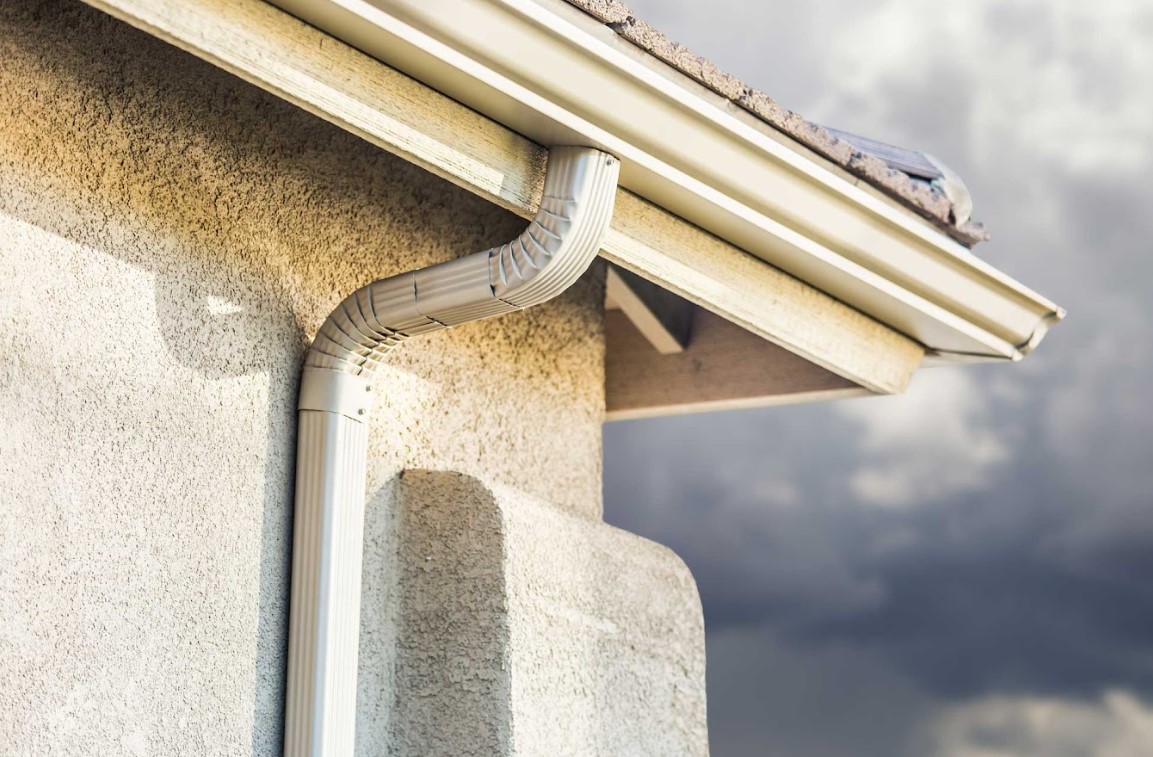
If you’re trying to decide which gutter style fits your home, here’s the practical answer. Most homes in South Jordan use K-style gutters because they offer strong water capacity at a reasonable cost. Half-round systems are typically chosen for architectural character. Box gutters are designed for larger rooflines and higher water volume. The right choice depends on roof size, snowmelt flow, and long-term performance.
Now let’s unpack that properly.
Each spring on the Wasatch Front, we see the same pattern. Snow melts quickly, runoff increases, and suddenly homeowners realize their current system may not be keeping up. That’s usually when the research starts and terms like gutter style comparison or K-style vs half-round begin showing up in search results.
If you’re sorting through residential gutter options in South Jordan, this guide is meant to give you clarity without the sales pitch.
What This Blog Will Teach You
- The real differences between K-style, half-round, and box gutters
- How Utah weather impacts each gutter style
- Capacity differences that determine which option fits your home
- Maintenance and material considerations
- When upgrading your gutters makes sense
If you want a straightforward evaluation after reading, Definitive Construction can help. We assess the entire drainage system so your decision is based on performance, not guesswork.
Why Gutter Style Matters More Than Most Homeowners Realize
Before comparing K-style vs half-round or exploring other residential gutter options, it helps to understand why the choice matters in our region.
Gutters are responsible for moving water safely away from your foundation. In South Jordan, that water includes:
- Heavy snow accumulation
- Rapid spring thaw
- Hail storms
- Wind-driven rain
During peak melt cycles, water volume increases fast. A system that performs adequately during mild weather may overflow when conditions shift. We’ve replaced many undersized gutters that technically “worked” most of the year but failed when runoff spiked.
That’s why a proper gutter style comparison isn’t just about looks. It’s about capacity and climate.
Preparing to Choose the Right Gutter Style
Once you understand why style matters, the next step is evaluating fit. Not every home requires the same solution.
Roof Size and Pitch
Steeper roofs shed water faster. Larger roof planes generate higher runoff volume. These factors directly influence whether a standard 5-inch system works or if upsizing is necessary.
Snowmelt Volume
Utah’s freeze-thaw cycles create sudden water flow. The right residential gutter option must handle peak runoff, not just average rainfall.
Architectural Design
Half-round systems often complement historic or custom homes. K-style fits most modern construction. Box gutters are typically integrated into larger or more complex rooflines.
Long-Term Plans
If your roof is approaching its typical 18 to 22 year lifespan in our area, replacing gutters at the same time may improve integration and long-term performance.
All of these considerations feed directly back into one question: which gutter style truly fits your home?
A Practical Gutter Style Comparison: K-Style vs Half-Round vs Box
With the groundwork covered, let’s compare the three primary options clearly and side by side.
K-Style Gutters: The Standard for Most Homes
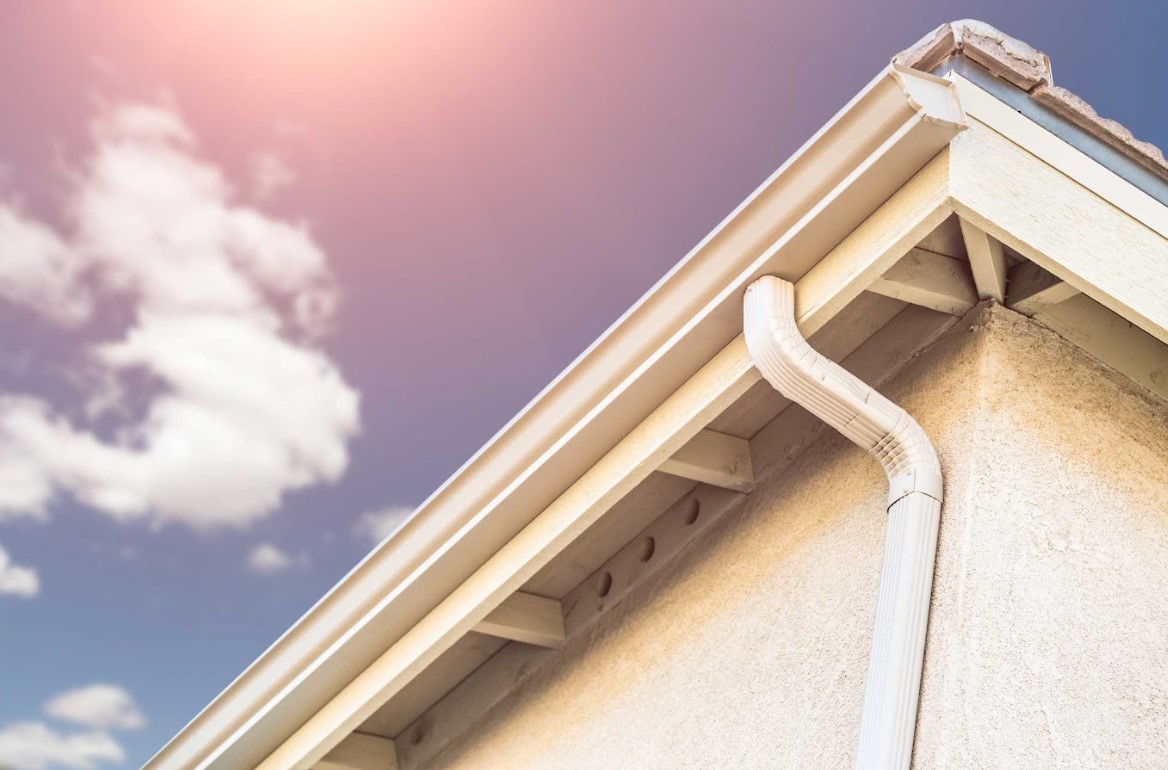
K-style gutters are the most common residential gutter option in South Jordan.
They feature a flat back and decorative front profile. More importantly, they offer strong water capacity. A 5-inch K-style system can handle roughly 5,500 to 6,000 square feet of runoff under typical conditions. A 6-inch version increases capacity significantly.
Why they work well:
- Strong performance during snowmelt
- Cost-effective installation
- Seamless aluminum reduces leak points
- Clean, finished appearance
Where they fall short:
- Interior corners can collect debris
- Not always ideal for historic architecture
For most modern homes, K-style strikes a practical balance between performance and price.
Half-Round Gutters: When Design Influences the Decision
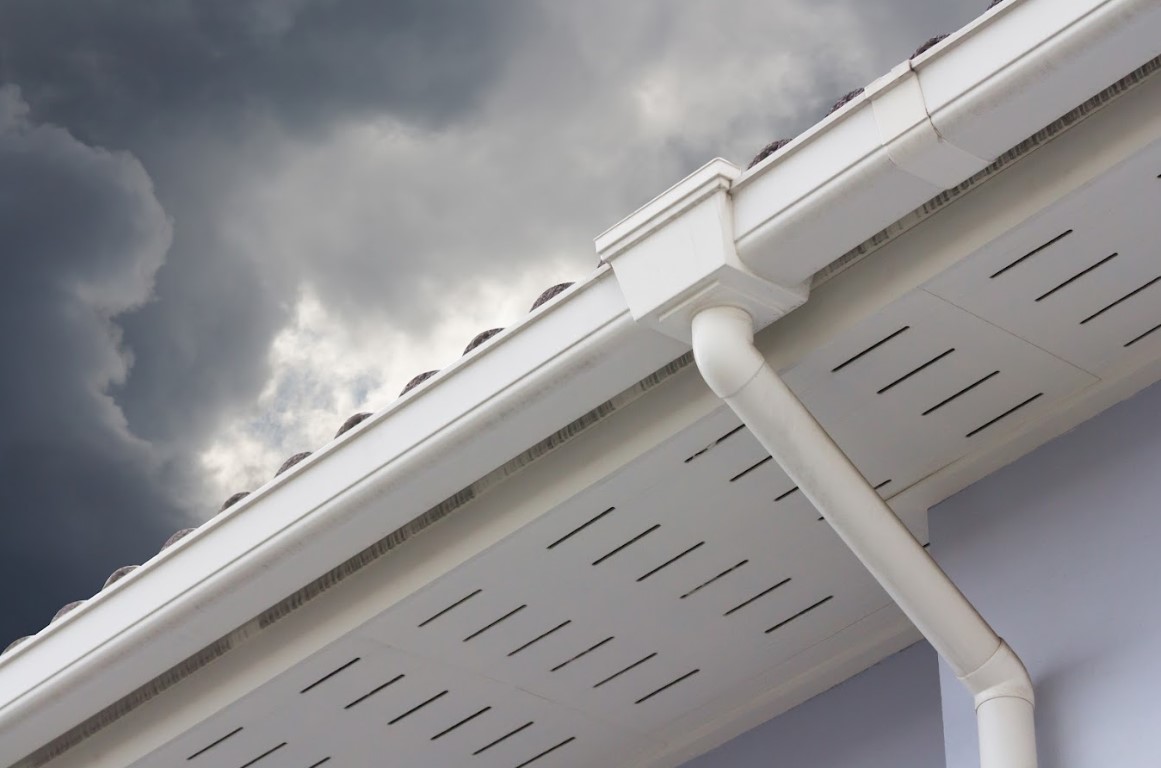
Half-round gutters offer a more traditional, rounded profile. They’re often chosen when architectural character is a priority.
Advantages:
- Smooth interior improves water flow
- Less internal debris buildup
- Pairs well with copper systems
Limitations:
- Lower capacity at equal width compared to K-style
- Higher installation cost
- Visible brackets
When comparing K-style vs half-round, the main difference comes down to capacity versus aesthetics. For homes with moderate runoff and architectural detail, half-round can be a strong fit.
Box Gutters: Built for High Water Volume
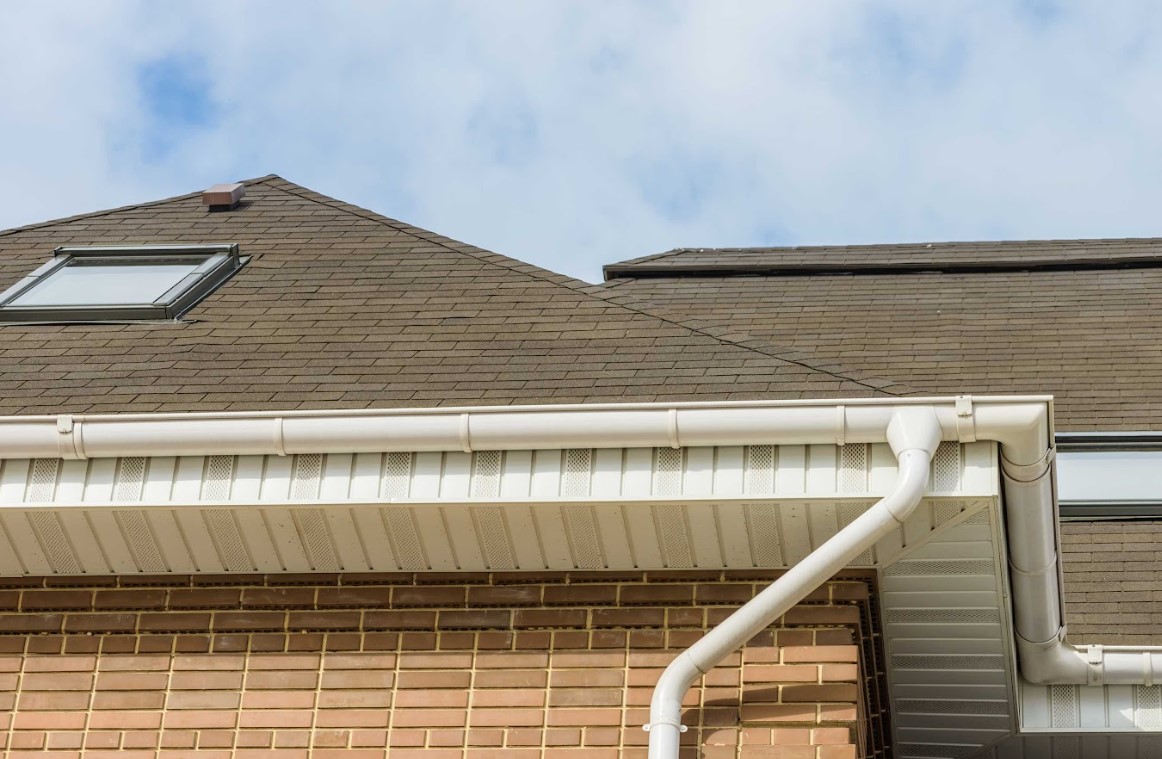
Box gutters are larger, rectangular systems often integrated into the roof edge.
They are designed to handle significant water volume and are common on commercial buildings and larger residential properties.
Strengths:
- Very high water capacity
- Clean architectural lines
- Effective during rapid snowmelt
Considerations:
- More complex installation
- Requires precise slope and planning
- Higher upfront investment
If runoff volume is substantial, box gutters may be the most appropriate residential gutter option, particularly on expansive rooflines.
Side-by-Side Comparison
This comparison highlights how each style performs rather than simply how it looks.
How Utah Weather Impacts Your Gutter Style Choice
No gutter style comparison is complete without considering climate.
Snow and Ice Dams
Ice forms at the gutter edge when melting snow refreezes. Higher-capacity systems help manage overflow during rapid melt cycles.
Hail Impact
Aluminum systems, whether K-style or half-round, can dent during severe hail. Material selection matters regardless of style.
Canyon Winds
Improperly secured gutters can loosen over time. Fastening method and bracket spacing are critical for long-term stability.
Since 2008, we’ve seen how each gutter style performs in real-world conditions across the Wasatch Front. The takeaway is consistent: capacity and installation precision matter more than profile alone.
Choosing the Right Gutter Style in South Jordan: Common Homeowner Questions
Now that we’ve walked through a full gutter style comparison, here are the questions we hear most often from homeowners trying to decide between K-style vs half-round and other residential gutter options in South Jordan.
What is the most common residential gutter option in South Jordan?
The most common residential gutter option in South Jordan is K-style. Homeowners choose it because it offers strong water capacity at a reasonable cost and performs well during heavy snowmelt. It fits most modern rooflines and balances performance with affordability.
Is 6-inch better than 5-inch when comparing K-style vs half-round?
Yes, 6-inch gutters are often better than 5-inch systems when water volume is high. Larger gutters handle more runoff, which matters during rapid spring thaw or on steeper roofs. When doing a K-style vs half-round comparison, capacity differences become especially important in Utah’s climate.
Do half-round gutters clog less than K-style gutters?
Yes, half-round gutters can clog less because they have a smoother interior. The rounded shape allows debris to move through more easily than the angled interior corners of K-style systems. However, proper maintenance still matters regardless of style.
Are box gutters only used on commercial buildings?
No, box gutters are not limited to commercial buildings. They are also installed on large residential rooflines where higher water capacity is required. In a gutter style comparison, box systems stand out for volume handling rather than appearance alone.
Should I replace my gutters when replacing my roof?
Yes, replacing gutters during roof replacement often makes sense. Coordinating both systems improves integration, prevents future labor duplication, and ensures the selected gutter style fits the updated roof structure. It’s usually the most efficient long-term approach.
How do I know if my current gutters are undersized?
You know your gutters are undersized if they overflow during heavy rain or snowmelt. Water spilling over the edge is a clear sign the system cannot manage peak runoff volume. In many cases, upgrading to a larger K-style or box system solves the issue.
How often should gutters be inspected in South Jordan?
Gutters in South Jordan should be inspected at least once per year. Annual inspections help identify storm damage, loose fasteners, or capacity concerns before they turn into structural issues. After major hail or wind events, an additional inspection is smart.
Final Thoughts
When you strip away the terminology, choosing between K-style vs half-round vs box gutters comes down to matching capacity and structure to your home’s specific needs.
A clear gutter style comparison helps you avoid installing a system that looks fine but underperforms when weather conditions peak.
We’ve served homeowners in South Jordan and across the Wasatch Front since 2008. We’ve seen which residential gutter options hold up and which ones don’t. Our job is simple: give you a clear assessment and install a system that works the way it should.
If you’re unsure which gutter style fits your home, schedule your free inspection. We’ll walk you through the options without pressure and help you choose what makes practical sense.
Recent Articles
Residential Roofing
How Much Does a Roof Replacement Cost in Utah? (2026 Pricing Guide)
Roof replacement cost in Utah averages about $10,000 and ranges from roughly $7,800 to $25,300. Here is a 2026 breakdown of pricing by material and roof size, Salt Lake City permit requirements, and the smartest ways to pay for a new roof.
October 23, 2026
Residential Roofing
GAF vs. Owens Corning vs. CertainTeed: Which Shingle Brand Is Right for Your Utah Roof?
Comparing GAF, Owens Corning, and CertainTeed shingles for Utah homes, covering warranty terms, hail resistance, and pricing, from a GAF Master Elite and CertainTeed Select ShingleMaster contractor.
September 9, 2026
Residential Roofing
How to Tell If Your Roof Has Hail Damage After a Utah Summer Storm
Hail damage on a roof can appear as displaced shingle granules, bruised or fractured asphalt shingles, dents in gutters or vents, cracked roofing materials, damaged flashing, and new leaks after the storm.
August 5, 2026

Residential Roofing
How Long Does a Roof Really Last in South Jordan? A Material-by-Material Breakdown
An asphalt shingle roof in Utah usually lasts about 18 to 22 years. That range depends on material quality, ventilation, storm exposure, and installation. Different roofing materials age differently. Some are easy to repair.
July 1, 2026